Choosing multifocal lenses is about more than seeing clearly at different distances. A well-fitted pair can help you shift from a road sign to a dashboard, then to a phone, without changing glasses. Freeform multifocal lenses are digitally surfaced using precise calculations. Depending on the design, those calculations can account for your prescription, frame shape, and fitting measurements. The aim is to position distance, intermediate, and near viewing areas for your needs. Small details matter.
The term “Lente Multifocal Freeform” may appear when comparing lens options, but the label alone cannot tell you whether a design suits your daily routine. Someone who spends hours at a computer may need different intermediate vision than someone who mainly reads or drives. An optometrist or qualified dispensing professional can review your prescription, measurements, frame choice, and typical tasks before recommending a lens. Fit is personal.
There can be an adjustment period. Some wearers adapt quickly; others need time to learn where to look through each area. Peripheral blur or a restricted feeling can occur with some designs, so expectations should stay realistic. More customization does not guarantee perfect vision or instant comfort. Frame position, accurate measurements, and regular follow-up all count. Even then, the first choice may not feel ideal. That is worth discussing, not simply putting up with.
Freeform multifocal lenses are progressive lenses made using digital calculations to shape their viewing zones. These zones blend distance, intermediate, and near vision without visible dividing lines. The design can account for your prescription and fitting measurements, such as pupil distance and how the frame sits on your face. That helps place useful viewing areas where you need them. It does not mean every wearer will see perfectly right away.
Tips: Share your daily habits with an eye-care professional. Reading on a phone, working at a monitor, and driving call for different viewing distances. Bring the frame you plan to wear for accurate measurements.
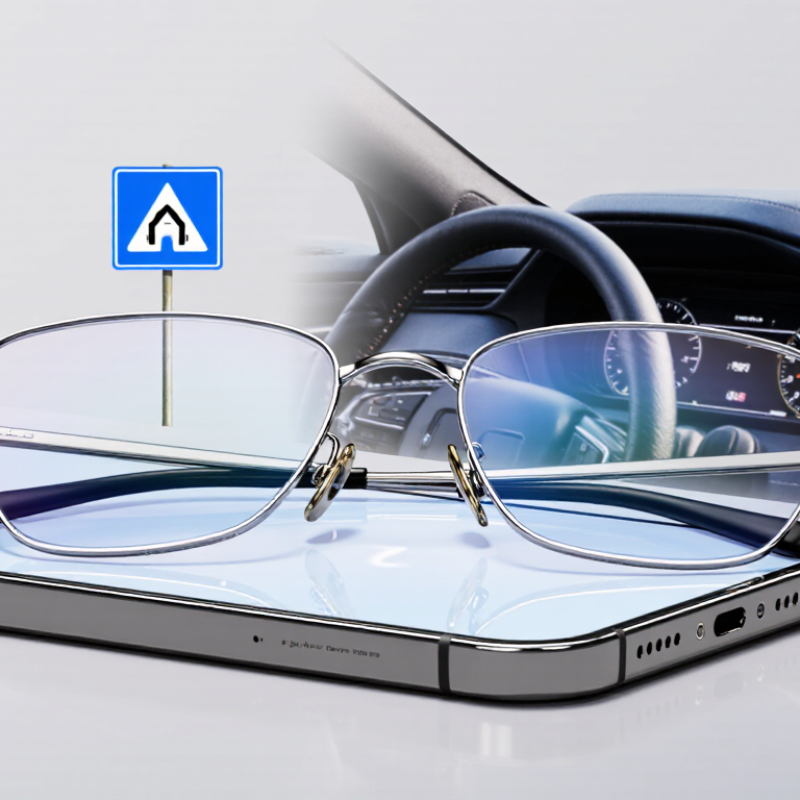
A well-fitted pair can make moving between a road sign, dashboard, and book feel more natural. Still, the edges may look distorted, and some people need time to adjust. Even with careful measurements, the first pair may not feel perfect on day one. That is worth admitting. If blur or discomfort persists, ask your eye-care professional to check the fit and prescription rather than trying to force an adjustment.

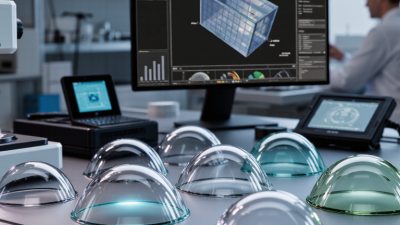
Freeform multifocal lenses are made by calculating the lens surface point by point, rather than relying only on a fixed set of moulded curves. The design uses a prescription and fitting measurements, such as how the frame sits and where each pupil aligns. Small details matter. The lens laboratory turns those calculations into instructions for a digital surfacing machine, which removes material from the lens blank to create the planned optical curves. Depending on the lens design, the multifocal progression may be formed on the back surface, the front surface, or both.
After surfacing, the lenses are polished, coated when specified, and checked against the prescription and design data. A technician may inspect lens power and alignment with measuring instruments, then verify that the finished lenses fit the frame. The aim is to place distance, intermediate, and near viewing areas where the wearer can use them naturally. The process is precise, but not magical. A small measurement or fitting error can affect comfort, and adaptation varies from person to person. Clear measurements and careful fitting give the design a better chance of working as intended.
Freeform multifocals differ from conventional progressive lenses in how their optical surfaces are calculated and made. Conventional designs often use a more standardized progression, with prescription power incorporated during lens surfacing. Freeform production uses computer-controlled surfacing to shape a lens around the prescription and fitting measurements. These may include monocular pupillary distance, fitting height, vertex distance, and frame tilt. Details vary by design.
The need is substantial. A peer-reviewed global model estimated that 1.8 billion people had presbyopia in 2015. It estimated that 826 million had near-vision impairment from uncorrected presbyopia (Fricke et al., Ophthalmology, 2018). That estimate describes need, not freeform performance. Individualized calculations may shift unwanted astigmatism away from useful viewing zones for some wearers. But adaptation can still take time.
Fit still matters. Inaccurate measurements or a poorly adjusted frame can undermine the result. Freeform is a manufacturing method, not a guarantee of sharper vision; conventional lenses can also work well when carefully selected and fitted. Ask which measurements informed the design, then check reading, screen distance, and stair edges during wear. The caveat is easy to miss: personalized geometry helps only when the fitting data are accurate.
| Comparison point | Freeform multifocal lenses | Conventional multifocal designs |
|---|---|---|
| How the lens is made | A computer-controlled surfacing process shapes the lens surface with many small, precisely calculated changes. | The design is produced using established manufacturing methods; the exact process varies by lens type and manufacturer. |
| Design flexibility | The surface can be calculated to support a range of design and fitting parameters, depending on the lens and available measurements. | Design parameters may be more standardized, although conventional designs are available in many variations. |
| Prescription and frame factors | Some designs can account for factors such as prescription, fitting position, frame shape, and how the lens sits in front of the eyes. | The design may use standard assumptions for some fitting factors; the level of individual adjustment depends on the product. |
| Vision zones | Like other progressive lenses, these provide a gradual change in power for distance, intermediate, and near vision. Zone layout varies by design. | Progressive designs also provide a gradual change in power; the placement and width of usable zones vary among designs. |
| Peripheral blur | Unwanted astigmatism and peripheral blur are inherent trade-offs in progressive lens designs. Freeform calculations may redistribute these effects, but do not eliminate them. | Peripheral blur is also present in conventional progressive designs. Its location and extent depend on the design and prescription. |
| Personalization | Some options offer more individualized calculations when accurate measurements and suitable design choices are available. | Personalization may be more limited in some options, but varies; the term “conventional” does not describe one single design. |
| Adaptation and fitting | Correct measurements, frame adjustment, and wear position matter. Some wearers still need time to adapt to progressive vision. | Accurate fitting is also important, and adaptation time can vary from person to person. |
| Best way to choose | Consider it when a practitioner recommends a design suited to your prescription, frame, measurements, and daily visual tasks. | A conventional design may also be suitable. Compare the specific lens options and fitting recommendations rather than relying on the category name alone. |
Note: “Freeform” describes a digital lens-surfacing approach, not a single optical design. Results depend on the specific lens design, prescription, measurements, frame fit, and wearer.
Freeform multifocal lenses are made with digitally controlled surfacing, allowing lens power to be shaped more precisely for an individual prescription. In progressive designs, this may support a smoother transition between distance, intermediate, and near vision. A wearer can look across a room, check a dashboard, then read a phone without changing glasses. That matters. The result depends on more than the lens design: prescription accuracy, frame position, and measurements such as pupil distance all affect performance.
The practical limits are easy to overlook. Freeform does not mean distortion-free, and some peripheral blur can remain, especially when looking through the sides of progressive lenses. Fit still rules. A frame that slips down can shift the useful viewing zones, while a poorly chosen frame may leave too little space for comfortable reading. New wearers may need days or weeks to adapt, and head movement can feel awkward at first. The word “customized” can also suggest guaranteed comfort, which it does not provide. More detailed measurements may improve the match, but they cannot remove every visual trade-off. Ask an eye-care professional how the design suits your prescription, daily tasks, and chosen frame; the best option is not always the most complex one.
Freeform multifocal lenses may benefit people who need different prescriptions for distance, computer work, and reading. Their surfaces are shaped using prescription measurements and individual fitting details. This can help create smoother transitions between viewing zones, though results vary. Someone moving between a road, a dashboard, and a phone may value one pair of glasses. Not everyone adapts quickly.
Before choosing, discuss your daily habits and prescription with an eye-care professional. Mention how many hours you spend at a screen and whether you drive at night. Accurate measurements, including how the frames sit on your face, matter. Peripheral areas may still look distorted, and stairs can feel unusual at first. Give them time. If discomfort or blur persists, return for a fit and prescription check rather than assuming you must simply endure it. Dry eyes or changing vision can also affect comfort. Ask about expected adjustment, lens care, and whether another lens design better matches your routine. A more customized lens is not automatically the right lens.
Typical viewing distances for everyday tasks
Multifocal lenses are designed to support vision at more than one distance, which may suit people who regularly switch between near, intermediate, and far tasks. Distances shown are illustrative and vary by person; lens design, prescription, fitting, and adaptation all matter. An eye-care professional can help determine whether they are a suitable choice.