Top 10 Spectacle Lens Rx Options for Global Buyers?
In today's competitive global market, choosing the right spectacle lens Rx is essential for vision care. Many factors contribute to this decision. Buyers often consider comfort, durability, and lens type to meet their specific needs. The diversity of options can be overwhelming.
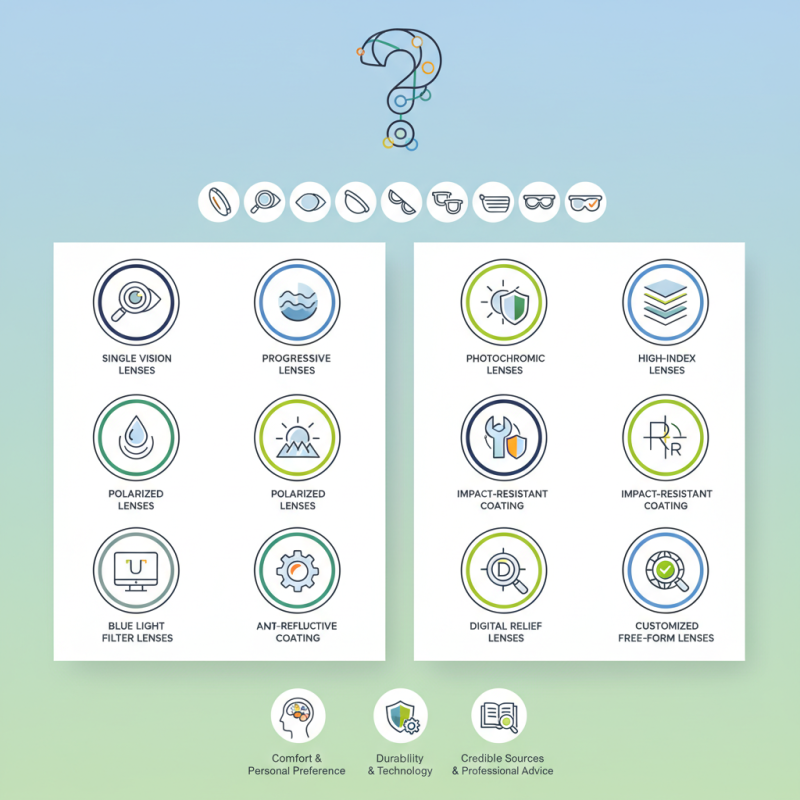
With advancements in technology, spectacle lens Rx choices have rapidly expanded. From single vision to progressive lenses, each type offers unique advantages. Understanding these differences can empower consumers to make informed decisions. Consumers may sometimes overlook their personal preferences, leading to dissatisfaction later.
A potential challenge lies in the varying quality across brands. Some options may appear appealing but fail in practice. It's crucial to rely on credible sources and professional advice. Buyers should reflect on their experiences and seek trustworthy information when selecting their spectacle lens Rx.
Top 10 Prescription Lens Types for Spectacles in Global Markets
When seeking the ideal prescription lenses for spectacles, buyers encounter numerous options. The global spectacle lens market has experienced significant growth. Reports indicate that the market is projected to reach $23 billion by 2027. Different types of lenses cater to diverse needs, enhancing vision quality, comfort, and style.
Single vision lenses remain the most common choice. They are straightforward and provide clear vision for one specific distance. Bifocal lenses, on the other hand, are tailored for those requiring help with both near and distance vision. However, transitioning between these two zones may present challenges for some wearers. Progressive lenses are gaining popularity due to their seamless shift for distance, intermediate, and near vision. Yet, they can be pricier and require an adjustment period.
Photochromic lenses also continue to rise in demand. These lenses darken in sunlight, providing UV protection. While they offer convenience, some consumers find their transition time slow. Moreover, high-index lenses offer a thinner option for strong prescriptions, appealing to many. However, they may not always be the first choice due to their cost, which can lead to hesitation among potential buyers. Making the right choice involves understanding personal needs and preferences.
Factors Influencing Lens Choice for International Buyers
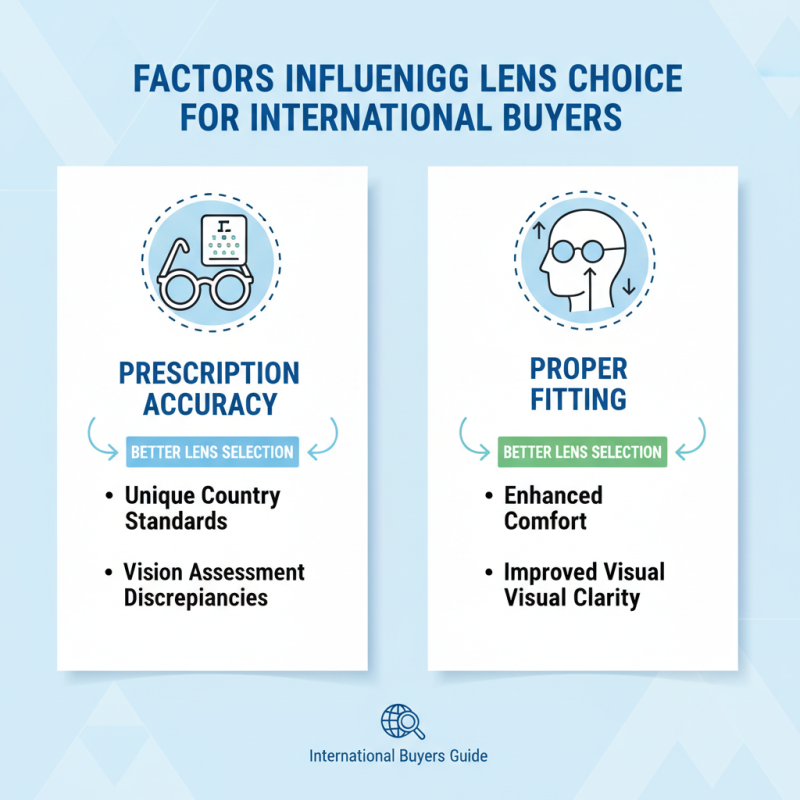
When selecting spectacle lenses, international buyers face various influencing factors. Prescription accuracy is paramount. Different countries have unique standards for vision assessment. Understanding these discrepancies can lead to better lens selection. Proper fitting is another crucial aspect. A lens that fits well can enhance comfort and visual clarity.
Material choices also play a significant role. Options vary from high-index plastics to polycarbonate. Each material offers distinct advantages, such as weight and lens thickness. However, not all materials may suit everyone’s needs. Some buyers might find certain types too heavy or prone to scratching.
Environmental factors can’t be overlooked either. UV protection may be critical in sun-rich regions. Conversely, glare reduction is essential in snowy environments. Lifestyle considerations should guide the decision-making process. For instance, active individuals might prioritize durability. Reflecting on personal habits helps in making informed choices. Recognizing these factors leads to a more satisfactory lens purchase.
Comparative Analysis of Lens Materials and Coatings
Choosing spectacle lenses is not just about vision correction. The materials and coatings play crucial roles in comfort and durability. Different lens materials offer unique benefits. Polycarbonate is lightweight and impact-resistant, making it ideal for active lifestyles. High-index lenses provide a thinner profile, important for strong prescriptions.
Coatings significantly enhance user experience. Anti-reflective coatings reduce glare, improving vision clarity. Blue light filtering coatings can protect eyes from digital strain. However, these coatings might require special cleaning techniques. Improper care can lead to scratches or fading.
Many buyers overlook the importance of lens customization. A one-size-fits-all approach does not always work. Each wearer's needs differ, influenced by lifestyle and preferences. Some may benefit from photochromic lenses, which adjust to lighting changes. Others may find polarized lenses crucial for outdoor activities. Understanding these nuances can lead to better choices.
Top 10 Spectacle Lens Rx Options for Global Buyers - Comparative Analysis of Lens Materials and Coatings
| Lens Material |
Index |
Weight |
Impact Resistance |
UV Protection |
Coating Options |
| CR-39 |
1.50 |
Lightweight |
Low |
Yes |
Anti-reflective, Scratch-resistant |
| Polycarbonate |
1.58 |
Lightweight |
High |
Yes |
Anti-reflective, Scratch-resistant, Blue light filtering |
| High-Index Plastic |
1.67 |
Medium |
Medium |
Yes |
Anti-reflective, Scratch-resistant, Photochromic |
| Trivex |
1.53 |
Lightweight |
High |
Yes |
Anti-reflective, Scratch-resistant |
| Glass |
1.50 |
Heavy |
Medium |
Yes |
Anti-reflective, Scratch-resistant |
| High-Index Glass |
1.60+ |
Medium |
Medium |
Yes |
Anti-reflective, Scratch-resistant, Photochromic |
| Bifocal Lenses |
Variable |
Variable |
Depends on material |
Depending on choice |
Varied options |
| Progressive Lenses |
Variable |
Variable |
Depends on material |
Depending on choice |
Varied options |
| Photochromic Lenses |
1.50+ |
Variable |
High |
Yes |
Anti-reflective, Scratch-resistant |
| Blue Light Blocking Lenses |
Variable |
Variable |
Depends on material |
Yes |
Anti-reflective, Scratch-resistant |
Trends in Prescription Lens Technology Across Different Regions
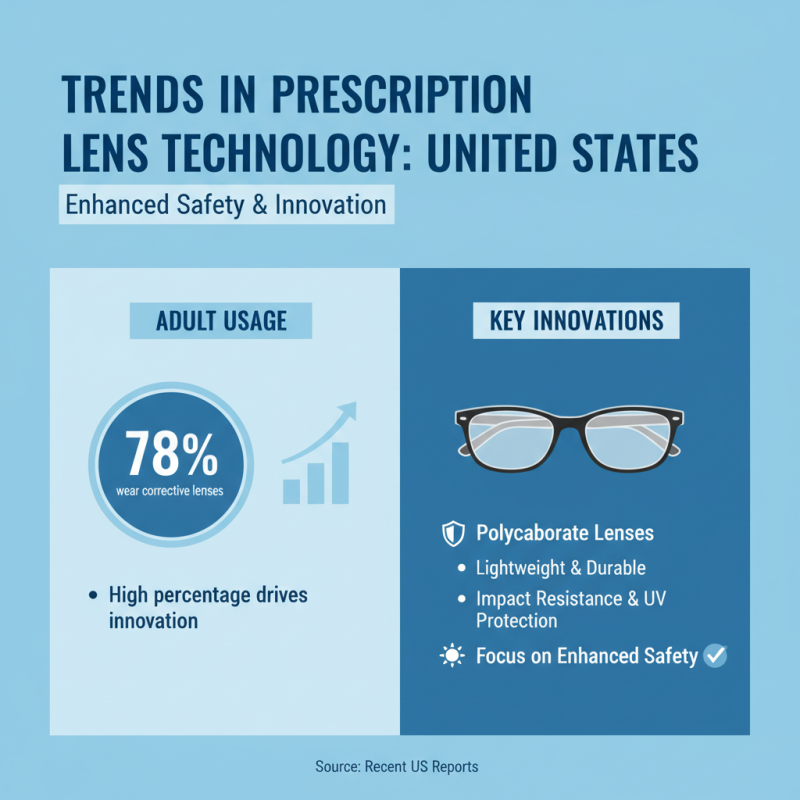
The landscape of prescription lens technology is rapidly evolving across regions. In the United States, recent reports indicate that approximately 78% of adults wear corrective lenses. This high percentage drives significant innovation in lens materials and coatings. For example, the demand for lightweight and durable polycarbonate lenses is on the rise. Such lenses are popular for their impact resistance and UV protection, reflecting a broader trend towards enhanced safety in eyewear.
In Europe, trends point to an increasing interest in blue light filtering technology. Studies suggest that over 60% of the population experiences digital eye strain. As a response, new lens options now include coatings specifically designed to reduce blue light exposure. This technology resonates especially well with younger consumers who spend extended hours on screens. However, there are still concerns regarding the actual effectiveness of these filters, leading to ongoing discussions within the industry.
Asia presents a different scenario. Here, there is a growing focus on customization. Many consumers seek tailored lens designs that address specific vision problems. Adaptive lenses have gained traction, promising flexibility in various lighting conditions. Yet, some users report dissatisfaction with high costs or insufficient clarity in certain situations. Despite these challenges, these prescription lens advancements reflect a commitment to improving visual comfort and meeting diverse needs globally.
Customer Preferences and Feedback on Spectacle Lens Options
When considering spectacle lens options, customer feedback plays a crucial role in understanding preferences. Many users report varying experiences based on their specific needs. Comfort, clarity, and durability are often top priorities. For instance, some customers express a strong preference for lightweight materials, while others seek enhanced scratch resistance. This diversity indicates that not all lenses serve the same purpose for every individual.
Reviews reveal practical insights about lens coatings, such as anti-reflective and blue light blocking features. Users appreciate how these coatings improve daytime and nighttime vision. However, not every customer is satisfied. Some report that certain coatings wear off over time, leading to frustration. Price sensitivity also influences choices. Many buyers find themselves balancing quality with affordability, reflecting broader consumer trends.
Feedback on polarization is noteworthy too. Many users find polarized lenses beneficial, particularly for outdoor activities. Yet, some individuals have expressed discomfort during extended use. Overall, customer experiences highlight that there’s no one-size-fits-all solution. Lens options must cater to the diverse needs of global buyers. Exploring these preferences can lead to enhanced offerings in the future. Balancing customer insights with innovation is essential for shaping the next generation of spectacle lenses.
Top 10 Spectacle Lens Rx Options for Global Buyers