What is Spectacle Lens Rx and How to Choose the Right One?
Choosing the right Spectacle Lens Rx can significantly impact your vision and comfort. Renowned optometrist Dr. Emily Hartman points out, "A tailored Spectacle Lens Rx is crucial for optimal eye health." Understanding your prescription type and lens options is essential for anyone seeking clarity.
Many factors influence the selection process. Your lifestyle, eye condition, and specific visual needs play vital roles. For instance, digital device users may require special coatings. Moreover, people often overlook how their daily activities affect their lens choice.
Navigating this landscape can be challenging. Eye care is not one-size-fits-all. Each individual’s requirements are unique. The goal is to find the perfect balance between functionality and comfort in your Spectacle Lens Rx. Remember, your vision is invaluable; investing time in understanding your options is worthwhile.
Understanding Spectacle Lens Prescription Terminology
Understanding spectacle lens prescription terminology is essential for anyone looking to purchase glasses. When you get your prescription, you'll notice specific terms and numbers. The most common terms include sphere (SPH), cylinder (CYL), and axis. The sphere indicates if you are nearsighted or farsighted, while the cylinder measures astigmatism. The axis tells you the orientation of that astigmatism.
It’s crucial to pay attention to your specific needs. Not all lenses work the same for everyone. For instance, if you spend significant time on screens, consider blue light filtering technology. This can reduce eye strain. Another aspect is the lens index. Higher indices provide thinner lenses. These are often preferable for strong prescriptions. Always consult with an eye care professional for personalized advice.
Tips for selecting spectacle lenses: Look for anti-reflective coatings. They enhance clarity, especially at night. Experiment with different frame styles too. Some may not suit your prescription well. If you are uncertain, request a trial period to test comfort. Remember, your eyes deserve the best care and attention.
Factors Influencing Your Spectacle Lens Prescription Choice
Choosing the right spectacle lens prescription is crucial for optimal vision. Several factors influence your decision, including your visual needs, lifestyle, and eye health. Understanding these elements can help guide your selection process.
One key factor is your daily activities. For people who spend hours in front of screens, blue light filtering lenses may be beneficial. Research indicates that around 70% of adults experience digital eye strain. Then there's the prescription itself. It dictates the lens type required, whether single vision, bifocal, or progressive. According to a report by the American Optometric Association, nearly 50% of adults over 40 need reading glasses.
Your age also plays a vital role. Younger individuals might favor lightweight options, while older adults may prioritize comfort and durability. Furthermore, personal preferences can complicate the decision. Some might prefer thinner lenses for aesthetics, while others may prioritize scratch resistance. Reflect on how these factors apply to your situation. A tailored approach can enhance your overall visual experience.
Types of Spectacle Lenses and Their Appropriate Uses
Choosing the right spectacle lenses is crucial. Different types serve various needs. Understanding these can enhance visual comfort and clarity.
Single vision lenses are for one field of vision. They are ideal for those needing help with distance or near vision. A significant 80% of lens prescriptions are for single vision, according to industry studies. Bifocal lenses cater to those requiring both near and distance correction. The visible line differentiates the two zones, which some users find distracting.
Progressive lenses, on the other hand, offer seamless transition without lines. They are popular for their aesthetic appeal. However, they may take time to adjust to. Research suggests that around 15% of new progressive lens users report initial discomfort.
Tip: Ensure your frame choice complements your lens type. Heavy frames can distort lens effectiveness.
Dedicated lens coatings, like anti-reflective and blue light blocking, can enhance visual experiences. They reduce glare and filter harmful light. Assessing your daily activities is essential to determine the best options.
Tip: Regular eye exams can help fine-tune your prescription. A small adjustment can make a significant difference.
How to Consult an Eye Care Professional for Lens Selection
Choosing the right spectacle lens requires a thoughtful consultation with an eye care professional. A qualified optometrist can offer personalized advice based on your specific vision needs. They typically start by assessing your eye health and vision acuity. This is crucial; your prescription is the foundation for selecting the best lens type.
During the appointment, communicate your lifestyle. Do you read a lot? Or do you spend time on digital devices? Explain any challenges you face with your current lenses. This feedback helps the eye care professional recommend options tailored to your daily activities. Sometimes, it feels uncomfortable discussing these aspects, but your input is vital for a successful outcome.
Ask questions during the consultation. Understand the differences between lens materials and coatings. You might discover that anti-reflective coatings are beneficial for night driving. Don't hesitate to seek clarification if something is unclear. This dialogue builds trust and ensures you leave with the right lenses for your vision. Each step matters in this selection process.
What is Spectacle Lens Rx and How to Choose the Right One?
| Lens Type |
Prescription Type |
Recommended For |
Key Features |
Consultation Tips |
| Single Vision |
Standard |
General vision correction |
Simplified, easy to adapt |
Discuss your daily activities and visual needs |
| Bifocal |
Standard / Moderate |
Presbyopia patients |
Two prescriptions in one lens |
Explain your near and far vision needs |
| Progressive |
Advanced |
Users with multi-distance vision |
Seamless transition between distances |
Communicate lifestyle and vision changes |
| Photochromic |
Standard |
Outdoor users |
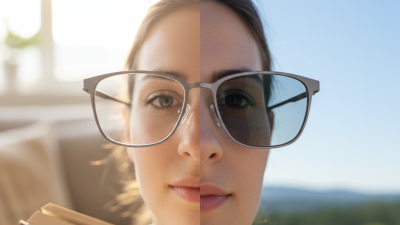
Darken in sunlight, clear indoors |
Discuss light sensitivity and outdoor habits |
| Anti-Reflective |
Optional |
Tech users & night driving |
Reduces glare, improves vision comfort |
Ask about screen use and night visibility needs |
Tips for Maintaining Your Spectacle Lenses for Longevity
Maintaining your spectacle lenses is crucial for their longevity and optimal performance. Dust and dirt can easily accumulate on them, leading to scratches. These affect both vision and aesthetics. Regular cleaning with a microfiber cloth helps avoid this. It’s simple, yet many overlook this step.
Consider using a gentle lens cleaner. Harsh chemicals can degrade the lens coatings. Apply the cleaner on your cloth, not directly on the lenses. Wipe in circular motions to cover every part without applying too much pressure. This also reduces the chance of fingerprints remaining on the surface.
Store your spectacles in a case when not in use. Leaving them exposed increases the risk of damage. Remember, even the best lenses need care. Look out for signs of wear, such as scratching or fogging. It's important to replace them if they become ineffective. Regular maintenance can prolong the life of your lenses significantly.