Top Spectacle Lenses Buying Guide for Global Shoppers?
Navigating the world of spectacle lenses can be overwhelming for global shoppers. Whether you need corrective lenses or just want a stylish pair of glasses, making the right choice is crucial. Spectacle lenses have a direct impact on your vision and comfort. Different styles, materials, and coatings can affect performance and durability.
As you explore your options, consider your specific needs. Some lenses may suit one lifestyle better than another. Factors like prescription strength and lifestyle should guide your purchase. Quality matters, and not all lenses are created equal. While price can be a decisive factor, investing in reputable brands can enhance your experience.
Be aware that some information out there can be misleading. Take time to research and verify sources. Speak with eye care professionals to gain insights tailored to your situation. Trustworthy advice can make a significant difference. Remember, the right spectacle lenses can not only improve your vision but also boost your confidence and style.

Types of Spectacle Lenses and Their Uses for Different Vision Needs
When choosing spectacle lenses, understanding your vision needs is essential. There are various types of lenses available, each designed for specific purposes. Single vision lenses are common for correcting nearsightedness or farsightedness. They offer a straightforward solution for those who need clear vision at one distance. Whether you’re reading, working on a computer, or driving, these lenses can provide clarity.
Bifocal lenses serve a dual purpose, addressing both distance and near vision. They feature two distinct optical zones, separated by a visible line. This can be beneficial for those who need to switch between tasks frequently. However, some users find adjusting to bifocals challenging. The jump between prescriptions may require time and patience.
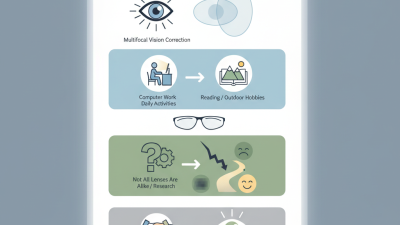
Progressive lenses offer a modern solution, allowing smooth transitions between various vision zones. These lenses are designed without visible lines, providing a more aesthetic option. However, they may demand an adjustment period. Not all users find them comfortable right away. Regular consultations with an eye care professional can help you choose the best option for your needs. Understanding these differences can guide you in making an informed decision.
Factors to Consider When Choosing Spectacle Lenses for Comfort and Clarity
Choosing the right spectacle lenses is essential for both comfort and clarity. Factors like lens material, coating, and prescription type play significant roles. According to a report by the Vision Council, about 75% of adults wear some form of vision correction. This highlights the importance of selecting suitable lenses.
Optical quality varies widely. High-index lenses reduce thickness and weight, making them more comfortable. Yet, not all high-index lenses deliver the same clarity. Proper lens coating is crucial, too. Anti-reflective coatings enhance clarity, especially in low-light conditions. A study revealed that individuals with these coatings experienced a 30% improvement in visual comfort.
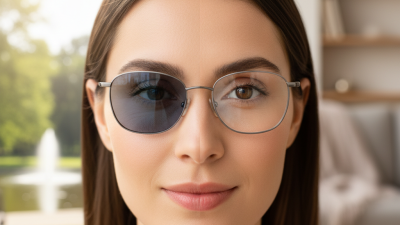
Consider your lifestyle when choosing lenses. For example, if you're often in bright environments, photochromic lenses might suit you. They adapt to light changes but could take time to adjust completely. Some users find the transition period bothersome and may need to reconsider this option.
Tips: Always consult with an eye care professional. They will help assess individual needs. Regular eye exams are vital for adjusting prescription accuracy over time. Don't overlook this aspect; your comfort and clarity depend on it.
Comparative Analysis of Lens Materials: Glass vs. Plastic vs. Polycarbonate
When choosing spectacle lenses, the material plays a critical role in both comfort and functionality. Glass lenses are known for their superior optical clarity. They resist scratching better than plastic alternatives. However, they are heavier and can break more easily. This makes them less suitable for active lifestyles.
Plastic lenses are lightweight and offer decent optical quality. They are less likely to shatter, making them safer for children and sports enthusiasts. Yet, they can scratch more easily than glass, unless treated with a protective coating. Many users find the durability of polycarbonate lenses appealing. They are impact-resistant and lightweight, perfect for everyday wear.
Each lens material has its pros and cons. Glass may not be practical for everyone due to its weight. Plastic might require careful handling to avoid scratches. Polycarbonate is versatile but may lack the optical quality of glass. Understanding these trade-offs is essential for making an informed choice. Consider your daily activities and personal preferences when selecting the right lens material.
Coatings and Treatments: Enhancing Your Spectacle Lenses’ Performance
Choosing the right coatings and treatments for your spectacle lenses is crucial. The right enhancements can improve your vision significantly. Anti-reflective coatings, for instance, reduce glare. This is especially useful for night driving. They enhance visual clarity by minimizing distractions.
Scratch-resistant treatments are also vital. They protect lenses from everyday wear and tear. However, many people overlook the importance of this feature. A lens can become damaged easily, affecting its effectiveness. Remember, not all scratch-resistant coatings are equal. Some might protect better than others.
Water-repellent coatings deserve attention too. These keep your lenses clear during rain or in humid conditions. They ensure optimal vision in various environments. Yet, it's important to manage expectations. No coating is perfect. Regular maintenance is still key in keeping your lenses functional and clear.
Top Spectacle Lenses Buying Guide for Global Shoppers
| Lens Type |
Coating Type |
Benefits |
Suggested Treatments |
| Single Vision |
Anti-Reflective |
Reduces glare and reflections |
Hydrophobic treatment for water resistance |
| Progressive |
Blue Light Blocking |
Protects against digital eye strain |
UV protection coating |
| Photochromic |
Scratch-Resistant |
Increases durability of lenses |
Anti-fog treatment for better vision |
| Bifocal |
Mirror Coating |
Enhances style and reduces glare |
Anti-static treatment to reduce dust |
Global Shopping Tips: Where and How to Buy Quality Spectacle Lenses Online
When shopping for spectacle lenses online, it’s crucial to consider a few key factors. Start by ensuring you have an up-to-date prescription from a qualified optometrist. Without this, you risk compromising your vision. Look for retailers that offer clear return policies. It’s not uncommon for ordered lenses to differ slightly from your expectations.
Investigate customer reviews. These can guide you in assessing the quality and reliability of online retailers. Pay attention to detailed experiences shared by other shoppers. This can help you avoid possible pitfalls. Additionally, be wary of extremely low prices. They may indicate substandard materials or craftsmanship.
Don’t hesitate to reach out directly to the seller for more information. A reputable retailer usually provides prompt and helpful customer service. If you have specific lens requirements, such as anti-reflective coatings, confirm that they are available. Your comfort and clarity are paramount. Engaging in thorough research can save you time and money in the long run.