Leave Your Message

How to Get Rx Lenses for My Frames?

Replacing the lenses in frames you already own can preserve a familiar fit and style. The process is not always a simple swap. An optician needs to check the frame’s condition, shape, and measurements before confirming that new prescription lenses will work. Tiny details matter. A worn hinge or a narrow lens groove can change the options.

Optometrist Dr. Gary Heiting’s published eyewear guidance underscores a practical principle: lens choices should suit both your prescription and your frame. That is a paraphrase, not a direct quotation. For Rx Lenses For My Frames, bring the frames and a current prescription to a qualified optical professional. They can verify the pupillary distance, lens dimensions, and how the frame sits on your face. These checks help match the lenses to your visual needs and reduce avoidable fitting problems.

Lens material and thickness also deserve attention. A stronger prescription may require a thinner lens design, while some frames limit which designs fit securely. Coatings can help with glare or scratches, but they cannot fix an incorrect prescription or poor fit. Ask what is compatible before ordering. Get clear answers.

This guide explains what to check, which measurements matter, and what to ask before paying. Even careful measurements cannot make every old frame suitable for new lenses. That part can be disappointing. A professional inspection is the sensible starting point, not a guarantee.

How to Get Rx Lenses for My Frames?

Confirm Your Prescription and Monocular PD Before Ordering Lenses

Before ordering lenses for frames you already own, confirm that your prescription is current and complete. Check the sphere, cylinder, and axis values, along with any near-add power, against the order form. A tiny transposition matters. If anything is unclear, ask your prescribing eye-care professional to verify it instead of guessing from memory. Mention any prism or other instructions on your prescription, as these may affect lens preparation.

Confirm your monocular PD: the distance from the center of your nose bridge to each pupil, measured separately in millimeters. The two numbers may differ, so don’t divide a total PD in half and assume the result is accurate. An optician can measure it precisely. A mirror or phone camera may help, but a tilted head or shifting gaze can change the reading. Take your time. Before ordering, also ask whether your frames are in good condition and suitable for the lenses you need. Some frames may not accommodate every lens type or prescription strength.

Check Frame Condition, Lens Shape, and Manufacturer Fit Limits

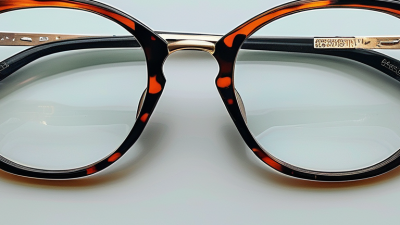
Getting prescription lenses fitted into existing frames starts with a careful condition check. An optician should inspect the hinges, bridge, nose pads, and rims for cracks, warping, or looseness. A frame that feels sturdy in your hands may still be brittle around the lens groove. Not always obvious. Older plastic can split under pressure, while bent metal may hold lenses unevenly. Ask whether any needed adjustment is safe before approving the work.

The lens shape must also match the frame’s openings. An optician can trace the shape and check your prescription, pupillary distance, and lens thickness against the available space. Stronger prescriptions may need thicker edges or more room near the frame’s bevel. Curved, rimless, or unusually shaped frames can have tighter limits. Manufacturer fit guidance matters, too: some frames are not designed for every lens material or prescription range. It is easy to focus on appearance and miss these practical constraints.

Tips: Bring the frame and your current prescription to the fitting visit. Ask whether the frame’s material, shape, and manufacturer limits suit your lenses. Keep expectations flexible; a frame may look usable but still carry too much risk for a safe fit.

Choose Lens Material and Design for Your Prescription and Frame

Getting prescription lenses for frames you already own starts with checking whether the frames can safely hold them. An optician can assess the frame’s material, condition, shape, and lens size. Loose hinges, hairline cracks, or a warped bridge may make replacement risky. That check matters.

Your prescription helps determine lens material and design. Higher prescriptions may benefit from thinner, lighter materials, while lower prescriptions often allow more options. The frame’s size and shape also affect lens thickness and edge appearance. A large frame can make strong prescriptions look thicker at the sides. Smaller, well-centered frames may reduce that effect, but comfort and personal style still matter.

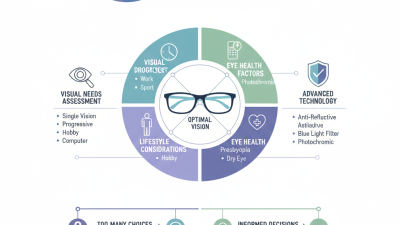
Lens design should match how you use your glasses. Single-vision lenses correct one viewing distance; progressive lenses combine distance and near correction, with a short adjustment period for some wearers. If you spend hours at a screen, ask about lens options suited to that working distance. No single material or design fits every prescription. It is easy to focus only on thinness, then regret sacrificing durability or comfort. Have the optician verify measurements and confirm the chosen lenses are compatible before ordering.

How to Get Rx Lenses for My Frames? - Choose Lens Material and Design for Your Prescription and Frame

Decision Option or detail Useful guidance Frame considerations
Lens material Standard plastic (CR-39, about 1.50 index) Often a practical choice for low-to-moderate prescriptions. It is generally thicker than higher-index materials for the same prescription. Works with many full-rim frames. Lens thickness and edge appearance depend on prescription, lens size, and frame shape.
Lens material Polycarbonate (about 1.59 index) Lightweight and impact-resistant; commonly considered for children, sports eyewear, and safety applications. It can show more optical distortion than some other materials for certain wearers. Suitable for many frame types, including some rimless designs when properly mounted. Follow the frame maker’s compatibility guidance.
Lens material Trivex (about 1.53 index) Lightweight and impact-resistant, with good optical clarity. It may be a useful option when impact resistance and optical quality are both priorities. Often considered for drilled or semi-rimless frames, subject to the frame and lens supplier’s recommendations.
Lens material High-index plastic (commonly 1.60, 1.67, or 1.74) Higher-index options can make lenses thinner for many prescriptions. They may reflect more light, so an anti-reflective coating is often considered. Thinner lenses are not guaranteed; the prescription and frame size also matter. Smaller, well-centered frames can help manage lens thickness. Ask for a thickness estimate based on the prescription and frame measurements.
Lens material Glass (mineral) Can resist scratching well, but is heavier and can break. It is not suitable for every wearer or frame and is less commonly selected for everyday eyewear. Check frame compatibility and safety needs before choosing. Avoid assuming it is appropriate for active use or impact-risk situations.
Lens design Single vision One lens power across the lens for a single viewing purpose, such as distance, reading, or computer use. Usually compatible with a wide range of frame shapes. Confirm the intended use and prescription with the eye-care professional.
Lens design Bifocal Combines distance and near viewing areas, typically with a visible dividing line. The frame must provide enough lens depth for the chosen segment and fitting position. Segment placement should be measured while the frame is adjusted on the wearer.
Lens design Progressive Provides distance, intermediate, and near powers without a visible dividing line. Adaptation and usable viewing zones vary by wearer and design. Check the design’s minimum fitting height and have fitting measurements taken with the chosen frame sitting in its adjusted position.
Lens design Occupational or computer lens Designed for specified working distances, such as computer and desk tasks. It may not provide the full distance range needed for driving. Select a frame with sufficient lens depth for the chosen design and tell the optician the usual screen distance and work setup.
Frame and measurements Frame size, shape, and centration Lens thickness and visual performance depend on prescription, pupillary distance, fitting height, lens diameter, and how the frame sits. Bring the actual frames for measurement. A frame that is too large or poorly centered may increase edge or center thickness, especially with stronger prescriptions.
Before ordering Prescription and frame check Use a current, valid prescription and confirm that the selected lens material and design can be made for it. Ask an optician to inspect the frames for condition and compatibility, take required measurements, and explain coating and safety options.

Verify Impact Resistance: FDA’s 5/8-Inch Steel-Ball, 50-Inch Drop Test

If you want prescription lenses fitted into your existing frames, ask the optical provider to inspect them before ordering. Small cracks near the hinges, loose screws, or a warped bridge can make a sound lens fit poorly. The frame’s shape and your prescription also affect lens thickness and edging. A quick inspection helps catch problems early.

In the United States, the FDA impact-resistance rule uses a 5/8-inch steel ball dropped from a height of 50 inches onto a spectacle lens. The test checks whether the lens resists breakage under that specific impact. It is a baseline test, not proof that lenses are unbreakable. Real accidents vary. A ball drop cannot represent every fall, angle, or sharp object.

Ask whether the finished prescription lenses meet the applicable impact-resistance requirements, and whether your frame can safely hold them. If you need eyewear for sports or hazardous work, ordinary impact-resistant lenses may not provide enough protection; ask about eyewear designed for that activity. I’d also ask how the lab handles the lens during edging. That detail is easy to overlook.

Have an Optician Fit the Lenses and Check Alignment and Comfort

An optician should check that your frames are sturdy and suitable for your prescription before ordering lenses. During fitting, they can measure each eye’s pupillary distance and fitting height, then account for how the frame sits on your face. Lens position can shift if the frames slide down your nose or sit crooked. Small details matter. I still find it easy to underestimate how much a slight tilt can change where you look through a lens.

The Vision Council’s 2023 Consumer inSights report found that about 76% of U.S. adults use some form of vision correction. That widespread need makes a careful handoff between prescription and frame fitting important. Ask the optician to check lens alignment while you wear the frames naturally, not while holding them level. They can adjust the nose pads and temple arms, then check comfort as you read or look across the room. A brief fitting cannot guarantee every prescription will feel right immediately, so report persistent blur, pressure, or headaches for a follow-up check.

Tips: Bring your frames and current prescription to the appointment. Wear the frames as you normally do. Look straight ahead, then down at your phone. Mention any pinching, slipping, or uneven pressure; don’t bend the frames yourself.

How to Get Prescription Lenses for Your Frames

An optician checks that the frames suit the prescription, measures where the lenses should sit, fits and verifies the lenses, then adjusts the frames. The numbers show the typical workflow order—not time, measurements, or outcomes. Exact fitting requirements depend on the prescription and frames.