Best Photosensitive Lenses for Global Buyers in 2026?
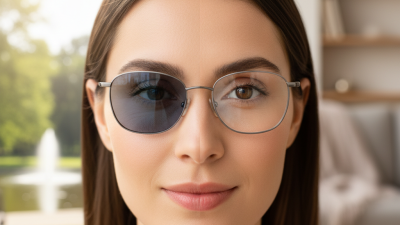
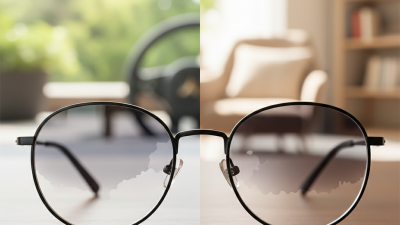
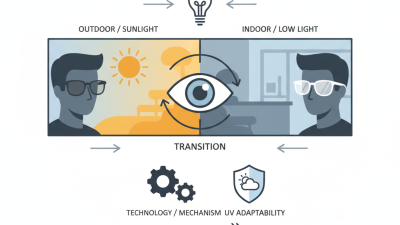
As the demand for advanced eyewear technology grows, Photosensitive Lenses are becoming increasingly popular among global buyers. These lenses adapt to changing light conditions, offering both comfort and protection. Their versatility suits everyday activities, from driving to outdoor sports, making them indispensable for many.
In 2026, various brands will offer innovative options. However, selecting the best Photosensitive Lenses requires careful consideration. Factors such as UV protection, transition speed, and durability are crucial. Buyers must also think about their unique lifestyle needs. While some lenses perform exceptionally well in bright sunlight, others may struggle in cloudy conditions. This inconsistency presents a challenge for consumers.
It's essential for buyers to actively seek expert advice. Understanding the latest technologies can lead to informed decisions. Careful research can prevent disappointment. This journey through the world of Photosensitive Lenses will help you find the perfect match. Embrace the quality and comfort they can offer, but remain aware of the trade-offs.
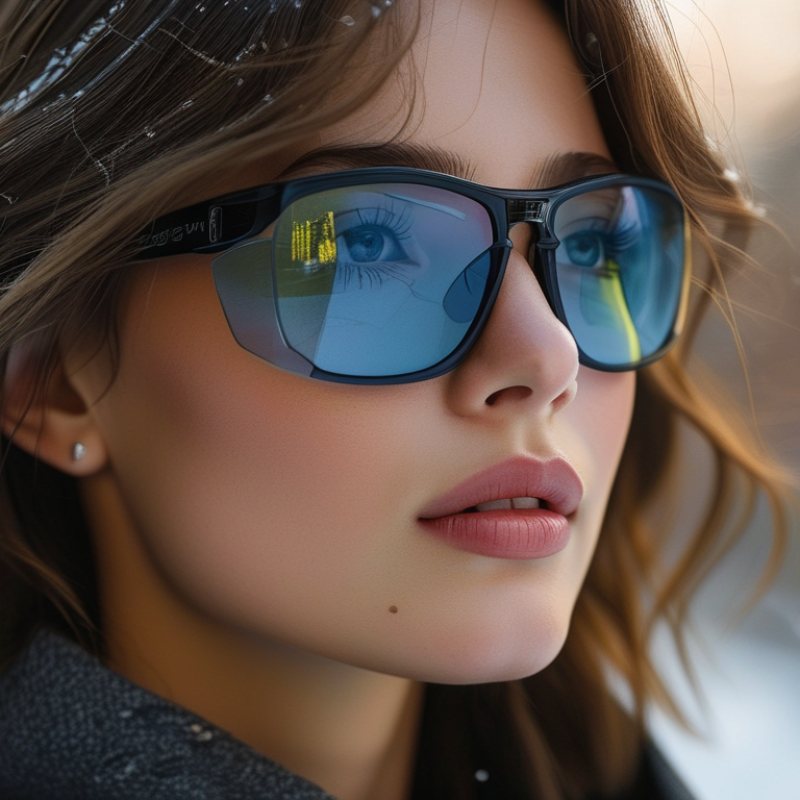
Overview of Photosensitive Lenses and Their Benefits
Photosensitive lenses, also known as photochromic lenses, have gained significant attention for their ability to adapt to varying light conditions. According to a report by the Vision Council, over 40% of American adults have experienced discomfort in bright sunlight. This highlights the growing need for adaptive eyewear that offers comfort and protection.
The benefits of photosensitive lenses extend beyond just convenience. Research from the American Optometric Association reveals that these lenses can block up to 100% of UVA and UVB rays. Such protection is vital in preventing long-term eye damage. Additionally, photosensitive lenses reduce glare, making them ideal for outdoor activities. Many users report a more enjoyable experience during sunny days.
However, users should be aware of some limitations. Photosensitive lenses may take time to fully transition between light and dark. Also, they might not darken effectively inside vehicles due to UV protection features. This inconsistency could lead to frustration for some users. Understanding these nuances is crucial when considering photosensitive lenses as a viable option.
Key Features to Consider When Choosing Photosensitive Lenses
When choosing photosensitive lenses, several key features should be carefully considered.
Light sensitivity is crucial. Lenses that adapt quickly to changing light conditions enhance user comfort. According to the
American Optometric Association, about 80% of vision problems can be linked to light exposure.
It is essential to select lenses that offer fast transitions for both indoor and outdoor environments.
Another significant factor is UV protection. Research from the World Health Organization indicates that prolonged UV exposure can lead to serious eye conditions.
Effective photosensitive lenses should provide 100% UV protection.
This not only safeguards vision but also adds value to the lenses. Additionally, lens material affects durability and clarity.
High-quality materials resist scratches and ensure better visual acuity over time.
Furthermore, some users may overlook tint options. A customized tint can enhance contrast and visual performance in various activities, especially for sports enthusiasts.
It's vital to reflect on personal lifestyle and needs. An informed choice can lead to better long-term satisfaction.
Finding the right balance between performance and comfort is worth considering for every potential buyer.
Top Brands for Photosensitive Lenses in 2026
When seeking photosensitive lenses, several key attributes stand out. The best options should provide excellent UV protection and rapid response to light changes. Modern technology has enhanced lens performance, allowing for better clarity and color perception. Buyers should look for products that are not only functional but also stylish. A good pair of photosensitive lenses can seamlessly transition from indoor to outdoor settings, offering both comfort and sharp vision.
Different brands have built their reputations through innovation and quality. While some companies focus on specialized coatings, others prioritize durability and comfort. These factors play a crucial role in user satisfaction. However, not all brands meet the same standards. It's essential to research and understand the differences in technology and materials used. Some lenses might not adapt as expected, leading to mixed experiences.
User reviews can provide invaluable insights into a lens's performance. Many users report dissatisfaction with slow response times or lens distortions. This feedback highlights the importance of selecting a reputable brand. Additionally, personal preferences such as lens tint and frame style can significantly impact the overall experience. Thus, buyers should reflect on their specific needs before making a decision.
Comparative Analysis of Lens Materials and Technology
Photosensitive lenses are evolving rapidly. Their material and technology play a key role in performance and user satisfaction. Understanding the different types of lenses is crucial for buyers.
Lens materials vary from polycarbonate to high-index plastic. Polycarbonate offers lightweight properties but is prone to scratches. High-index lenses are thinner and lighter but can be expensive. Each material comes with its strengths and weaknesses that must be weighed against personal needs.
Advanced technology in photosensitive lenses has improved significantly. Some lenses react faster to sunlight. Others adjust more smoothly between light and dark. However, effectiveness can vary greatly among users. It's important to consider individual lifestyle factors when selecting lenses. Users should be aware that not all lenses will work equally well for everyone.
Best Photosensitive Lenses for Global Buyers in 2026 - Comparative Analysis of Lens Materials and Technology
| Lens Type |
Material |
Photochromic Technology |
Light Transmission |
UV Protection |
Durability |
Weight |
| Standard Photosensitive |
Polycarbonate |
Basic |
15-20% |
99% |
Moderate |
Lightweight |
| Photochromic with Anti-Reflective |
Trivex |
Advanced |
20-25% |
99% |
High |
Lightweight |
| High Definition Photosensitive |
High-index Plastic |
Premium |
10-15% |
99% |
Very High |
Lightweight |
| Photochromic with Scratch Resistance |
Polycarbonate |
Standard |
15-20% |
99% |
Moderate |
Lightweight |
| Transitions Lenses |
Trivex |
Adaptive |
14-18% |
99% |
High |
Lightweight |
Consumer Reviews and Recommendations for 2026 Photosensitive Lenses
When choosing photosensitive lenses in 2026, consumer feedback is crucial. Many users appreciate lenses that adapt quickly to changing light. Some lenses darken rapidly outdoors but may take longer to return to transparency indoors. This delay can be frustrating, especially during transitions from sunlight to shade.
A variety of shapes and styles is also important. Consumers express a desire for frames that fit well and complement their faces. Some report discomfort with heavier lenses. Lightweight options seem to be favored by many. Many reviews emphasize the importance of scratch resistance and UV protection. These features contribute significantly to the perceived value of the product.
Not all lenses perform equally in different environments. Some users mention they struggle with glare while driving. Others point out that certain lenses do not adequately protect against digital screens. This inconsistency highlights a need for ongoing improvement in lens technology. It would be beneficial for manufacturers to focus on feedback to enhance their products continuously.