Why Choose Photosensitive Lenses for Your Eye Protection Needs?
As our lives become increasingly digital, eye protection is more important than ever. According to Dr. Emily Chen, an expert in optometry, "Photosensitive Lenses adapt to changing light conditions, protecting your eyes from harmful UV rays." This highlights their significant role in modern eye care.
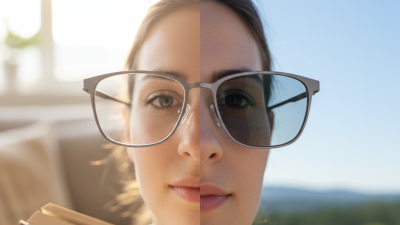
Photosensitive lenses provide comfort and clarity outdoors and indoors. They darken in sunlight and clear up in less intense light. This feature is particularly beneficial for those who work outside or spend long hours in front of screens. However, not everyone fully understands their benefits. Many still choose regular lenses, often overlooking their eye health.
Personal experiences can influence choices. Some wearers report issues with the speed of lens transition. Others may wonder about their effectiveness in different conditions. It's essential to weigh the pros and cons of Photosensitive Lenses, considering lifestyle and specific needs. Ultimately, these lenses offer valuable protection that shouldn't be ignored.
Understanding Photosensitive Lenses and Their Functionality
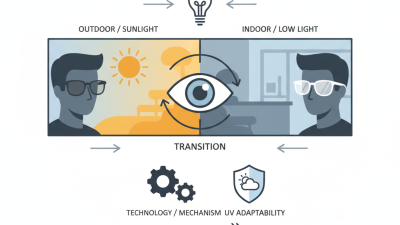
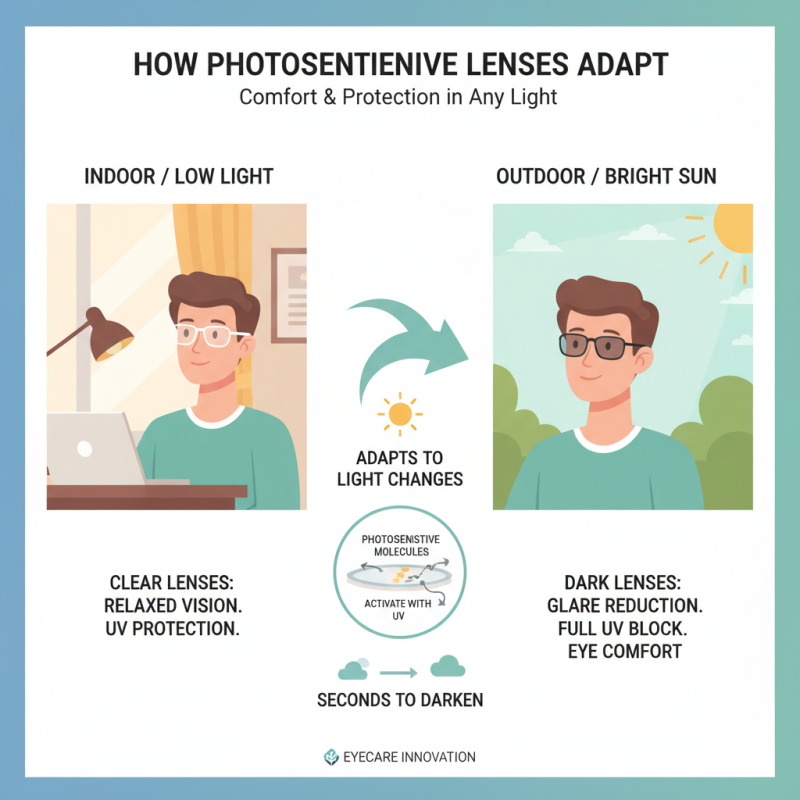
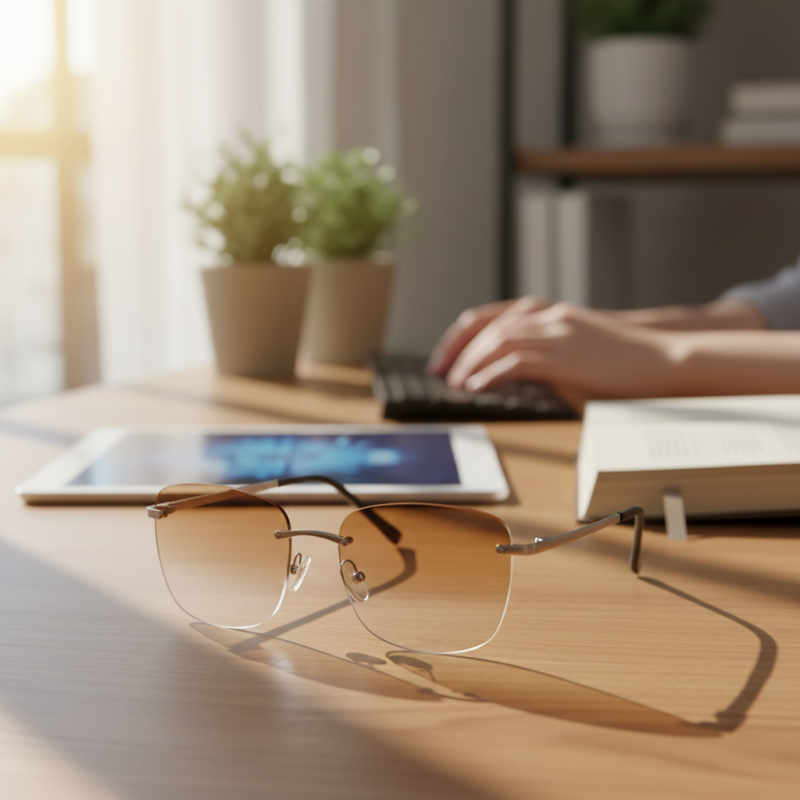
Photosensitive lenses are designed to adapt to changing light conditions. These lenses darken in bright sunlight and clear up indoors. This functionality helps protect your eyes from harmful UV rays. The technology behind these lenses relies on photochromic compounds. When exposed to UV light, these compounds undergo a chemical reaction that alters their structure. This response is quick, providing immediate protection.
Users often appreciate the convenience of photosensitive lenses. They eliminate the need to switch between regular glasses and sunglasses. Many people find this feature enhances daily activities, from driving to outdoor sports. However, some might experience slower adaptation times in certain conditions. For instance, car windshields can block UV rays, which may lead to longer adjustment periods. Reflecting on these experiences helps to understand personal preferences better.
While photosensitive lenses offer numerous benefits, not everyone may find them ideal. Individual response to light varies greatly. Some users report a slight color tint even indoors. This could be bothersome, especially under artificial lighting. It’s important to evaluate how these lenses fit into your lifestyle and preferences. Choosing the right option can enhance comfort and protect your vision effectively.
The Benefits of Photosensitive Lenses for Eye Health
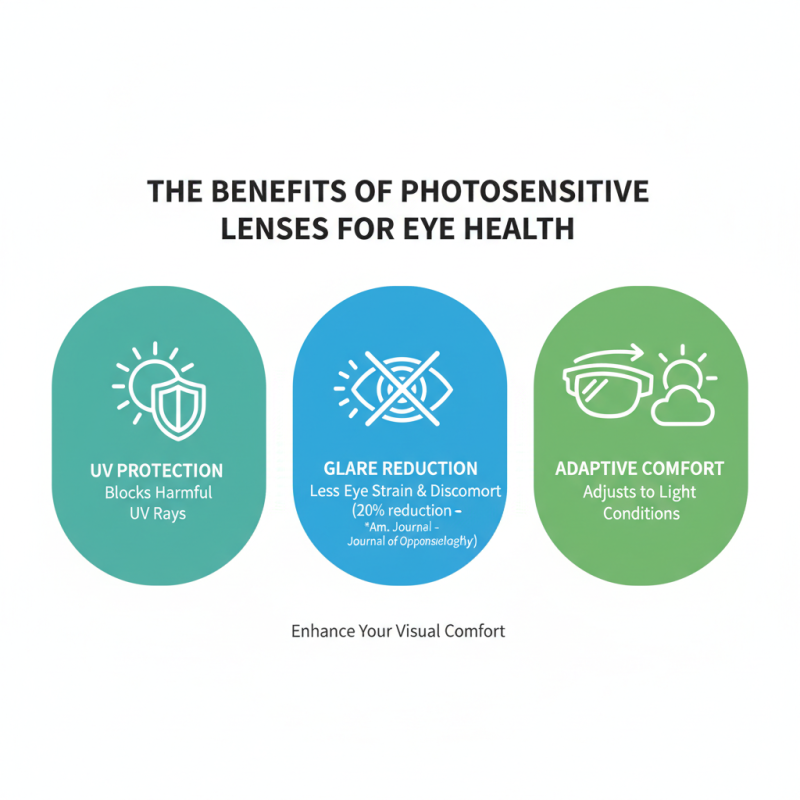
Photosensitive lenses provide significant benefits for eye health, acting as a shield against harmful UV rays and reducing glare. According to a study published in the *American Journal of Ophthalmology*, 20% of individuals report less eye strain and discomfort when wearing these lenses outdoors. They adapt to different light conditions, which can enhance visual comfort.
Tips: Choose lenses that block at least 99% of UVA and UVB rays. This helps to protect your eyes effectively.
Research from the *Optometry and Vision Science* journal indicates that prolonged exposure to bright light can lead to long-term vision problems. By using photosensitive lenses, wearers may reduce their risk of developing conditions like cataracts. The lenses transform in reaction to sunlight, providing dynamic protection.
Tips: Always ensure your lenses are high quality. Poorly made photosensitive lenses may not react properly to UV rays.
Another report revealed that 30% of people experience headaches due to light sensitivity. Photosensitive lenses can help mitigate this issue. Their transition feature not only aids outdoor visibility but also maintains indoor comfort, making them versatile for everyday use.
How Photosensitive Lenses Adapt to Different Lighting Conditions
Photosensitive lenses are a remarkable innovation in eye care. They adapt to varying light conditions, providing comfort and protection. When stepping outdoors, these lenses darken quickly. This feature shields your eyes from harmful UV rays. It can be particularly beneficial for individuals who spend long hours outside.
In low-light environments, photosensitive lenses return to their clear state. This ensures that you have optimal vision indoors or during cloudy weather. You won't experience the hassle of switching between regular glasses and sunglasses. However, reactions to light can differ from person to person. Some individuals might find the transition slow, which could lead to moments of discomfort. It's essential to consider your lifestyle when choosing these lenses.
Understanding how these lenses work can help you make informed decisions. Their photochromic technology is designed to enhance visual clarity. Yet, not every pair performs equally in all conditions. Some users have reported challenges in specific environments, like driving at night. It’s worth reflecting on your personal experience and what you need from your eyewear.
Comparing Photosensitive Lenses to Traditional Prescription Lenses
Photosensitive lenses, or photochromic lenses, respond to light changes. They darken in sunlight and clear indoors. This unique feature offers advantages over traditional prescription lenses. A study by the American Optometric Association shows that over 90% of eye care professionals recommend these lenses for outdoor activities.
Traditional lenses provide minimal protection from harmful UV rays. In contrast, photosensitive lenses block up to 100% of UV rays. This characteristic significantly reduces the risk of eye health issues, such as cataracts and macular degeneration. Research indicates that consistent UV exposure can increase the risk of these conditions.
Comfort is another vital factor. Many users report that photosensitive lenses are more comfortable in varying light conditions. They lessen glare and prevent eye strain. However, adaptability may take time. Some users may experience a delayed transition between clear and tinted states. This adjustment period could lead to frustration for those expecting immediate results. Nevertheless, many find the long-term benefits worth the wait.
Choosing the Right Photosensitive Lenses for Your Lifestyle Needs
When considering photosensitive lenses, it's essential to match them to your lifestyle needs. These lenses adapt to changing light conditions, offering comfort and clarity. If you spend time outdoors, photosensitive lenses can shield your eyes from harmful UV rays. They transition from clear indoors to darker shades outdoors, ensuring protection regardless of your environment.
However, individual preferences play a significant role in choosing the right lenses. For example, some may find the transition time slow in bright sunlight. This delay can cause momentary discomfort. Others may prefer lenses that offer quick adjustments, especially if they move frequently between indoor and outdoor settings. It's worth trying different options to find what feels best.
Keep in mind the activities you engage in daily. If you frequently use screens, consider lenses with added blue light blocking features. This can reduce eye strain during long hours. Yet, never overlook the importance of consultation with a vision care professional. They can provide insights tailored to your specific needs and lifestyle. Balancing practicality with comfort is key to achieving the best eye protection possible.
Why Choose Photosensitive Lenses for Your Eye Protection Needs?
| Feature |
Benefit |
Ideal For |
| UV Protection |
Reduces risk of eye damage from harmful UV rays. |
Outdoor Enthusiasts |
| Adaptive Darkening |
Automatically darkens in bright light for comfort. |
People with Active Lifestyles |
| Reduced Eye Strain |
Helps alleviate discomfort caused by glare. |
Office Workers & Students |
| Style Options |
Available in various frames and colors. |
Fashion-Conscious Individuals |
| Versatility |
Can be worn indoors and outdoors. |
All-round Users |