Why Understanding Lens Index Meaning Is Essential for Choosing Eyeglasses
When it comes to selecting the perfect pair of eyeglasses, understanding the intricacies of the lens index meaning is essential. The lens index refers to the refractive index of the material used in the lenses, which directly influences their thickness, weight, and overall effectiveness in correcting vision. As consumers navigate the vast array of styles and designs available, a clear comprehension of lens index meaning ensures they make informed decisions that cater to both their aesthetic preferences and visual needs.
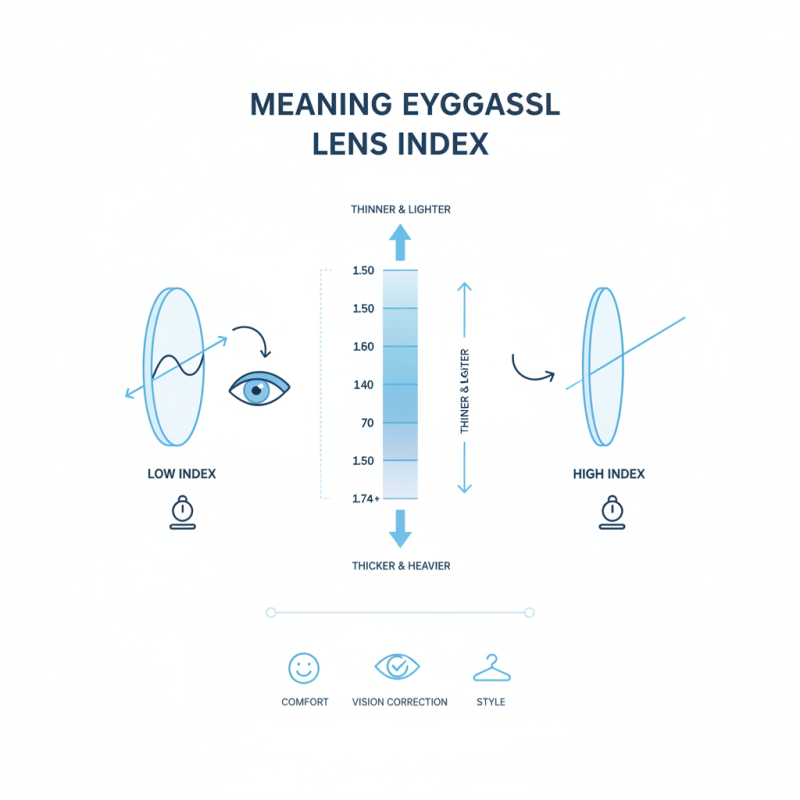
Moreover, knowing how the lens index correlates with various lens materials can significantly enhance the eyeglass-wearing experience. Higher index lenses are generally thinner and lighter, which can be particularly beneficial for those with strong prescriptions. Conversely, a lower index may be more suitable for individuals with mild vision correction needs. Thus, by grasping the concept of lens index meaning, wearers can find a balance between comfort, functionality, and style, ultimately leading to a more satisfying eyewear selection. Understanding these critical elements not only aids in the practical aspects of eyeglasses but also empowers individuals to express their personal style through their choice of lenses.
Understanding the Concept of Lens Index in Eyeglass Selection
When selecting eyeglasses, understanding the concept of lens index is crucial for making informed choices that cater to individual vision needs and lifestyle preferences. The lens index refers to the refractive power of the material used in the lenses, which directly affects the thickness and weight of the glasses. Higher index lenses, such as polycarbonate (index around 1.67) or high-index plastics (up to 1.74), are designed to be thinner and lighter, making them ideal for those with high prescriptions. According to the American Optometric Association, 60% of adults require vision correction, and understanding lens index can significantly enhance comfort for those who wear glasses daily.
In addition, selecting the appropriate lens index can influence the aesthetic appeal of the eyewear. For individuals with stronger prescriptions, traditional lenses can become bulky and unwieldy, often deterring users from choosing stylish frame options. A report by Vision Council indicates that nearly 75% of people cite comfort and appearance as primary considerations when selecting eyewear. By opting for higher index lenses, wearers can enjoy a more flattering profile without compromising vision quality. Therefore, grasping the significance of lens index is essential for optimizing both functionality and style in eyeglass selection.
Understanding Lens Index in Eyeglass Selection
The Importance of Lens Index in Prescription Eyewear
The lens index in prescription eyewear is a
crucial factor that dictates the weight, thickness, and visual quality of your eyeglasses. A
higher lens index means a thinner and lighter lens, which is
especially important for individuals with strong prescriptions. Many people overlook this aspect,
focusing instead on style and frame design, but understanding lens index meaning can make
a significant difference in comfort and appearance.
When choosing lenses, consider your lifestyle and how often you'll be wearing them. If you're
actively engaged in sports or outdoor activities, a lighter lens can reduce fatigue. Additionally,
higher index lenses usually offer better optical clarity, which is essential for those who spend
extended time reading or in front of screens.
Tips: Always consult with your eye care
specialist to determine the best lens index for your needs. If you're unsure about the different
indexes available, ask for a side-by-side comparison to visually see the differences, especially
when it comes to weight and thickness. Moreover, consider lens coatings that can enhance
durability and reduce glare while still being compatible with your chosen lens index.
How Lens Index Affects Lens Thickness and Weight
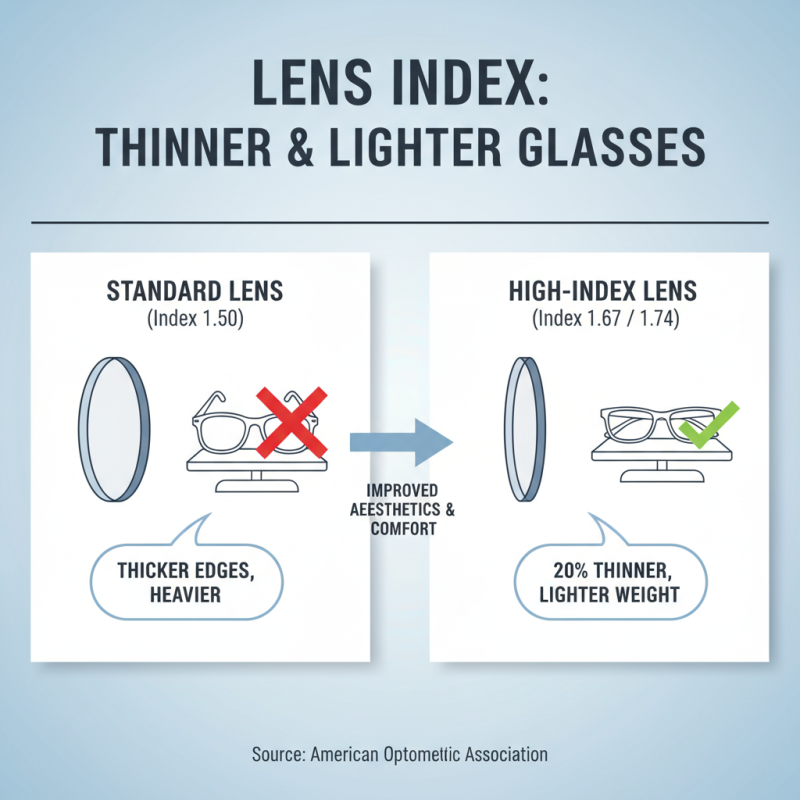
The lens index, which indicates the refractive power of the lens material, plays a crucial role in determining both the thickness and weight of eyeglasses. Higher index lenses, such as those with an index of 1.67 or 1.74, are significantly thinner compared to standard plastic lenses (index 1.50). For instance, a prescription with a stronger power typically results in thicker lenses; however, utilizing high-index materials allows for a reduction in thickness. According to the American Optometric Association, switching from a 1.50 index to a 1.67 index lens can decrease lens thickness by approximately 20% for the same prescription, enhancing both aesthetics and comfort for the wearer.
Weight is another critical factor influenced by lens index. Traditional lenses can become quite heavy, especially for stronger prescriptions, which can lead to discomfort and improper fit. High-index lenses not only provide a sleeker profile but also reduce overall weight significantly. Reports indicate that switching to a higher index lens can lower the total weight by about 15-30%, depending on the prescription. This is particularly beneficial for individuals who wear glasses for extended periods, as lighter lenses improve comfort and reduce the likelihood of slippage and distortion. Understanding the impact of lens index thus empowers consumers to make informed choices that optimize their visual experience.
Comparing Different Lens Index Options for Eyeglasses
When selecting eyeglasses, understanding different lens index options is crucial. Lens index refers to the refractive index of the lens material, which determines how light bends as it passes through the lens. A higher lens index allows for thinner and lighter lenses, an invaluable benefit for individuals with strong prescriptions. For example, those with high myopia may find that a higher index lens can significantly reduce the weight and thickness of their glasses, enhancing comfort and aesthetic appeal.
In comparing various lens index options, it's essential to consider not just the refractive power, but also factors like durability and scratch resistance. Standard lenses typically have an index of around 1.50, while mid-index lenses range from 1.53 to 1.67. High-index lenses go beyond this, reaching up to 1.74 or more. While higher index lenses tend to be more expensive, they offer considerable advantages for specific prescriptions. Additionally, lens coatings and treatments, such as anti-reflective coatings, can further improve vision clarity and lens performance, making the choice of lens index an essential factor in creating optimal eyewear.
Choosing the Right Lens Index for Your Vision Needs
Choosing the Right Lens Index for Your Vision Needs
When selecting eyeglasses, understanding the lens index is crucial for ensuring optimal vision correction and comfort. The lens index refers to the refractive index of the material used in the lenses, influencing thickness, weight, and appearance. Higher index lenses are thinner and lighter, making them excellent choices for individuals with strong prescriptions. By choosing the right lens index, you not only enhance your visual clarity but also improve the overall aesthetic of your eyewear.
Tips: If you have a high prescription, consider options like 1.61 or 1.74 index lenses, which will provide a more streamlined look. Additionally, always consult with your optician to determine the best lens index for your specific needs, as they can assess factors such as frame choice and lifestyle requirements.
Moreover, it’s essential to think about lens material and coatings that can complement the lens index. For instance, high-index lenses are often made from polycarbonate or high-index plastic, which provide not just a thinner profile but also increased durability and UV protection. It's wise to explore anti-reflective coatings to further reduce glare, especially if you spend a considerable amount of time in front of screens.