Choosing the right eyeglass lenses is crucial for achieving clear vision. Many options are available, making the decision process overwhelming. You might feel lost among different types, like single vision or progressive lenses. Each type has unique features and benefits, catering to various visual needs.
Quality eyeglass lenses can greatly enhance your daily life. Imagine reading a book without straining your eyes, or seeing clearly while driving. However, not everyone selects the best lenses for their needs. Mistakes happen, and it is essential to learn from them.
This guide explores the top 10 types of eyeglass lenses you should consider. Understanding their differences will help in making an informed choice. Clear vision is within reach, and the right lenses can make all the difference.
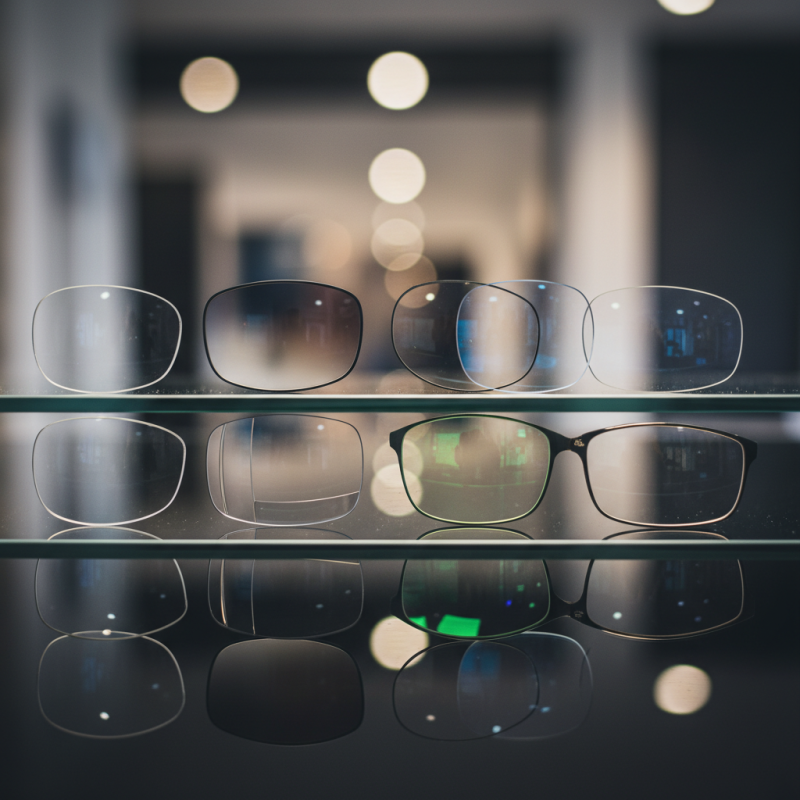
When choosing eyeglass lenses, clarity is crucial. Enhanced visual clarity is what many seek. Anti-reflective coatings can significantly reduce glare. Reports suggest that over 60% of users experience better night vision with these coatings. This is vital for safe driving in low-light conditions.
Photochromic lenses are another fantastic option. They adapt to light changes, offering comfort both indoors and outdoors. A survey revealed that 70% of wearers enjoy the convenience of not switching glasses. Wide-ranging UV protection is an added benefit, promoting better eye health. However, some users report a delay in darkening. This can be frustrating during sudden daylight exposure.
Progressive lenses are a popular choice for those needing multiple prescriptions. They provide seamless vision from near to far. Yet, they require an adjustment period. About 40% of new users report initial discomfort. This indicates the importance of proper fitting. Consulting with an eye care professional remains essential to customize lenses for unique visual needs.
Single vision lenses are the most common type of eyeglass lenses. They provide a single prescription for distance or reading. According to a study by the Vision Council, nearly 64% of eyewear users utilize single vision lenses. These lenses help correct vision problems like nearsightedness and farsightedness.
The benefits of single vision lenses are clear. They simplify vision correction, making them easy to wear. For individuals focused on one distance, these lenses offer clarity. They are often lightweight and fit comfortably in various frames. However, some users may find they require multiple pairs of glasses for different tasks. This can be inconvenient and lead to misplacing a favored pair.
With advancements in lens technology, single vision lenses are becoming more tailored. Options like anti-reflective coatings or blue light blocking features enhance comfort. Yet, these added features can increase costs, which may deter some buyers. Selecting the right pair involves considering lifestyle needs and budgets, making the process a bit overwhelming for many. Each choice has its trade-offs, highlighting the importance of thoughtful decision-making.
Progressive lenses offer a unique solution for those needing multi-focal vision correction. They combine near, intermediate, and distance vision zones into a single lens. Users can transition smoothly between different focal lengths. This design eliminates the visible lines found in bifocals and trifocals, creating a more natural look.
However, adapting to progressive lenses can take time. Some individuals experience distortion or discomfort initially. The gradual change in prescription areas may feel awkward. Finding the right frame is crucial because it affects vision and comfort. Certain frames may not accommodate the lens design effectively. A proper fit can make a significant difference in user experience.
Many users appreciate the versatility of progressive lenses. They are ideal for daily activities like reading, working on a computer, or driving. However, patience during the adjustment period is often required. Regular eye exams help ensure the prescription remains accurate over time. This ongoing eye care is essential for maintaining clear vision and comfort.
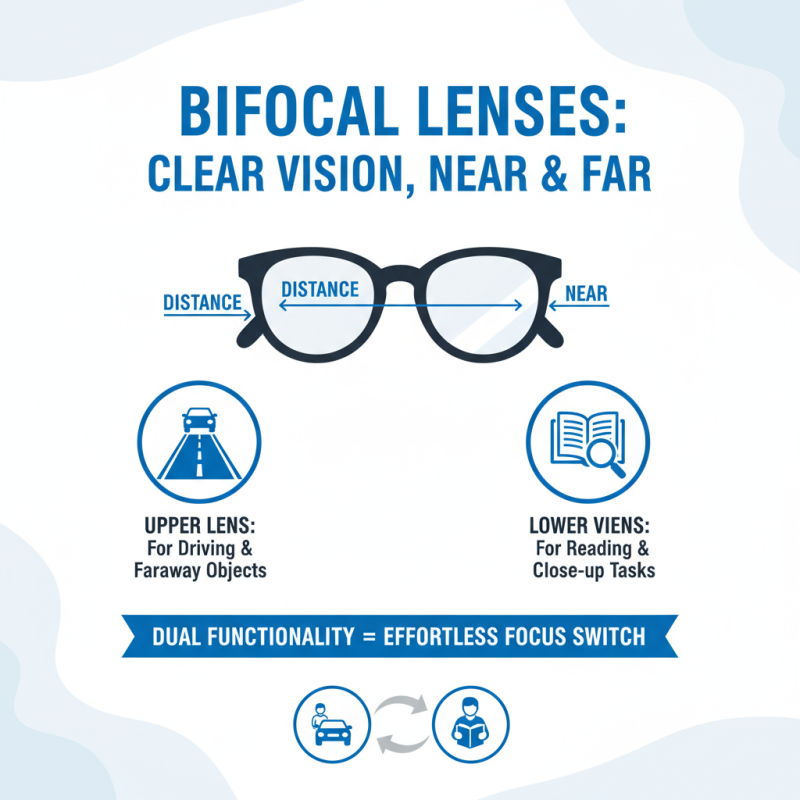
Bifocal lenses play a crucial role in enhancing vision for those who have difficulty seeing both near and far. They contain two distinct lens prescriptions, allowing wearers to switch focus effortlessly. The upper portion is designed for distance viewing, and the lower for close-up tasks. This dual functionality can be a game changer for individuals who struggle with reading as well as driving.
However, adjusting to bifocals is not always easy. Many users report a brief period of discomfort as their eyes acclimate. Some find it challenging to switch focus quickly. It may require practice to find the perfect angle. Users sometimes experience distortion at the lens edges, resulting in slight imbalance. These factors necessitate patience and adjustment.
For those considering bifocal lenses, it's important to recognize the benefits and the adjustment period. They can greatly improve life quality. Yet, the experience varies for each individual. Some might need additional time to adapt, while others find the transition quick and effortless. This personal journey highlights the uniqueness of each person's vision needs.
Protective coatings on eyeglass lenses play a pivotal role. They improve durability and clarity, keeping your lenses in top condition. A good coating can resist scratches and smudges. It also assists with UV protection. These features are vital for everyday wear.
Anti-reflective coatings are essential for reducing glare. This is especially important for those who drive at night or work on screens. However, not all anti-reflective layers are created equal. Some may chip or wear down more quickly than expected. This can lead to a frustrating experience.
Water-repellent coatings add another layer of convenience. They make cleaning easier and reduce water spots. Yet, some users discover that these coatings may not last as long as promised. The wear and tear can lead to compromised vision clarity over time. It's crucial to reflect on your lens options before finalizing your choice.
| Lens Type | Description | Benefits | Recommended For |
|---|---|---|---|
| Single Vision | Lenses with a single prescription for distance or near vision. | Clearer vision for specific tasks. | People with a singular focus on distance or near work. |
| Bifocal | Lenses with two distinct optical powers. | Convenience for both distance and near vision. | Older adults with presbyopia. |
| Progressive | Multifocal lenses without visible lines between powers. | Natural transition between distances. | Individuals needing corrections for multiple distances. |
| Photochromic | Lenses that darken in sunlight and clear in low light. | UV protection and convenience. | Outdoor enthusiasts. |
| Anti-Reflective | Lenses treated to minimize reflections. | Improved clarity and aesthetics. | Anyone using digital devices frequently. |
| Polarized | Lenses that reduce glare from surfaces. | Enhanced visual comfort and clarity. | Drivers and outdoor athletes. |
| High Index | Thinner lenses suitable for strong prescriptions. | Lightweight and stylish design. | People with strong vision prescriptions. |
| Aspheric | Lenses with a flatter profile to reduce distortion. | Improved image quality and aesthetics. | Those needing precision vision with style. |
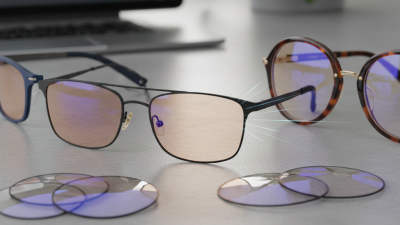
| Blue Light Blocking | Lenses that filter out blue light emitted from screens. | Reduced eye strain and better sleep quality. | Individuals using screens extensively. |
| Protective Coated | Lenses with coatings for scratch resistance and clarity. | Increased durability and visibility. | Active individuals needing rugged lenses. |
The article "Top 10 Types of Eyeglass Lenses You Should Consider for Clear Vision" explores various options available for improving visual clarity. It highlights the significance of different eyeglass lenses, beginning with single vision lenses, which are the simplest form designed to correct one field of vision. The discussion then transitions to progressive lenses, providing a multi-focal solution for individuals needing varying prescriptions, followed by bifocal lenses, which cater to clear near and distant sight.
Additionally, the article elaborates on protective coatings that enhance eyeglass lenses, ensuring durability and clarity over time. It also addresses specialized lenses tailored for specific visual conditions, such as astigmatism, ensuring that individuals with unique visual requirements can achieve optimal vision. By considering these diverse types of eyeglass lenses, readers can make informed choices for their vision needs.