Top 10 Tips for Choosing Free Form Progressive Lenses for Perfect Vision
When it comes to achieving perfect vision, choosing the right eyewear is paramount. This is where Free Form Progressive Lenses come into play, offering unparalleled benefits for those who require multifocal prescriptions. Unlike traditional progressive lenses, Free Form lenses utilize advanced digital technology to create a personalized fit, ensuring that users enjoy a seamless transition between different vision zones. This innovation caters to a diverse range of lifestyles and visual needs, making it essential to consider several factors when selecting the ideal pair.
In this guide, we will explore the top ten tips for choosing Free Form Progressive Lenses, aimed at optimizing your visual experience. Understanding the unique features and advantages of these lenses can significantly enhance your day-to-day activities, whether you are reading, working at a computer, or enjoying outdoor pursuits. By following these guidelines, you can make an informed decision that best aligns with your vision requirements and lifestyle preferences. Get ready to discover how to select the perfect Free Form Progressive Lenses for your needs, ensuring clarity and comfort in every glance.

Understanding Free Form Progressive Lenses and Their Advantages
Free form progressive lenses represent a significant advancement in eyewear technology, providing wearers with a seamless transition between different vision zones—near, intermediate, and distance. Unlike traditional progressive lenses, which have predefined focal points, free form lenses are designed using sophisticated digital manufacturing techniques that tailor the prescription to the individual wearer’s visual needs. According to a report by the Vision Council, nearly 70% of people over 40 require some form of vision correction, emphasizing the importance of selecting the right lenses for optimal clarity and comfort.
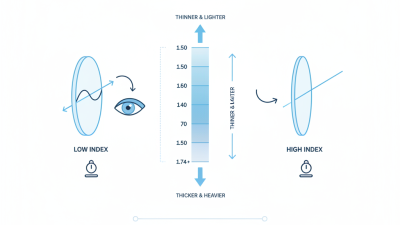
When choosing free form progressive lenses, consider the following tips. First, ensure that the lens design is customized to your unique visual habits and needs. Taking into account your primary activities—whether reading, computer work, or driving—can make a significant impact on your overall satisfaction. Second, prioritize lens materials and coatings. High-index lenses can be thinner and lighter, enhancing comfort, while anti-reflective coatings can reduce glare and improve visual clarity. A study conducted by the Optical Laboratories Association suggests that tailored coatings can enhance user experience by up to 30%.
Furthermore, consult with your eye care professional to undergo precise measurements. Proper fitting is crucial; a millimeter off in alignment can affect vision quality drastically. Incorporating these tips into your selection process will not only help you navigate the myriad options available but also ensure that you experience the full benefits of free form progressive lenses, enhancing both vision and lifestyle.
Key Factors to Consider When Choosing Progressive Lenses
When selecting progressive lenses, several key factors must be considered to ensure optimal vision and comfort. First and foremost, it's crucial to consult with an eye care professional who can provide personalized recommendations based on your specific vision needs. Regular eye exams can help determine your prescription accurately, which is the foundation for effective progressive lenses.
Another essential aspect is the lens design. Different designs cater to various visual habits and lifestyles. For instance, if you spend considerable time on digital devices, look for lenses optimized for screen use. Additionally, the lens material and coatings play a significant role in durability and comfort; anti-reflective coatings can reduce glare, making a noticeable difference in visual clarity.
When choosing your lenses, consider how you intend to use them. If your daily activities range from reading to distance driving, ensure the chosen lenses provide smooth transitions between different zones. A well-fitted pair of progressive lenses can significantly enhance your quality of life, allowing for a more natural visual experience that adapts to your everyday needs. The right selection will ultimately lead to better visual comfort and reduced eye strain.
Materials and Coatings for Optimal Lens Performance
When it comes to selecting free form progressive lenses,
understanding the materials and coatings is crucial for achieving optimal lens performance.
High-quality materials, such as polycarbonate and high-index plastics, offer
benefits like lightweight construction and high impact resistance.
According to a report from the Optical Laboratories Association, nearly 70% of opticians recommend
polycarbonate lenses for their superior durability and clear vision. This makes them an
excellent choice for everyday eyewear, particularly for active individuals.
Another important aspect to consider is the lens coatings available.
Anti-reflective coatings can significantly
enhance visual clarity by reducing glare from screens and harsh lighting.
Research has shown that lenses with anti-scratch coatings tend to last longer and maintain
their optical quality, which is critical when choosing progressive lenses that require
precision in vision correction.
Tip: When selecting lenses, consider your lifestyle. If you're
frequently using digital devices, opt for lenses with blue light filtering coatings
to reduce eye strain. Additionally, ensure to ask your optician about photochromic options,
which adapt to changing light conditions, providing comfort and protection against UV rays. By
focusing on the right materials and coatings, you can ensure that your free form progressive lenses
provide you with the best possible vision correction for your needs.
Personalization Options for Enhanced Comfort and Vision
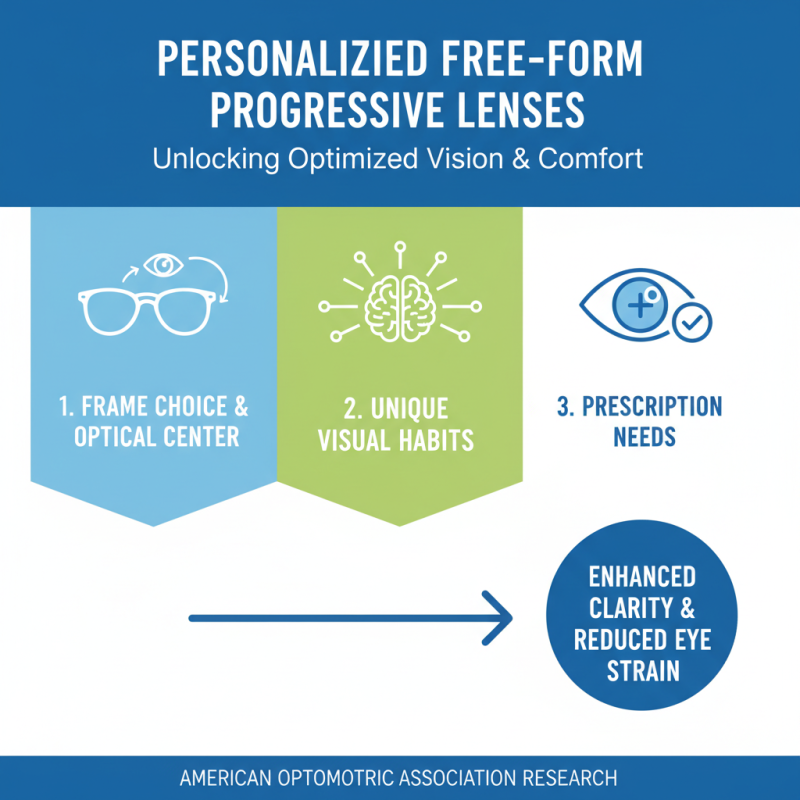
When selecting free form progressive lenses, personalization is key to achieving enhanced comfort and optimized vision. Research by the American Optometric Association reveals that customized lenses can improve visual clarity and reduce eye strain, especially for those with specific prescription needs. Personalized progressive lenses take into account factors such as the wearer's frame choice, the position of the optical center, and their unique visual habits, leading to a more tailored experience.
One important tip for choosing the right progressive lenses is to consider your primary visual activities. For instance, if you spend a lot of time on digital devices, you might benefit from lenses designed with a wider near vision zone to accommodate screen use. Another useful tip is to take full advantage of modern fitting technologies; many optometrists now use digital measurements to create lenses that fit your eyes optimally. This data-driven approach can significantly enhance comfort, making wearers feel more at ease with their lenses throughout the day.
Lastly, don’t overlook the importance of lens materials and coatings. High-index materials can make lenses thinner and lighter, reducing the burden on your nose and ears. Additionally, anti-reflective coatings minimize glare and improve visual comfort, particularly in low-light conditions. Such enhancements contribute to a more enjoyable wearing experience, enabling you to focus on what truly matters—perfect vision in every aspect of your life.
Consulting with an Eye Care Professional for Best Results
When it comes to selecting free form progressive lenses, consulting with an eye care professional is essential for achieving optimal vision. An experienced optometrist can assess your individual visual needs, taking into account your lifestyle, occupation, and specific vision requirements. Their expertise allows them to recommend the best lens features tailored to your unique circumstances, ensuring that you find comfort and clarity in your daily activities.
In addition to professional advice, there are several important tips to consider. First, prioritize the lens design that accommodates your primary visual tasks, whether it's reading, working on a computer, or enjoying outdoor activities. Second, be aware of the mount type and frame that can best support your progressive lenses; a well-fitted frame is crucial for preventing distortion and maximizing comfort. Lastly, do not hesitate to ask for a trial period with your lenses, allowing you to experience their performance in real-life conditions before making a final decision. This collaborative approach with your eye care provider will lead to the best possible outcome for your vision needs.
Top 10 Tips for Choosing Free Form Progressive Lenses for Perfect Vision