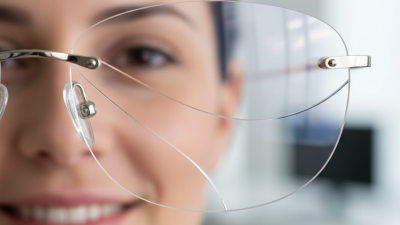
What is Grey Transition Lenses and How Do They Work?
Grey Transition Lenses have revolutionized the eyewear industry with their unique ability to adjust to varying light conditions. Dr. Emily Sanders, an expert in optical technologies, notes, "These lenses offer convenience and protection, adapting seamlessly to our daily lives."
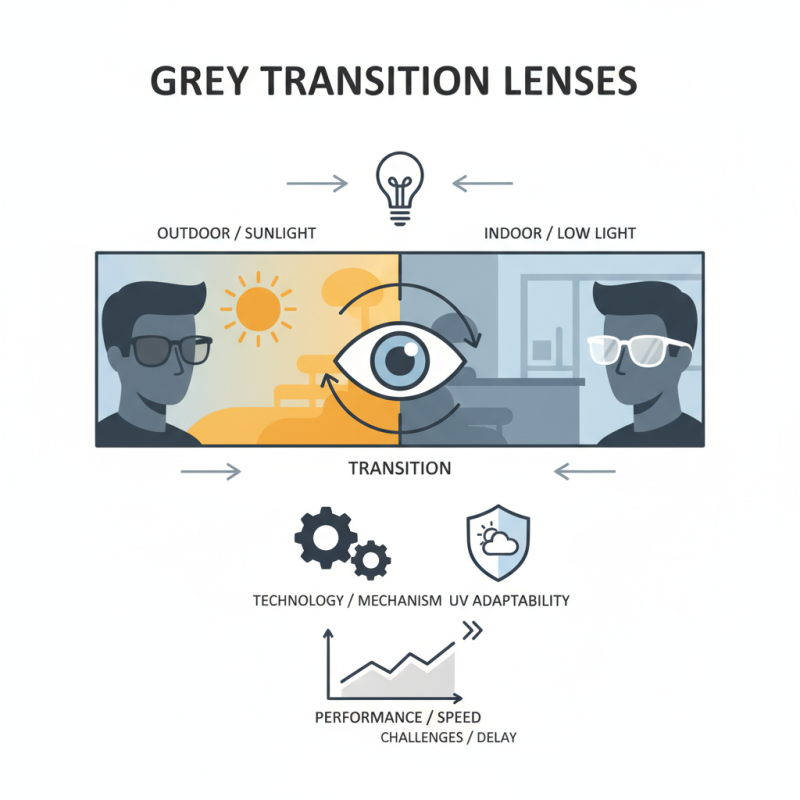
The science behind Grey Transition Lenses lies in their photochromic properties. They darken in sunlight, providing essential UV protection. When indoors, they return to a clear state. This dynamic change enhances visual comfort and supports active lifestyles.
However, not everyone appreciates the innovation. Some users report a delay in the transition speed. Feedback highlights a need for improvement in this area. Balancing adaptability with performance remains a challenge for manufacturers. Despite these imperfections, Grey Transition Lenses represent a significant leap forward in eyewear technology.
What Are Grey Transition Lenses?
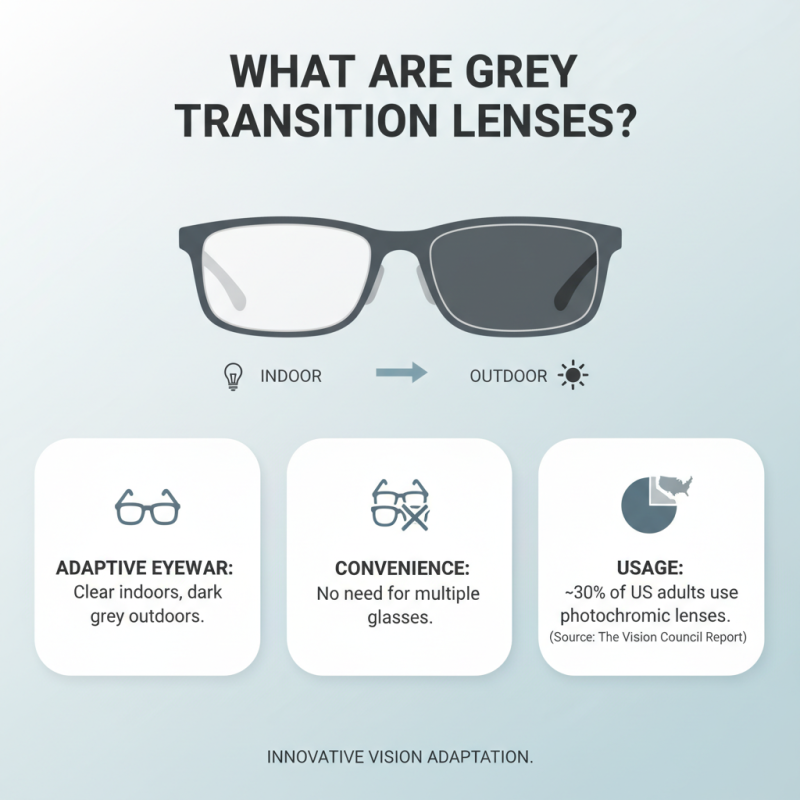
Grey transition lenses are innovative eyewear designed to adapt to varying light conditions. They are photochromic lenses that change from clear indoors to dark grey outdoors. This technology offers convenience, reducing the need for multiple pairs of glasses. According to a recent report by the Vision Council, about 30% of the adult population in the U.S. uses photochromic lenses.
These lenses are particularly popular among outdoor enthusiasts. The grey tint provides excellent glare reduction and preserves true color perception. A study shows that these lenses filter out 100% of harmful UV rays, enhancing eye safety. However, not all users find the transition process seamless. Some report a delay in darkening or lightening, which can be inconvenient in rapidly changing light conditions.
The science behind grey transition lenses involves chemical compounds that react to UV light. As light levels change, the molecules within the lens either expand or contract, altering the lens tint. While this technology is beneficial, some users express concerns over clarity and durability. Further research is necessary to improve performance in various environments.
How Grey Transition Lenses Function Mechanically
Grey transition lenses are a clever innovation in eyewear. They change tint based on lighting. When exposed to UV rays, these lenses darken. This reaction helps protect your eyes from glare. In brighter conditions, they offer more comfort. Conversely, indoors, they return to a clear state.
The mechanics behind grey transition lenses involve photochromic technology. Special molecules in the lens react to sunlight. When UV light hits, these molecules absorb energy. This results in a chemical reaction that alters their structure. As a result, the lenses darken. When the light source is removed, the process reverses.
Despite this impressive function, not everyone experiences the same effectiveness. Some users find the transition time slow. Others may not like how dark the lenses get. Factors such as temperature can also play a role. In colder climates, they may not react as quickly. These imperfections invite further reflection on user needs and experiences.
The Benefits of Using Grey Transition Lenses
Grey transition lenses offer a unique blend of function and style. These lenses change tint based on light exposure. When outdoors, they darken to protect your eyes. Indoors, they lighten, allowing clear vision. This versatility makes them ideal for many lifestyles.
The benefits of using grey transition lenses are numerous. First, they provide UV protection. This is crucial for eye health. Second, the grey tint reduces glare. This feature enhances comfort while driving or spending time outside. Additionally, these lenses can fit into various frame styles, appealing to many preferences.
Tips: Consider your daily activities when choosing lenses. If you spend a lot of time outside, these could be a perfect fit. It’s good to reflect on your eye care habits regularly. Do you protect your eyes from digital screens? Making changes can help improve your overall eye health.
Differences Between Grey Transition Lenses and Standard Sunglasses
Grey transition lenses are designed to change tint based on light exposure. They darken in bright sunlight and become clear indoors. This allows for versatility without needing to switch glasses. In contrast, standard sunglasses maintain a consistent tint, regardless of light conditions. Transition lenses adapt, ensuring optimal vision wherever you go.
Standard sunglasses offer UV protection but lack adaptability. They do not change with different lighting. This can lead to discomfort in varying environments. Grey transition lenses, however, reduce eye strain by adjusting to outdoor lighting. This is especially helpful for those who move from bright to dim locations frequently.
Tips for selecting grey transition lenses: Look for options that block 100% UV rays. Ensure they fit comfortably. Consider your daily activities. If you're outdoors often, these lenses are a practical choice. Remember, they may take a moment to fully adjust to changing light conditions. Expect a slight reflection on the indoor side at times. That’s just part of the experience.
What is Grey Transition Lenses and How Do They Work? - Differences Between Grey Transition Lenses and Standard Sunglasses
| Feature |
Grey Transition Lenses |
Standard Sunglasses |
| Color Adaptation |
Transitions from clear to dark grey |
Typically dark shades |
| Response to UV Light |
Changes based on UV exposure |
Does not change based on UV |
| Indoor vs Outdoor Use |
Clear indoors, dark outdoors |
Consistently dark |
| Comfort in Various Lighting |
Adjusts for comfort |
Fixed level of pigmentation |
| Cost |
Generally higher due to technology |
Varies, often lower |
How to Care for Your Grey Transition Lenses
Taking care of your grey transition lenses is essential for their longevity.
Regular cleaning is crucial. Use a gentle microfiber cloth to wipe them down.
Avoid using paper towels or rough fabrics. They can scratch the surface.
Dust and dirt can accumulate, which may impair your vision.
A cleaner lens provides a better experience.
Store your lenses properly. Always place them in a protective case when not in use.
This prevents scratches and other damage. Be mindful of extreme temperatures;
high heat can warp your lenses over time. Cleaning solutions matter too.
Opt for products specifically designed for eyewear.
Harsh chemicals can degrade the lens material.
Reflecting on your habits can help. If you wear your glasses daily, check for any signs of wear.
Ask yourself, are you taking enough care?
Small actions can make a big difference. Treat your lenses well, and they will serve you faithfully.
It's easy to overlook details, but they matter. Maintain a routine, and you'll enjoy clearer vision.