What Are Digital Free Form Lenses and Their Benefits?
Digital Free Form Lenses represent a significant advancement in optical technology. With the ability to create highly customized lens profiles, these lenses enhance visual performance for various wearers. Dr. Alice Foster, an industry expert, states, "Digital Free Form Lenses allow for a personalized visual experience that traditional lenses simply cannot match." Her insight highlights the profound impact of this technology on eyewear.
These lenses employ advanced manufacturing techniques that tailor the surface curvature to an individual’s prescription and visual needs. This customization leads to clearer vision across different fields of view. Users may notice increased comfort and reduced distortions, especially in peripheral vision. Yet, despite these benefits, some may find the transition challenging. Adapting to the unique design can require patience.
The potential for Digital Free Form Lenses is vast. They can meet the demands of various lifestyles, enhancing daily functions like reading or driving. However, the initial cost may deter some users. Potential wearers must weigh the advantages against their budget constraints. In the ever-evolving optical landscape, Digital Free Form Lenses stand out, calling for continuous reflection on their value and accessibility.
Definition of Digital Free Form Lenses and Their Characteristics
Digital free form lenses are revolutionizing the eyewear industry. They are customized to fit individual needs. Unlike traditional lenses, they are designed using advanced digital technologies. These lenses can improve vision accuracy significantly. According to a recent industry report, over 70% of optical professionals see improved patient satisfaction with free form lenses.
The defining feature of digital free form lenses is their precision. They are made using complex algorithms that cater to specific prescriptions. This technology can create a lens with varying curvature. This leads to sharper vision in all directions. The optimization process also minimizes distortion. Studies show a 30% reduction in peripheral distortion compared to conventional lenses.
Despite their advantages, challenges exist. Not all wearers adjust easily to the new lenses. Some need time to adapt to the visual differences. Additionally, production costs can be higher than traditional lenses. This can limit accessibility for some consumers. The digital free form lens market, however, is expected to grow significantly in the coming years. The global market is projected to reach $7.5 billion by 2025, highlighting the potential impact of this technology.
Benefits of Digital Free Form Lenses
How Digital Free Form Lenses Are Manufactured and Designed
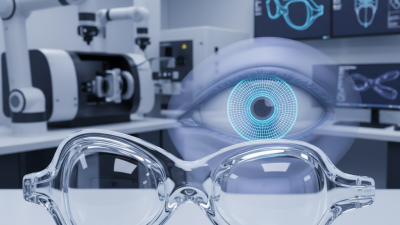
Digital free form lenses are a revolution in lens design and manufacturing. These lenses utilize advanced technology to create customizable optical surfaces. The design process involves sophisticated software that calculates the precise curvature needed for optimal vision. This method allows for complex shapes that traditional lenses cannot achieve.
The manufacturing of digital free form lenses begins with digital measurements of a person's eyes. This ensures that each lens is tailor-made for the individual's unique vision needs. A recent industry report noted that personalized lenses can improve visual acuity by up to 30%. This is a significant step forward, as uniform lenses cannot provide the same clarity.
Tips for choosing the right lenses:
- Always get a comprehensive eye examination to ensure accuracy in measurements.
- Consider the specific activities where you will use the lenses, as customization can maximize your experience.
- Review your lifestyle needs with your optician to find the best options.
It’s essential to communicate openly with your eyecare provider. The complexity of digital free form lenses means that not every aspect is straightforward. Some users may find adjustments necessary after the initial fit. This process can feel frustrating but is often needed for perfection. Reflection on comfort and clarity is essential in your ongoing vision journey.
Comparing Digital Free Form Lenses to Traditional Lenses
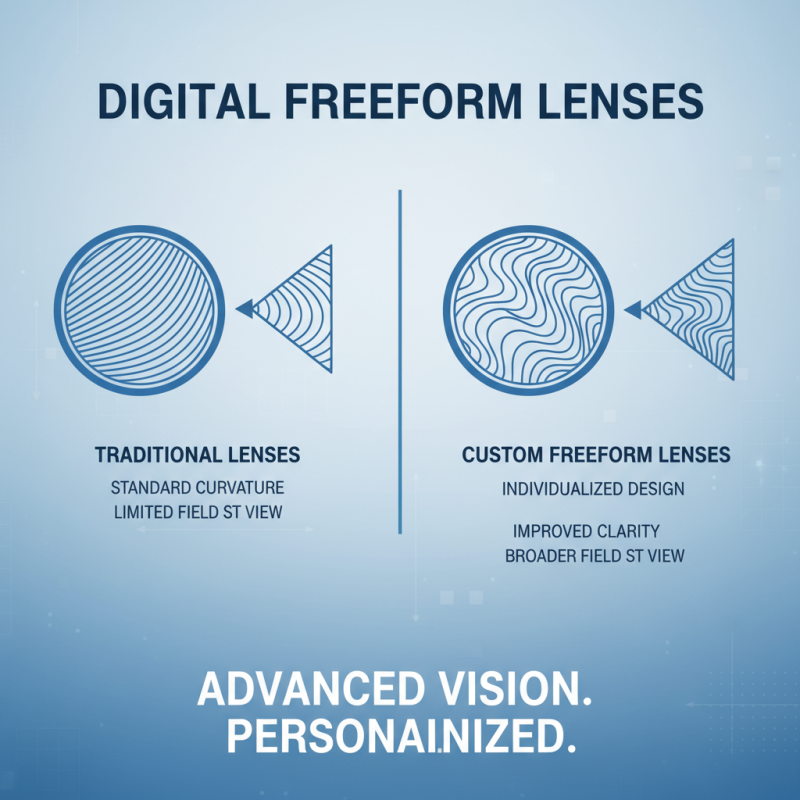
Digital free form lenses represent a significant advancement in lens technology. Unlike traditional lenses, which follow a standard curvature, digital free form lenses are customized to the individual’s vision needs. This personalization allows for improved clarity and a broader field of view.
When comparing these lenses to traditional options, one key difference is the design process. Traditional lenses are often crafted using established templates. Digital free form lenses, in contrast, utilize advanced software and machinery. This enables precise adjustments in the lens curve and thickness, allowing for better visual acuity. Users may notice less distortion, especially at the lens edges.
Tips: Consider your specific visual requirements. Your prescription plays a crucial role in lens effectiveness. Discuss this with your eye care professional.
Another notable aspect is the comfort level. Traditional lenses may not fit as well. Digital lenses can alleviate discomfort during prolonged use. However, some users report a transition period when adjusting to these new lenses. This can be frustrating but is often a short-term adjustment.
Tips: Give yourself time to adapt. If discomfort continues, revisit your eye care specialist for further evaluation.
Key Benefits of Using Digital Free Form Lenses for Vision Improvement
Digital free form lenses represent a significant advancement in vision correction. Unlike traditional lenses, they are custom-made using sophisticated software. This technology creates personalized optics that cater to individual vision needs. The result? Sharper images and an enhanced field of view.
One major benefit is the precise correction of refractive errors. Each lens can adapt to your unique prescription, addressing astigmatism and presbyopia effectively. Many users report improved clarity at various distances. Additionally, these lenses reduce distortion, which is a common issue with standard lenses. Wearing them feels natural and comfortable, as they minimize the need for frequent adjustments.
However, some may find the transition challenging. It can take time to adapt to the new visual experience. Initial discomfort is possible, leading to frustration. This highlights the importance of patience and proper fitting from an eye care professional. Despite these challenges, the long-term benefits often outweigh the initial hurdles. The personalized approach provides a clear path to enhanced vision.
Applications of Digital Free Form Lenses in Various Optical Products
Digital free form lenses are revolutionizing various optical products. These innovative lenses allow for customized designs that can enhance vision more than traditional lenses. According to a recent industry report, the global market for free form lenses is expected to reach $4.5 billion by 2025. This growth reflects their increasing adoption across different applications, such as eyeglasses, camera systems, and projection technologies.
In eyeglasses, digital free form lenses deliver personalized visual experiences. They provide sharper vision by adapting to the wearer’s unique prescriptions. This customization can measure the position of the eye, resulting in optimized lens designs. In projection systems, these lenses improve image focus and distribution. They ensure that images remain sharp even at different viewing angles. Nevertheless, the complexity of manufacturing these lenses requires careful consideration. Quality control can be a challenge, leading to potential variations in product output.
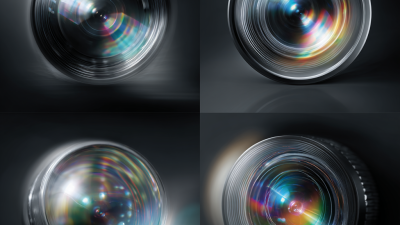
Camera systems also benefit from digital free form lenses. They enhance image quality by reducing distortions and improving light transmission. A report by a leading optics organization indicates that incorporating these lenses can increase optical performance by up to 30%. However, integrating such advanced technology may heighten costs and require specialized knowledge. Users need to weigh the advantages against potential drawbacks. The landscape of optical products is evolving, but some issues still need addressing.
What Are Digital Free Form Lenses and Their Benefits? - Applications of Digital Free Form Lenses in Various Optical Products
| Application |
Benefit |
Material Used |
Typical Use Case |
| Eyeglasses |
Enhanced visual clarity with customized focal points |
Polycarbonate, High-index plastic |
Corrective lenses for myopia and hyperopia |
| Cameras |
Improved depth of field and focus control |
Glass, Optical plastic |
Professional photography and videography |
| Head-Up Displays (HUD) |
Increased safety with direct view of critical data |
Polycarbonate |
Automotive and aviation applications |
| Virtual Reality Headsets |
Enhanced immersion and visual accuracy |
Plastic lenses |
Gaming and simulation environments |
| Sunglasses |
UV protection with glare reduction |
Polarized lenses, Polycarbonate |
Outdoor activities and driving |