How to Choose Polarized Lenses for Your Sunglasses?
Choosing the right sunglasses involves understanding polarized lenses. These lenses greatly reduce glare and enhance vision clarity. Dr. Emily Carter, a leading expert in optical technology, states, "Polarized lenses can transform your outdoor experience."
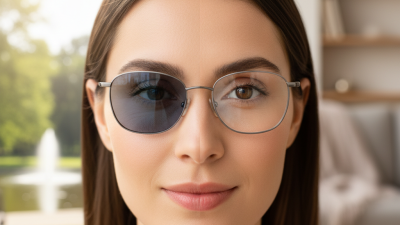
When selecting sunglasses, consider the environment you’ll be in. Will you be near water or snow? Polarized lenses are particularly effective in such conditions. They filter out horizontal light waves, minimizing glare from surfaces. This means clearer views and reduced eye strain.
However, not all polarized lenses are created equal. It’s important to choose a reputable brand that ensures quality. Some cheaper polarized options may not perform well. Reflect on how you plan to use your sunglasses. Do you need them for casual outings or intense sports? Knowing this can help make the right choice. Ultimately, investing in good polarized lenses pays off in comfort and protection.
Understanding Polarized Lenses and Their Benefits
Polarized lenses are a popular choice for sunglasses. They significantly reduce glare from reflective surfaces, like water or pavement. This feature makes them ideal for outdoor activities such as sailing or hiking. Many people notice a clearer view and less eye strain when wearing polarized lenses.
Understanding the benefits of these lenses is crucial. They offer enhanced contrast and color perception. This can make your surroundings look more vibrant and alive. However, not everyone may need polarized lenses. Some might prefer standard lenses for casual use. It’s essential to reflect on your needs and lifestyle choices before making a decision.
Another consideration is that polarized lenses can sometimes interfere with digital screens. This can be frustrating if you frequently use your phone or tablet outdoors. It's important to weigh the pros and cons carefully. Choose lenses that fit your specific requirements and ensure a comfortable experience no matter where you are.
Key Factors to Consider When Choosing Polarized Lenses
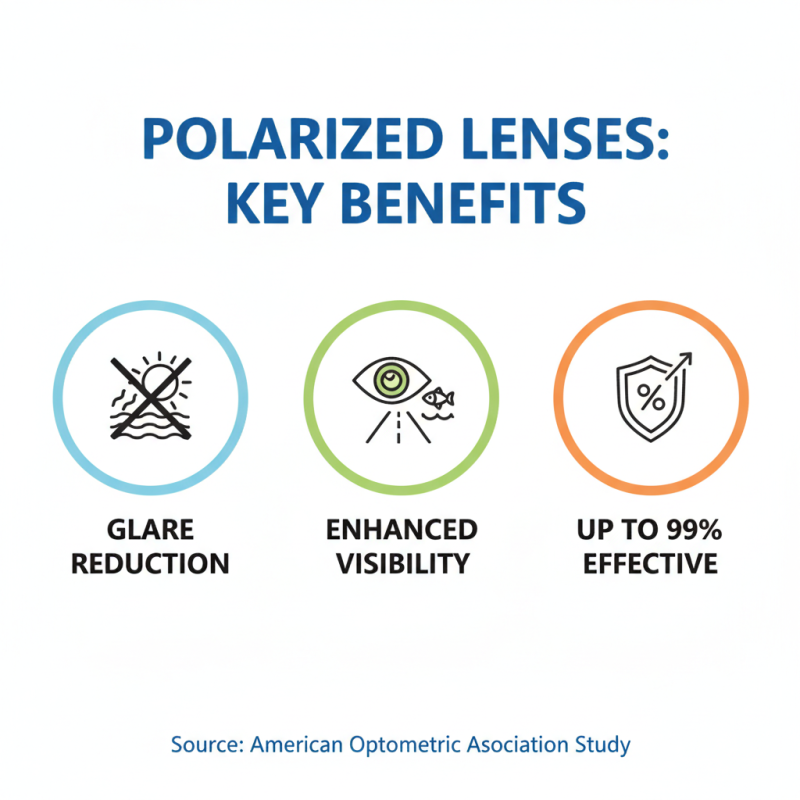
When selecting polarized lenses for sunglasses, several key factors come into play. The reduction of glare is the primary benefit of polarized lenses. According to a study by the American Optometric Association, glare from surfaces such as water and roads can be reduced by up to 99% with high-quality polarization. This feature enhances visibility, especially for outdoor activities like fishing or driving.
Lens color is another important consideration. Different colors can affect how you perceive the environment. Gray lenses maintain true color perception, making them ideal for general use. In contrast, brown or amber lenses enhance contrast and depth perception. In practical terms, this means that choosing the right color can improve your performance in various lighting conditions.
Additionally, lens material matters. Polycarbonate and Trivex are lightweight and impact-resistant, making them suitable for active lifestyles. However, they might scratch more easily than glass. In a study conducted by the Vision Council, 30% of people reported purchasing sunglasses without considering the material. This oversight could lead to dissatisfaction. Striking a balance between protection, performance, and comfort is vital for long-term satisfaction.
Different Types of Polarized Lenses Available in the Market
When choosing polarized lenses, it's crucial to understand the types available in the market. There are three primary categories: standard, high-performance, and photochromic. Standard polarized lenses block glare from reflective surfaces like water and roads. They are suitable for everyday use. High-performance lenses offer additional benefits, such as enhanced contrast and clarity, making them ideal for outdoor activities. Photochromic lenses adapt to changing light conditions. They darken in bright sunlight and lighten indoors.
According to a 2021 report by Vision Council, approximately 70% of sunglasses sold globally feature polarized lenses. This surge indicates a growing awareness of the benefits these lenses offer. However, it’s essential to note that not all polarized lenses are created equal. Some may have inadequate polarization strength, resulting in less effective glare reduction. Checking for certification or manufacturer testing can help ensure quality.
In the market, color options vary, impacting visual comfort. Gray, brown, and green are common choices. Each color filters light differently. For example, gray provides neutral color perception, while brown enhances contrast. Nevertheless, many consumers overlook the importance of color selection, leading to dissatisfaction. It’s vital to choose based on your environment and activities for optimal performance.
How to Choose Polarized Lenses for Your Sunglasses? - Different Types of Polarized Lenses Available in the Market
| Lens Type |
Key Features |
Best For |
Price Range |
| Standard Polarized |
Reduces glare from flat surfaces. |
Driving, Fishing, Boating |
$20 - $100 |
| Photochromic Polarized |
Adjusts tint according to light conditions. |
Outdoor Activities, Cycling |
$80 - $200 |
| Blue Light Blocking Polarized |
Blocks harmful blue light, reduces eye strain. |
Office Workers, Gamers |
$30 - $150 |
| Mirror Coated Polarized |
Reflective coating for added UV protection. |
Skiing, Surfing |
$60 - $250 |
| Gradient Polarized |
Darker at the top, lighter at the bottom. |
Fashion, Casual Wear |
$50 - $120 |
How to Test the Effectiveness of Polarized Sunglasses
When choosing polarized sunglasses, testing their effectiveness is crucial. Polarized lenses reduce glare from surfaces like water and roads. It improves visibility and reduces eye strain in bright conditions. A study found that 99% of polarized lenses can effectively block glare. But not all lenses are created equal.
To test your sunglasses, look for reflections. Hold them up to a reflective surface, like a window or water. Tilt your head slightly, and observe any changes in light intensity. If you notice a significant decrease in glare when tilting your sunglasses, they are likely polarized. Another practical method involves wearing them while driving or fishing. If reflections from cars or water decrease significantly, they are working as intended.
However, some users report disappointment with results. Not all polarized lenses are effective in every situation. Different lens colors and coatings can affect performance. Sometimes, consumers feel overwhelmed by the options available. It’s essential to know what you need in your lenses. Testing and personal experience are invaluable in finding the right pair.
Effectiveness of Polarized Sunglasses
Caring for Your Polarized Sunglasses for Longevity
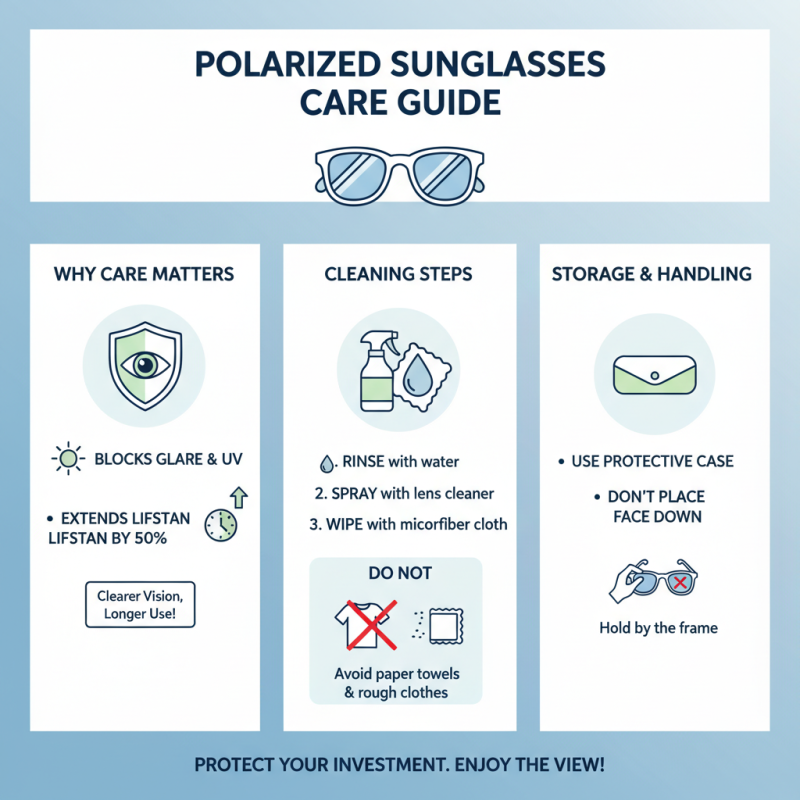
Caring for polarized sunglasses is essential for their longevity. These lenses block glare and protect your eyes. However, improper care can diminish their effectiveness. According to industry reports, proper maintenance extends the lifespan of sunglasses by up to 50%. This means you can enjoy clearer vision and prolonged use.
Tips: Always clean your sunglasses with a microfiber cloth. Avoid paper towels or clothing, as they can scratch the lenses. When not in use, store your sunglasses in a case. This simple gesture prevents accidental damage.
Additionally, be mindful of the environment where you wear your sunglasses. Extreme heat can warp frames while humid conditions may affect the lens coatings. While polarized lenses are durable, they are not invincible. Take time to inspect your sunglasses regularly. If you notice any scratches or defects, it may be time for a replacement. Sobering as it is, neglecting these details can lead to a decrease in visual clarity, which is not what you want.