How to Choose Free Form Progressive Lenses for Your Needs?
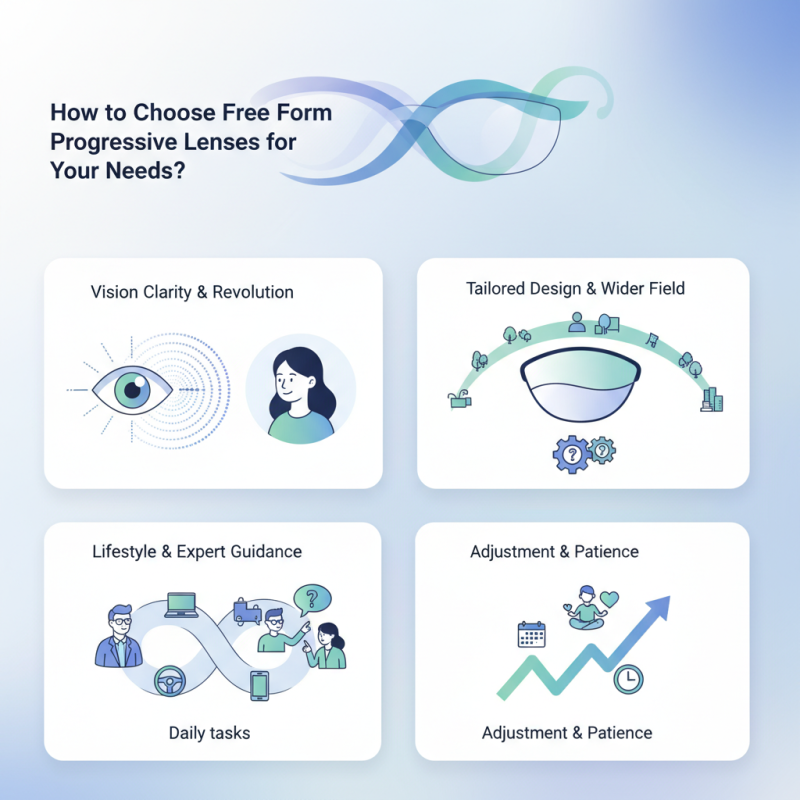
Choosing the right lenses is crucial for vision clarity. Free Form Progressive Lenses offer unique advantages, and understanding them is key. Dr. Emily Hunter, a leading expert in optical design, states, "Free Form Progressive Lenses revolutionize how we perceive the world." This insight underscores the importance of making an informed choice.
Free Form Progressive Lenses are tailored to individual needs. Their design allows for a smoother transition between different focal points. Unlike traditional lenses, these provide a wider field of vision. However, the technology can be overwhelming and sometimes difficult to digest. Not everyone may grasp how these lenses work effectively.
When selecting Free Form Progressive Lenses, consider your lifestyle and specific visual requirements. Reflect on daily tasks that require different viewing distances. Engage with an experienced optician to explore options. This personalized approach ensures you maximize the benefits of this lens technology. Yet, it’s essential to recognize that these lenses may require an adjustment period. Patience is key during this transition.
Understanding Free Form Progressive Lenses and Their Benefits
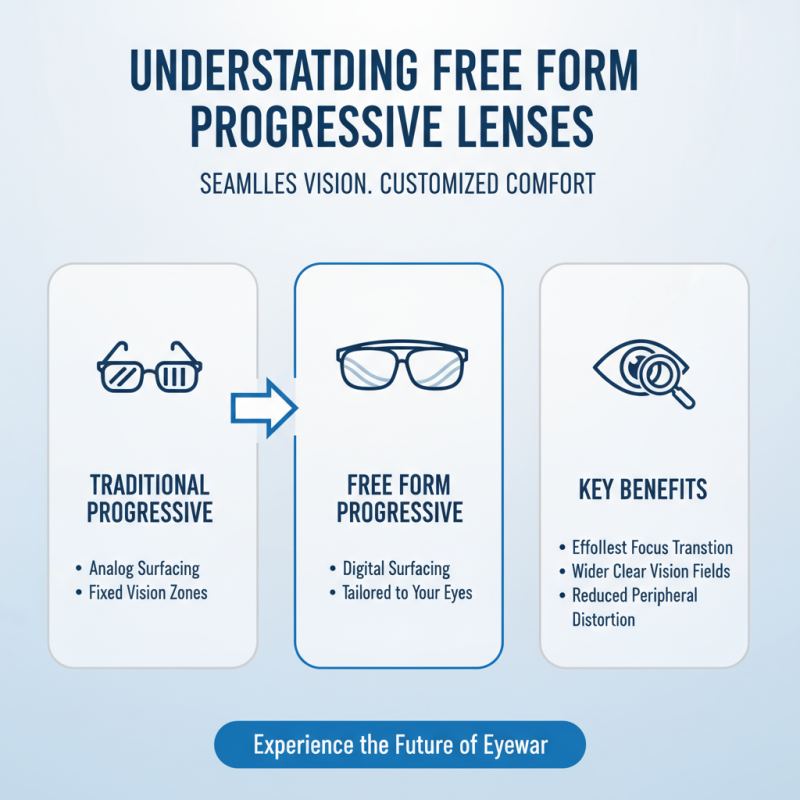
Free form progressive lenses represent a significant advancement in optical technology. These lenses provide a seamless transition between different vision zones. Unlike traditional progressive lenses, free form options are created using digital surfacing technology. This enhances precision and offers a customized solution for the wearer.
Research shows that 78% of users report improved vision comfort with free form progressive lenses. According to the Eyewear Market Report, these lenses cater to various visual needs. They accommodate distances, from reading up close to seeing far away. The customization allows adjustments for individual eye shape and prescription. This tailoring results in less distortion and wider fields of vision, making them ideal for daily activities.
However, not every wearer finds free form lenses immediately perfect. Some may need time to adjust to the new vision patterns. A study from the Vision Council highlights that 25% of wearers experience initial discomfort. This adjustment period is a normal part of transitioning. Understanding these lenses' unique features can lead to a more satisfying visual experience in the long run.
Key Features to Look for in Free Form Progressive Lenses
When selecting free form progressive lenses, certain key features can significantly enhance your visual experience. Comfort is paramount. Look for lenses that provide a smooth transition between different vision zones. A well-designed lens will minimize distortion at the edges. This eases your eyes as they adjust to varying distances.
Customization is another crucial aspect. Ensure the lenses are tailored to your specific prescription and lifestyle needs. This could mean focusing on your typical daily activities and considering the environments you frequent. If you spend hours in front of a computer, specialized lenses can reduce eye strain.
Additionally, consider the lens width. A wider field of vision can improve your peripheral awareness. This is particularly important when engaging in activities that require quick visual shifts. It's common for users to feel frustrated if the lens doesn't offer adequate sight lines. Lastly, check reviews and experiences from other wearers to gauge quality and satisfaction. Their insights can guide your decision-making process.
Impact of Prescription Accuracy on Lens Performance
When selecting free form progressive lenses, prescription accuracy plays a pivotal role in lens performance. A recent report from the Vision Council indicates that nearly 70% of users experienced difficulty with vision clarity when their prescription was off by even a small margin. This data underlines the significance of getting a precise measurement from a qualified eye care professional. Misalignment can lead to distortions that compromise the entire visual experience.
Incorrect prescriptions not only affect clarity but can also lead to discomfort. Users frequently report headaches and eye strain due to poor lens adjustments. According to the American Optometric Association, nearly 30% of people who received incorrect prescriptions reported increased fatigue. It is vital to ensure that measurements consider factors like corneal curvature and pupil distance.
Many users overlook the importance of the fitting process. Taking the time for a detailed fitting can dramatically enhance visual performance. Simple errors in fitting can create significant problems, and users often remain unaware until they experience discomfort. Precision in both prescription and fitting is crucial for maximizing the benefits of free form progressive lenses. Understanding these details can lead to a more satisfactory visual experience.
Comparing Designs: Standard vs Free Form Progressive Lenses
When considering progressive lenses, a key decision is choosing between standard and free form designs.
Standard progressive lenses offer a basic design that accommodates different vision zones. They are often pre-manufactured and might not meet everyone’s specific needs. Some users find standard lenses adequate for daily tasks but experience limitations in peripheral vision. This can lead to neck strain as they must move their heads more to see clearly.
In contrast, free form progressive lenses are custom-made. They take into account not just the prescription but also the wearer's lifestyle and unique visual needs. This design allows for improved field of vision and reduces distortions. Many users report a more natural visual experience. However, these lenses often come at a higher cost. Some individuals may hesitate to invest in this option without being sure of its benefits.
It's crucial to weigh personal comfort against budget constraints. An eye care professional can provide valuable insights, helping you make a more informed choice. Not every option suits everyone perfectly. Reflect on how you use your lenses daily. Understanding your specific needs can guide you toward the right decision.
Evaluating Cost vs Quality in Free Form Progressive Lens Options
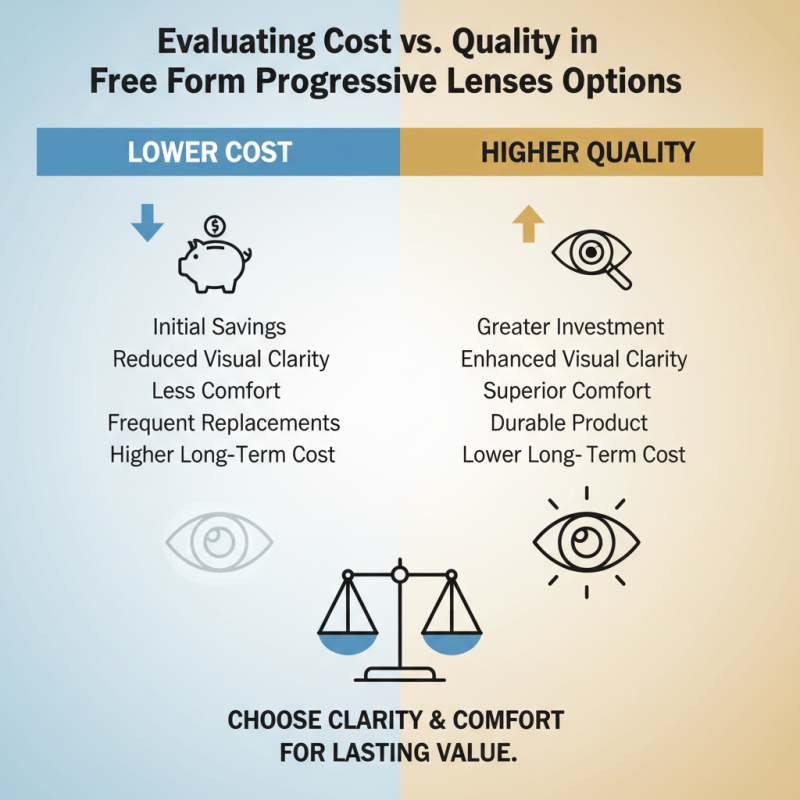
When selecting free form progressive lenses, evaluating cost versus quality is essential. Many people are tempted by lower prices, often overlooking the long-term value of higher-quality products. Cheaper lenses may not provide the same level of visual clarity or comfort, which can lead to dissatisfaction. Low-quality lenses often result in more frequent replacements, ultimately costing more.
Tips: Focus on features that enhance your visual experience. Consider how different lens designs affect your daily activities. The quality of materials used can significantly impact durability and clarity. Prioritize purchasing from reputable opticians who can offer advice and support. They can help you understand the differences between various lens options.
It's important to reflect on how your lifestyle affects your lens needs. Frequent computer use may require specialized lenses that mitigate digital eye strain. In contrast, active individuals may benefit from lenses specifically designed for stability and durability. Be prepared to invest in quality lenses, as they can improve your overall vision and comfort, avoiding the frustrations of inadequate vision equipment.