How to Choose Aspheric Eyeglass Lenses for Optimal Vision and Comfort?
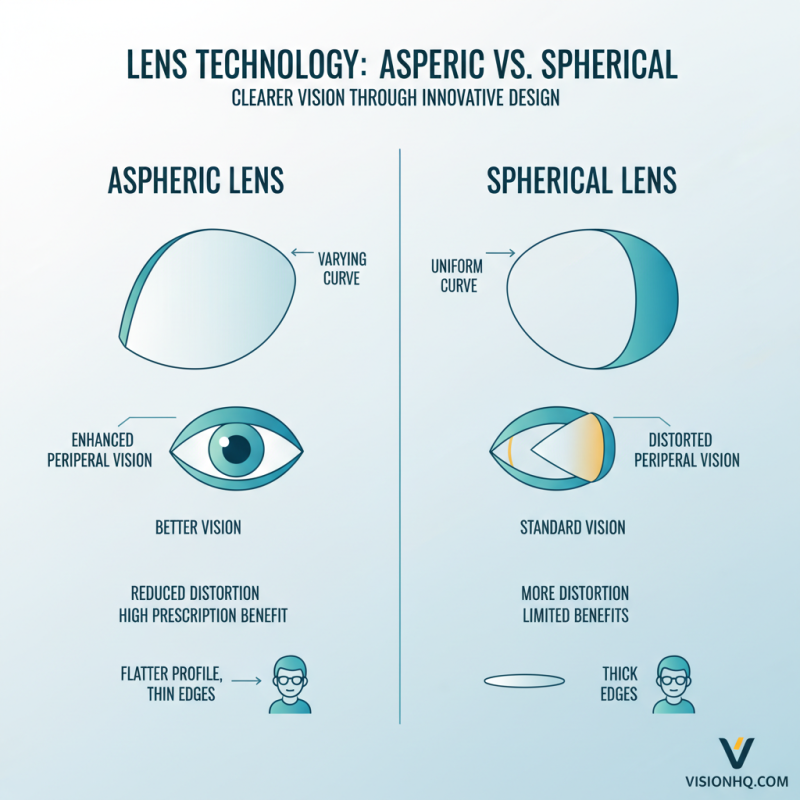
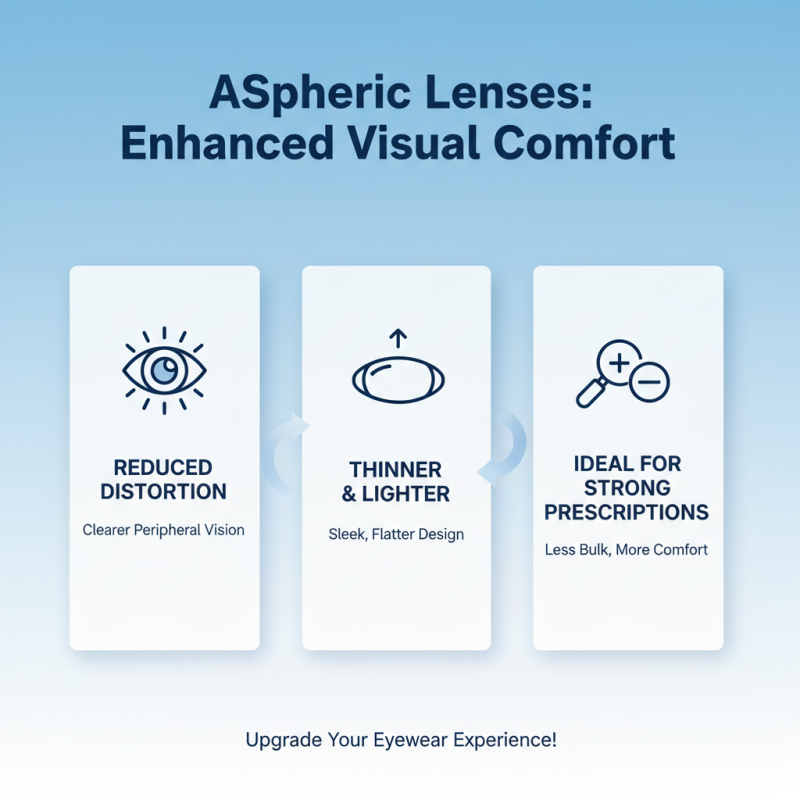
Choosing the right eyeglass lenses is crucial for clear vision and comfort. Aspheric eyeglass lenses have become increasingly popular for their unique design. These lenses provide a flatter profile, which reduces distortion and enhances peripheral vision.
When selecting aspheric lenses, it’s essential to consider various factors. Your prescription strength matters greatly. Higher prescriptions can benefit from aspheric designs. Additionally, the frame style and shape play a role in how comfortable the lenses will feel. A well-fitted frame complements the lens design, enhancing overall visual experience.
However, not everyone may find aspheric lenses perfect. Some people might experience a slight adjustment period. Others could notice minor distortions at the edges. Reflecting on these experiences can help you determine if aspheric lenses suit your needs. In any case, seeking professional advice can be beneficial.

Understanding Aspheric Lenses: Definition and Benefits for Vision Correction
Aspheric lenses are designed to provide better vision correction than traditional lenses. Unlike the spherical designs that curve uniformly, aspheric lenses have a varying curve. This allows for a flatter profile, reducing distortion and enhancing peripheral vision. They are beneficial for those with high prescriptions, as they minimize the thick edges typical of traditional lenses.
When choosing aspheric lenses, consider your everyday activities. If you spend a lot of time on the computer, look for options that reduce digital eye strain. Additionally, lens coatings can enhance comfort by reducing glare.
**Tips:** Always consult with your eye care professional. They can guide you on lens material and coatings. Testing different options can make a difference. Remember, the perfect lens for one person may not suit another. Listen to your eyes; they often know what they need. Find a balance between comfort and clarity.
The Role of Lens Thickness and Shape in Visual Comfort and Clarity
Choosing the right aspheric eyeglass lenses greatly impacts your visual comfort. The thickness of the lens plays a significant role in how your vision is experienced. Thicker lenses can cause distortion and weight, leading to discomfort. A lens that is too lightweight may not provide adequate support for your vision needs. Finding a balance is crucial.
Another factor is the shape of the lens. Aspheric designs offer a flatter profile. They reduce the visual distortion often seen in traditional lenses. However, not everyone adapts to this shape easily. Some users report that aspheric lenses can feel strange initially. It is essential to allow time for adjustment. Other users might experience varying light conditions differently with these lenses.
Paying attention to lens thickness and shape can improve both clarity and comfort. Poor choices can significantly affect your daily activities. When selecting lenses, consider personal experiences and visual habits. Don’t shy away from consulting an eye care professional for insights. Understanding your needs is key. Attention to detail will lead to a more satisfying vision experience.
How to Choose Aspheric Eyeglass Lenses for Optimal Vision and Comfort?
| Lens Shape |
Thickness |
Visual Clarity |
Comfort Level |
Recommended Usage |
| Standard Aspheric |
Medium |
Good |
Moderate |
Everyday Use |
| High-Index Aspheric |
Thin |
Excellent |
High |
Fashion & Style |
| Progressive Aspheric |
Variable |
Very Good |
Highly Comfortable |
Reading & Distance |
| Bifocal Aspheric |
Standard |
Good |
Moderate |
Dual-Use Functionality |
| Photochromatic Aspheric |
Thin |
Excellent |
Very High |
Outdoor Use |
Examining Prescription Types: How to Match Aspheric Lenses to Your Needs
Choosing the right aspheric lenses can greatly impact your visual comfort. Understanding your prescription type is essential. For instance, if you have a strong prescription, aspheric lenses can reduce distortion. They offer a flatter design, making them lighter and thinner. This is particularly beneficial for stronger prescriptions, which can feel heavy in traditional lenses.
However, not every lens suits every need. It is important to consider how you use your glasses. If you mostly read or work on a computer, you might want lenses that enhance near vision. People with astigmatism may find that certain aspheric designs help improve clarity. Experimentation can be key; some may need time to adjust to the different curvature of aspheric lenses.
Comfort is also subjective. Some feel that aspheric lenses provide a wider field of view. Others might struggle with the peripheral distortion. It’s vital to communicate with your eye care professional. They can guide you in selecting the lens that aligns with your lifestyle. Remember, prioritizing your vision needs in this decision is crucial, as comfort can vary widely from person to person.
Impact of Coatings and Treatments on Aspheric Lens Performance
Aspheric lenses are known for their ability to enhance vision quality. However, their performance can significantly depend on the coatings and treatments applied. A report by the Optical Laboratories Association highlights that over 30% of lens wearers notice improvements in visual clarity due to specialized coatings. These coatings not only reduce glare but also improve scratch resistance.
Anti-reflective coatings are crucial for reducing distractions. They minimize reflections, allowing more light to pass through the lens. In fact, studies show that lenses with these coatings can increase light transmission by up to 99%. This is especially beneficial for night driving or working in bright environments. Yet, many users overlook these features when choosing lenses, leading to inadequate visual experiences.
Hydrophobic and oleophobic treatments can enhance comfort. These coatings help repel water and oils, keeping lenses clearer and easier to clean. However, the durability of such treatments varies. A survey indicated that 40% of users encountered problems after a few months. This raises questions about long-term satisfaction. Reflecting on these factors can lead to better choices in lens selection.
Evaluating Cost versus Benefits: Making an Informed Decision on Aspheric Lenses
Aspheric lenses can greatly enhance vision clarity and comfort. Evaluating their cost versus benefits is crucial. These lenses are designed to reduce distortion. They often cost more than traditional lenses. However, the advantages may outweigh the price difference.
When considering aspheric lenses, think about your daily activities. If you spend long hours reading or using a computer, these lenses can reduce eye strain. They provide a wider field of view. For some, the investment may feel significant. You might hesitate due to the upfront cost. Reflect on how much you value clear vision and comfort.
Consulting with an eye care professional is essential. They can help you understand your needs. Discuss different lens options and their costs. This conversation can clarify if aspheric lenses are the right choice for you. Remember, vision health impacts your quality of life. Make an informed decision that aligns with your lifestyle.