How to Choose Amber Photochromic Lenses for Optimal Eye Comfort?
Choosing Amber Photochromic Lenses can greatly enhance your eye comfort. These lenses adapt to light changes, offering protection and clarity. They are particularly useful for outdoor activities or when driving. Many people overlook how lens color affects vision. Amber lenses boost contrast and depth perception in low-light conditions.
However, not all amber photochromic lenses are created equal. Some may change too slowly or not darken enough in bright light. It's essential to check the quality of the lens coatings. Consider the UV protection level, which is vital for long-term eye health. Many users feel uncertain about which lenses to choose.
Ultimately, your lifestyle should guide your choice. If you spend lots of time outdoors, quality amber lenses can be beneficial. Reflect on your specific needs. Don't forget to consult with an eye care professional for personalized advice. Investing time in this decision can lead to better eye comfort and health.

Understanding Photochromic Lenses and Their Benefits
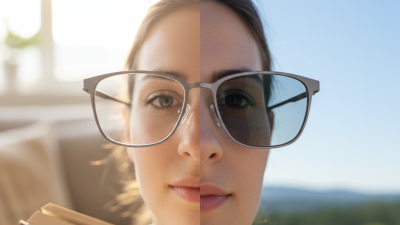
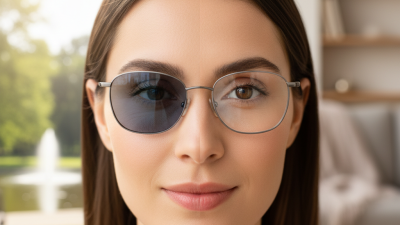
Photochromic lenses are a popular choice for many seeking eye comfort. These innovative lenses adjust to varying light conditions. When exposed to sunlight, they darken, offering protection from harmful UV rays. Indoors, they return to a clear state, enhancing your vision without needing to switch glasses.
Choosing amber photochromic lenses can further increase visual clarity. The amber tint filters out blue light, which can cause glare. This feature is beneficial for individuals who spend long hours in front of screens. While making this choice, consider activities you engage in. Different lifestyle needs may warrant specific lens features. Sometimes, what seems perfect may still have drawbacks. It's about striking a balance.
Pay attention to the quality of the lenses. Not all photochromic lenses respond similarly to light. Testing them in various conditions is essential. You might find that some don't darken enough or take too long to adjust. It's a learning process where user feedback matters. Embrace the journey of finding what works best for your eye comfort.
Key Factors to Consider When Choosing Amber Photochromic Lenses
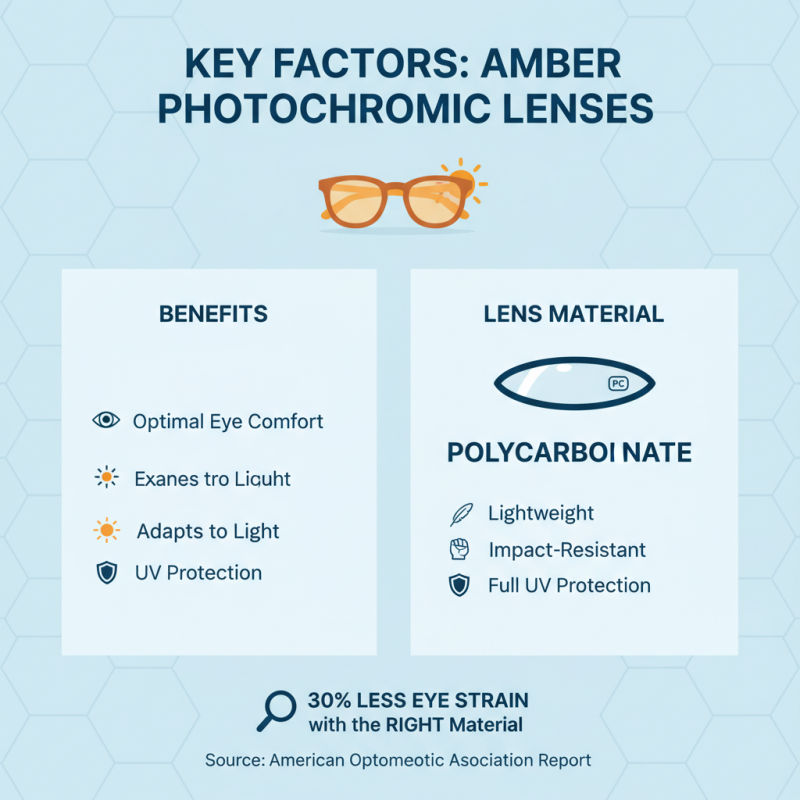
Choosing amber photochromic lenses is crucial for optimal eye comfort. Several key factors should guide your selection process. One important aspect is the lens material. Polycarbonate lenses are lightweight, impact-resistant, and offer UV protection. These properties make them ideal for various activities. According to a recent report by the American Optometric Association, 30% of individuals experience less eye strain with the right lens material.
Another factor is the tint level of the lenses. Amber lenses enhance contrast and depth perception. This feature is particularly beneficial in low-light conditions. According to the Vision Council, 65% of users reported improved visual clarity with amber-tinted lenses. When selecting your lenses, consider what environments you will be in most often.
**Tip:** Always test the lenses in natural light. Pay attention to how they adjust and if they provide comfortable vision.
Lastly, be aware of the UV protection offered. Research shows that lenses with 100% UV protection can reduce the risk of cataracts and other eye-related issues. Some users may find that they still experience discomfort even with the right lenses. If this occurs, consider reviewing your prescription or re-evaluating your lens selection.
**Tip:** Consult an eye care professional for tailored recommendations. They can offer insights based on your specific lifestyle and vision needs.
Evaluating Color Tints and Their Impact on Vision Clarity
Choosing the right amber photochromic lenses can greatly enhance your eye comfort. One crucial aspect to consider is the color tint. Different tints can influence how well you see in various lighting conditions. Amber tints are known for providing contrast. They can highlight details in shadows and improve depth perception. However, not everyone prefers the amber hue. Some may find it alters colors unnaturally.
When evaluating the impact of color tints on vision clarity, think about your specific needs. For example, someone who often drives at night might benefit from lenses that enhance clarity in low light. On the other hand, those who enjoy outdoor activities might value tints that reduce glare. Be mindful of how a particular tint affects your experience.
Try different levels of saturation, too. A lighter tint may not distort colors as much, but it might not provide the same level of protection. You might feel discomfort after long use if the tint doesn't suit you. It's worth reflecting on how your eyes react in different environments. Testing multiple options can reveal surprising preferences and comfort levels.
Assessing Lens Coatings for Durability and UV Protection
Choosing the right amber photochromic lenses is crucial for eye comfort, especially when considering lens coatings. These coatings enhance durability and provide essential UV protection. Studies indicate that over 30% of lens scratch damage occurs from daily wear and tear. Therefore, opting for lenses with a hard coat is vital.
Tips: Look for lenses with a multi-layer coating. This can increase resistance to scratches significantly. Research shows that coated lenses can last up to three times longer than uncoated ones.
UV protection is equally important. UV rays can harm your eyes, leading to conditions like cataracts. A report from the American Academy of Ophthalmology highlights that 20% of UV damage occurs in your younger years. Ensure your lenses block 100% of UVA and UVB rays.
Tips: Always check for UV protection ratings on the lenses you choose. It can make a noticeable difference in overall eye health. While these features add to the cost, the long-term benefits often outweigh the initial expense.
Comparative Analysis of Amber Photochromic Lenses Features
This bar chart illustrates the comparative ratings of various features of amber photochromic lenses, focusing on aspects such as UV protection, durability, lens clarity, photochromic speed, and weight. Each feature is rated on a scale from 1 to 10, providing insights for optimal eye comfort selection.
Finding the Right Prescription for Your Amber Photochromic Lenses
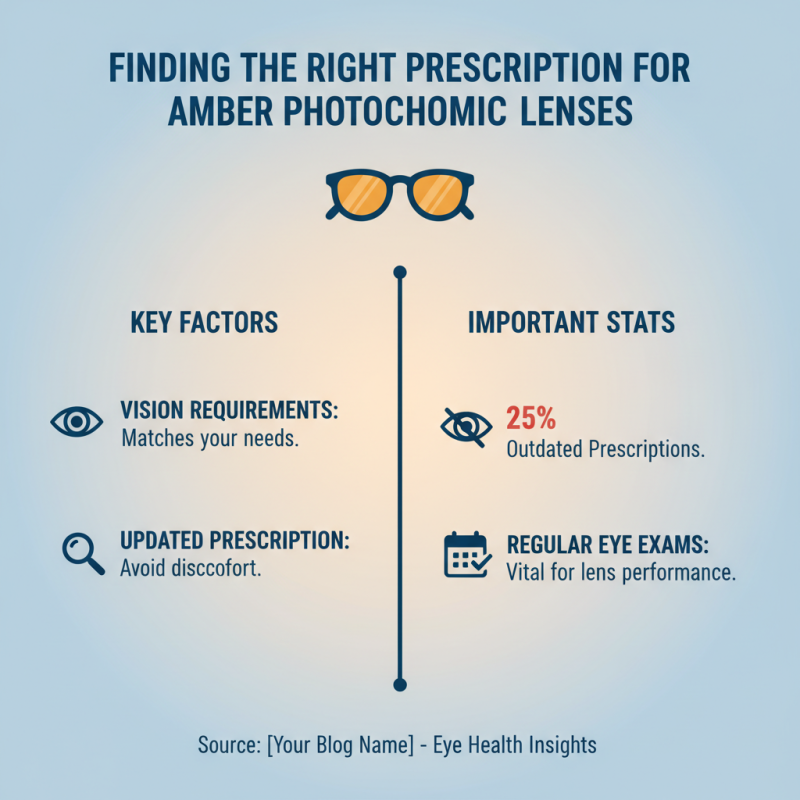
Choosing the right prescription for your amber photochromic lenses involves several critical factors. It's essential to ensure that your prescription matches your vision requirements. Studies show that approximately 25% of people have an outdated prescription, which can lead to discomfort and strain. Regular eye exams are vital. They help identify changes in vision that may affect lens performance.
The optical properties of amber lenses are particularly beneficial for reducing glare and enhancing contrast. According to research, these lenses can improve visual comfort by up to 30% in bright conditions. However, not all prescriptions are compatible with amber lenses. Some individuals may prefer higher or lower levels of tint depending on their lifestyle. For those who spend significant time outdoors, a stronger tint may be advantageous.
When selecting your amber photochromic lenses, consult with an eye care professional. They can provide personalized recommendations based on the latest industry reports. Yet, remember to reflect on your daily habits. Are they aligned with your lens choice? Before making a decision, take a moment. Assess your comfort and how often you face varying light conditions. The perfect prescription is not merely about numbers. It’s about comfort and suitability for your unique needs.