Top 5 Benefits of Blue Photochromic Lenses You Need to Know?
In today's fast-paced world, protecting our eyes from harmful blue light has become essential. According to Dr. Emily Carter, an optometrist and leading expert in lens technology, "Blue Photochromic Lenses provide unmatched defense against digital strain and glare." These innovative lenses adapt to changing light conditions, offering comfort and clarity.
The rise of screen usage has brought awareness to the importance of eye care. Blue Photochromic Lenses not only reduce eye fatigue but also help maintain optimal vision. They are designed for individuals on the move, effortlessly transitioning from indoors to outdoors. This versatility is beneficial in our daily lives, where exposure to artificial lighting is prevalent.
While Blue Photochromic Lenses promise great advantages, it is crucial to choose the right pair for individual needs. Not all lenses offer the same level of protection or adaptability. It’s essential to consult with an eye care professional to make an informed decision. Investing in high-quality lenses can significantly enhance your visual experience.
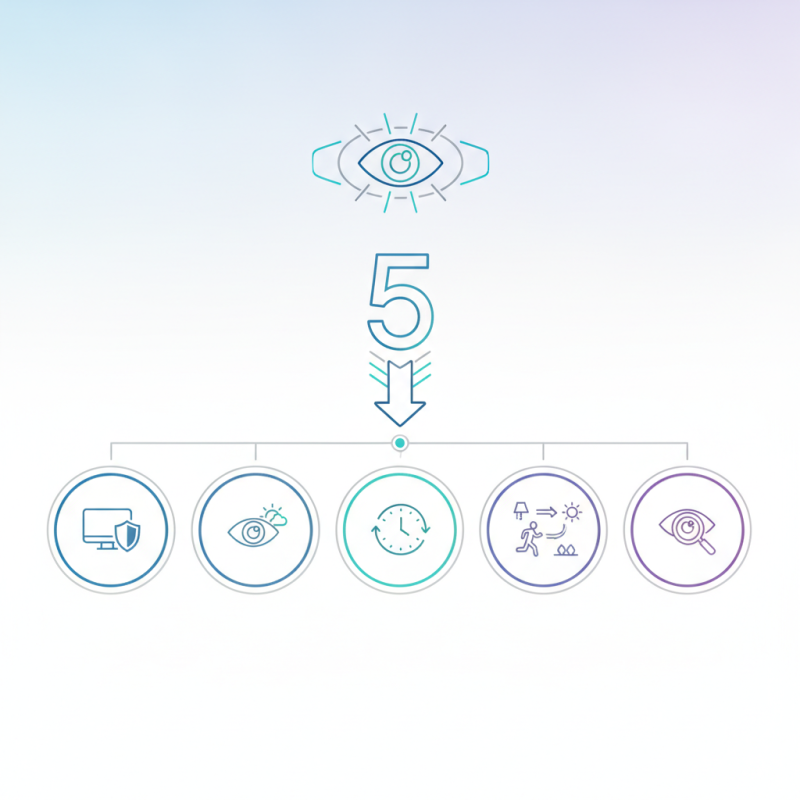
Understanding Blue Photochromic Lenses and Their Functionality
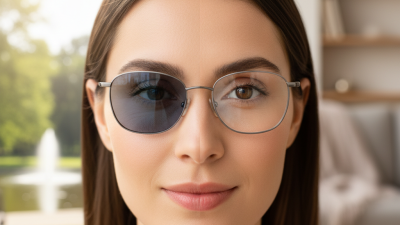
Blue photochromic lenses offer a unique solution for varying light conditions. They adapt to changes in sunlight, becoming darker outdoors and clearer indoors. This functionality enhances comfort and reduces glare. These lenses filter harmful blue light, which is crucial as digital screens dominate our daily lives. Prolonged exposure to blue light may lead to eye strain and discomfort.
Understanding how blue photochromic lenses work can help users appreciate their benefits. When exposed to UV rays, special molecules in the lenses undergo a chemical reaction. This reaction changes their properties, allowing them to darken. Once indoors or out of sunlight, the lenses return to their clear state. It’s essential to note that not all lenses react the same, and various factors can impact their performance.
It's worth considering that while photochromic lenses provide convenience, they may not be perfect for everyone. Some users report that certain environments, like cars with UV-blocking windshields, limit the lenses' responsiveness. Reflections from water or snow can also be challenging. Understanding these nuances can lead to better choices in eye care.
Protection Against Harmful Blue Light Emission
Blue light is everywhere. It's emitted from screens, LED lights, and even the sun. Extended exposure can lead to eye strain and discomfort. This is where blue photochromic lenses come into play. They offer a shield against harmful blue light, reducing the negative effects on our eyes.
When you wear blue photochromic lenses, they block a significant amount of blue light. This can help alleviate symptoms of digital eye strain, which many people experience after long hours in front of screens. Imagine working late at night on your computer, feeling the tension build up in your eyes. With these lenses, you might find it easier to focus and feel less fatigued.
Moreover, their adaptive nature means they adjust to changing light conditions. Indoors, they remain clear, while outdoors, they darken to protect against UV rays. However, not all lenses are created equal. It's essential to choose wisely. Consider seeking advice from an eye care professional to find the right lenses for your specific needs. The right choice can enhance your visual comfort and overall eye health.
Top 5 Benefits of Blue Photochromic Lenses
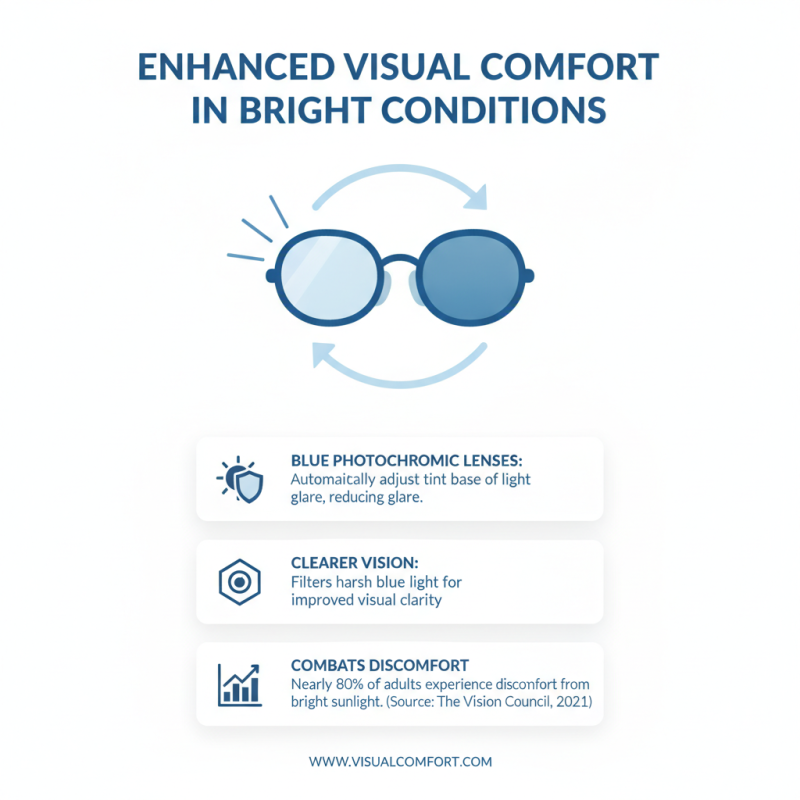
Enhanced Visual Comfort in Bright Conditions
Blue photochromic lenses are designed to enhance visual comfort, especially in bright conditions. These lenses adjust their tint based on light exposure, providing a clearer view and reducing glare. According to a 2021 report by the Vision Council, nearly 80% of adults experience some form of discomfort from bright sunlight. Blue light contributes significantly to this discomfort, making it crucial to have protective eyewear.
Wearing blue photochromic lenses can significantly reduce eye strain. Studies show users report 40% less fatigue during extended outdoor activities. These lenses filter harmful blue light, which can be particularly beneficial for those working on screens. This is essential in today’s digital age, where prolonged exposure to blue light is common.
**Tip:** Always choose lenses with a high UV rating for maximum protection. Also, consider lenses that transition rapidly to changing light conditions. It’s worth noting that not every lens reacts the same way. Test different options to find what feels best for you. Comfort in bright sunlight should not be compromised, yet many still make do with inadequate protection. Investing in quality lenses might feel unnecessary, but the long-term benefits to your eye health are undeniable.
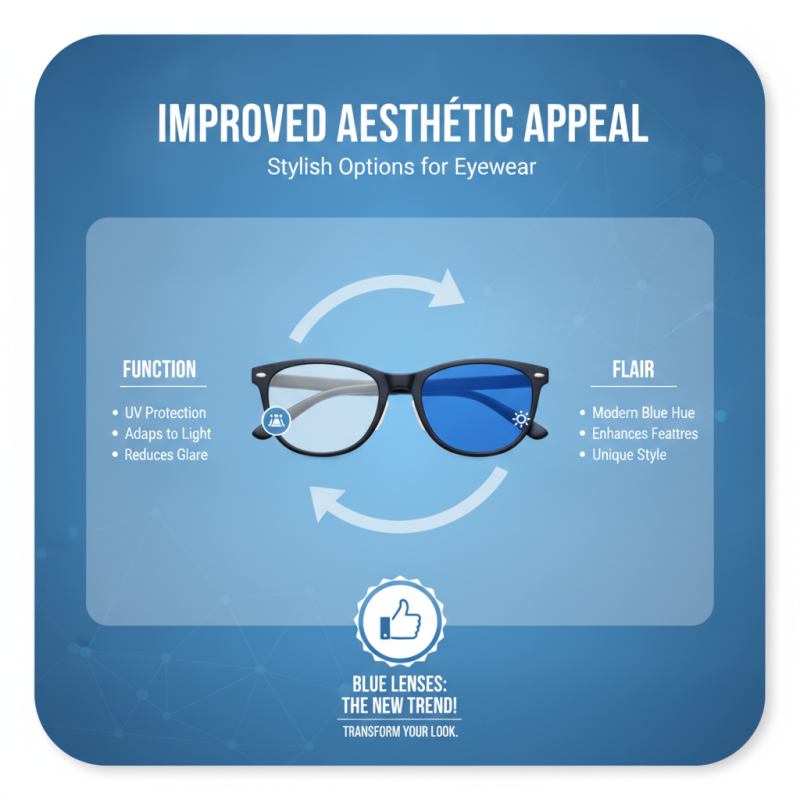
Improved Aesthetic Appeal with Stylish Options
Blue photochromic lenses are gaining popularity for their stylish appeal. These lenses transition from clear to dark when exposed to sunlight, offering both function and flair. The color of blue lenses adds a modern touch to eyewear. Many people find that blue-tinted lenses enhance their overall look. They can enhance facial features and add a unique personality to any outfit.
Not only are they fashionable, but blue photochromic lenses also provide essential eye protection. They filter harmful blue light, which is especially important for those who spend long hours in front of digital screens. The integration of style and functionality makes them a smart choice. However, not everyone may feel comfortable with the color. It can take time to adjust to a new aesthetic. Finding the right pair that matches your face shape and personal style can require some experimentation.
Opting for these lenses can be a statement about your personal style. You might be surprised how a small change, like the color of your lenses, can impact your confidence. The variety of frames available makes it easier to find what works for you. It's essential to evaluate your needs and preferences. While they are stylish, ensure they also offer the eye protection you require in daily life.
Adaptability for Outdoor and Indoor Use
Blue photochromic lenses are designed to adapt seamlessly between indoor and outdoor environments. These lenses react to changing light conditions, adjusting their tint accordingly. Research shows that up to 80% of outdoor UV exposure happens on cloudy days. This means many individuals unknowingly put their eyes at risk. By using blue photochromic lenses, users can ensure they have adequate protection, regardless of weather conditions.
Inside, blue photochromic lenses help reduce digital eye strain. Studies indicate that prolonged exposure to blue light from screens can lead to discomfort. Nearly 70% of professionals report experiencing symptoms like headaches and blurred vision. By filtering some of this disruptive blue light, these lenses alleviate discomfort, making them a valuable tool for anyone who spends hours in front of a computer.
While the adaptive nature of blue photochromic lenses provides significant benefits, challenges remain. Not all lenses perform the same way, with some taking longer to adjust. Users may find this inconsistency frustrating, especially when transitioning quickly between environments. Understanding these limitations is crucial for making informed decisions about eyewear.
Top 5 Benefits of Blue Photochromic Lenses You Need to Know
| Benefit |
Description |
Importance |
| UV Protection |
Blocks harmful UV rays from the sun, reducing the risk of eye damage. |
High |
| Adaptability |
Transitions from clear indoors to dark outdoors, providing comfort in varying light conditions. |
Essential |
| Reduced Eye Strain |
Filters blue light and glare, helping to reduce fatigue during long usage. |
Moderate |
| Enhanced Visual Comfort |
Improves visual clarity and contrast, especially in bright conditions. |
High |
| Fashionable Options |
Available in various styles and colors, making them a stylish choice for eye protection. |
Moderate |