2026 Best Polarized Lenses for Ultimate Eye Protection and Clarity?
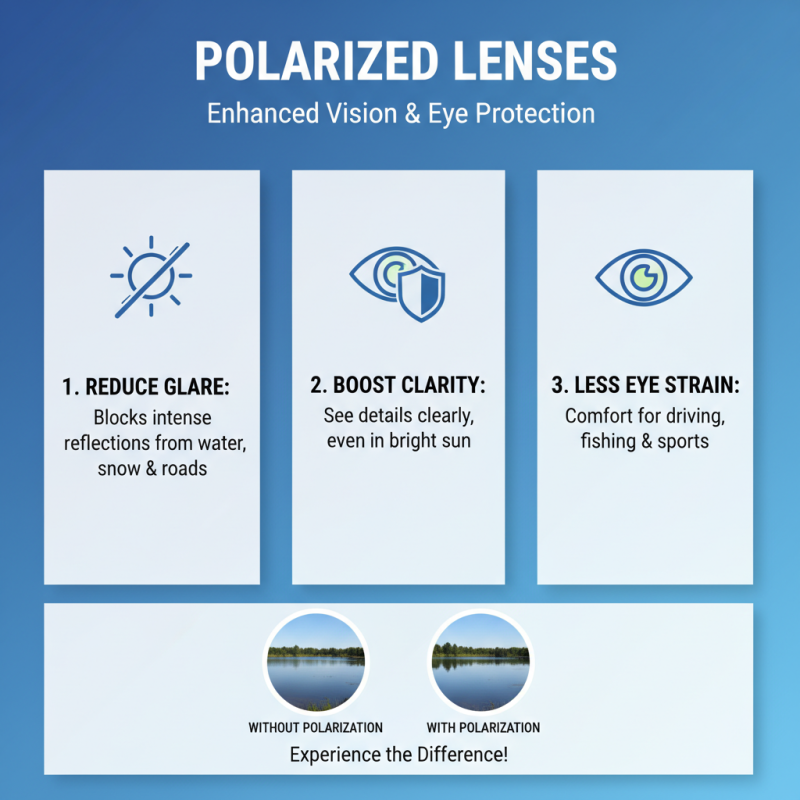
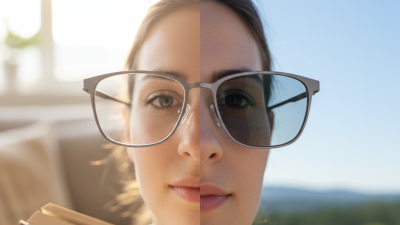
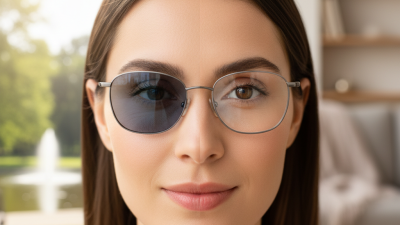
In the ever-evolving world of eye care, choosing the right eyewear is crucial. Polarized lenses stand out as a top choice for many individuals aiming for optimal eye protection. Renowned optical expert Dr. Sarah Jensen states, “Polarized lenses reduce glare, making your vision sharper and more comfortable.” Her insights emphasize the value of clarity in our daily lives.
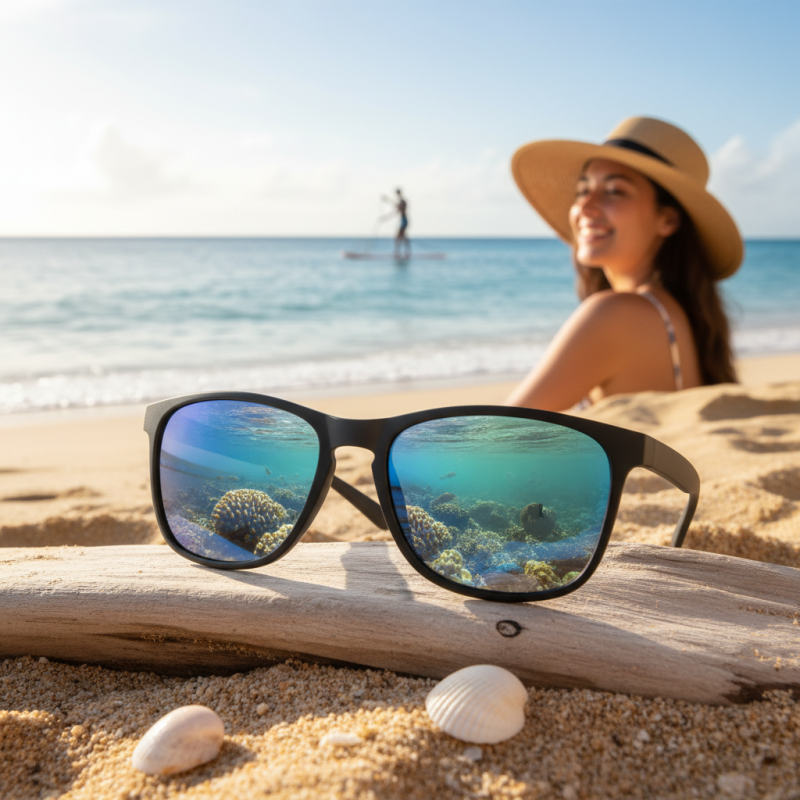
Imagine a day at the beach, where bright sunlight dances on the water’s surface. Without polarized lenses, the glare can hinder your vision. You might squint or feel discomfort. Polarized lenses cut through that glare, allowing you to enjoy the vibrant colors of the ocean. They are perfect not just for beach days but also for driving or outdoor sports.
However, not all polarized lenses are created equal. Some may lack adequate UV protection. Choosing high-quality polarized lenses is vital. Ask yourself: are you investing enough in your eye protection? As we explore the best options for polarized lenses in 2026, think about how these choices can enhance your life, ensuring your eyes remain healthy and clear.
Understanding Polarized Lenses: Benefits for Eye Protection and Clarity
Polarized lenses are a game changer for eye protection and clarity. They reduce glare from surfaces like water or snow. When driving or spending time outdoors, this feature enhances visibility. You can see details more clearly, especially in bright conditions. Many people report less eye strain after using these lenses. This can be crucial for activities like fishing or skiing.
However, polarized lenses are not without downsides. Some users find it difficult to read screens while wearing them. Certain types of digital displays can appear dark or distorted. Many don’t realize this until they’re in a situation that requires screen use. It’s an oversight that can lead to frustration. Understanding your environment is key when choosing polarized lenses.
Moreover, not every polarization level suits every activity. For high-speed sports, you may need specific lenses. What works for fishing may not be ideal for cycling. Trying different types before you settle on a pair can be beneficial. Paying attention to these details can help ensure better eye protection and clarity in various settings.
Key Features to Look for in High-Quality Polarized Lenses
When choosing high-quality polarized lenses, several key features stand out. First, consider the lens material.
Polycarbonate lenses are lightweight and impact-resistant. They provide excellent optical clarity.
Glass lenses, on the other hand, offer superior scratch resistance but can be heavier.
Think about your daily activities when making this choice.
Next, the level of UV protection is crucial. Look for lenses that block 100% of UVA and UVB rays. This is vital for eye health,
especially in bright conditions. Gradient lenses can also be helpful. They provide sun protection on top while allowing clear visibility at the bottom.
This balance can improve your overall experience in bright environments.
Don't overlook the lens tint. Different colors affect visibility and contrast.
Grey tints reduce brightness without distorting colors.
Brown tints enhance contrast, making them great for variable conditions.
Be mindful, though; some tints may not work as well in every situation.
Testing different options can be enlightening. It’s essential to consider how these features align with your lifestyle and preferences.
Top Brands in Polarized Lenses for 2026: A Comprehensive Overview
When choosing polarized lenses in 2026, clarity and eye protection are paramount. Many brands offer various options. Look for lenses that provide 100% UV protection to shield your eyes from harmful rays. A good lens will help reduce glare, enhancing visual comfort during outdoor activities.
Tip: Consider the lens color that best suits your environment. Grey lenses are great for bright days, while amber can enhance contrast in low light.
Also, think about the lens material. Polycarbonate lenses are lightweight and durable, making them ideal for sports or daily wear. However, some might find scratch resistance lacking.
Tip: Always clean your lenses with a microfiber cloth. Avoid harsh chemicals, which can damage the coating. Finding the right balance between price and performance is crucial for optimal eye protection.
Comparative Analysis: Polarized Lenses vs. Non-Polarized Options
When it comes to eye protection, polarized lenses outshine non-polarized options. They reduce glare significantly. This is crucial for activities like fishing or driving. Non-polarized lenses do not filter out horizontal light. This can lead to discomfort and eye strain. The difference is clear—polarized lenses provide enhanced clarity.
The color perception is also affected by lens type. Polarized lenses can improve contrast and depth perception. This means you can see colors more vividly. On the other hand, non-polarized lenses may distort colors. They might not offer the same visual richness. It's essential to weigh these options.
However, polarized lenses are not perfect. They can sometimes make digital screens hard to see. Certain activities may not require detailed vision, making non-polarized lenses sufficient. Reflecting on these factors helps in making a more informed choice. Ultimately, the decision should align with your lifestyle and needs.
Buying Guide: How to Select the Best Polarized Lenses for Your Needs
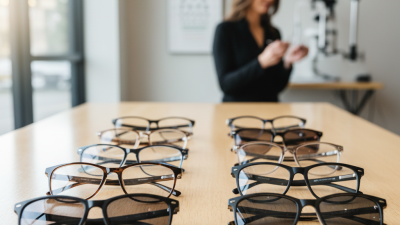
When choosing the best polarized lenses, consider your specific needs. What activities do you engage in? Whether it's fishing or driving, your lifestyle will influence your choice. For outdoor enthusiasts, look for lenses that enhance contrast. This helps you see beneath the water's surface clearly. Colors can also be a factor. Some prefer gray lenses for true color perception, while others like brown for better depth perception.
Lens materials matter too. Glass lenses offer superior clarity but can be heavier. Plastic lenses are lighter and more resistant to impact. Evaluate the protective coatings. Scratch-resistant coatings prolong the life of your lenses. Remember, not all polarized lenses are created equal. Some may not block glare effectively. Researching reviews can lead you to more reliable options.
Keep in mind that price can reflect quality. However, expensive doesn’t always mean better. There might be budget-friendly options that suit your needs perfectly. Comfort is key. Ensure the fit is right. Uncomfortable lenses can distract you during your activities. Ultimately, take your time to reflect on your preferences before making a decision.