Top 7 Types of Blue Cut Lens for Ultimate Eye Protection and Comfort
As digital screens have become an integral part of our daily lives, the significance of eye protection has never been more paramount. With increased exposure to blue light emitted by phones, computers, and tablets, many are turning to specialized eyewear designed to mitigate the potential harmful effects. Among the various options available, one of the most sought-after solutions is the Types of Blue Cut Lens. These lenses are specifically engineered to filter out blue light wavelengths, providing users with enhanced vision comfort and safeguarding their eye health.
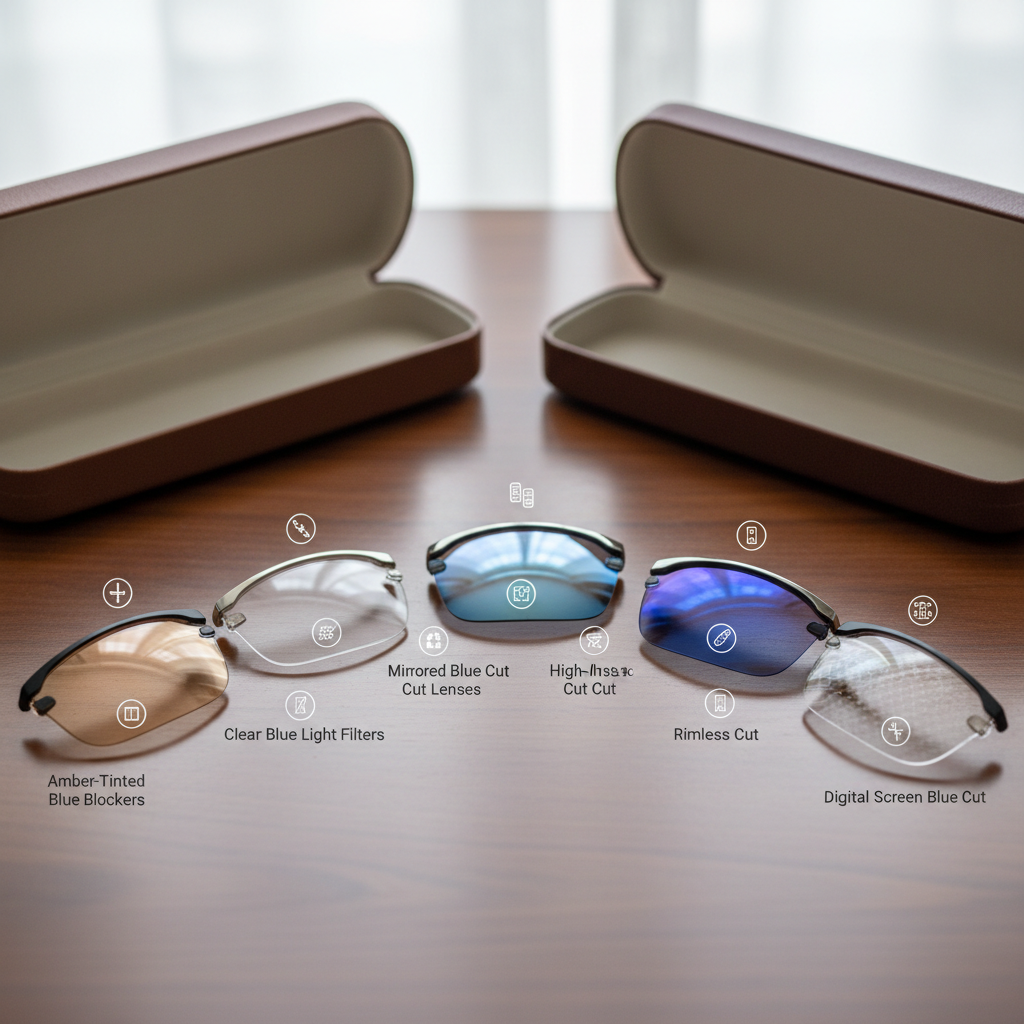
In this article, we will explore the top 7 types of blue cut lenses for ultimate eye protection and comfort. Each type offers unique features and benefits, catering to diverse needs and preferences. Understanding these variations not only helps consumers make informed choices but also highlights the advancements in lens technology aimed at preserving vision in an increasingly digital world. Join us as we delve into the key characteristics of these innovative lenses and discover which options may best suit your lifestyle and visual requirements.
Benefits of Blue Cut Lenses in Reducing Digital Eye Strain and Fatigue
Blue cut lenses have gained popularity as a solution for reducing digital eye strain and fatigue, particularly in our screen-dominated lives. However, recent studies—including those by the University of Melbourne—suggest that blue light from screens may not be the primary culprit behind eye discomfort. In fact, many blue-blocking glasses have been scrutinized for their efficacy in alleviating symptoms associated with prolonged screen time. The American Academy of Ophthalmology reports that several trials have shown little significant impact of these glasses on digital eye strain and overall sleep quality.
While blue light glasses may not provide the expected relief, there are effective strategies to manage digital eye strain. Proper vision correction is crucial, as is maintaining a comfortable workspace with the right posture. Regular breaks during screen use, known as the 20-20-20 rule—looking at something 20 feet away for 20 seconds every 20 minutes—can also help mitigate discomfort.
Tips: To enhance your digital eye wellness, consider increasing ambient lighting in your work area, which can reduce glare on screens. Investing in ergonomically designed furniture can make a significant difference in your overall comfort during long hours of computer use.
Comparison of Different Types of Blue Cut Lenses: Which Offers Optimal UV Protection?
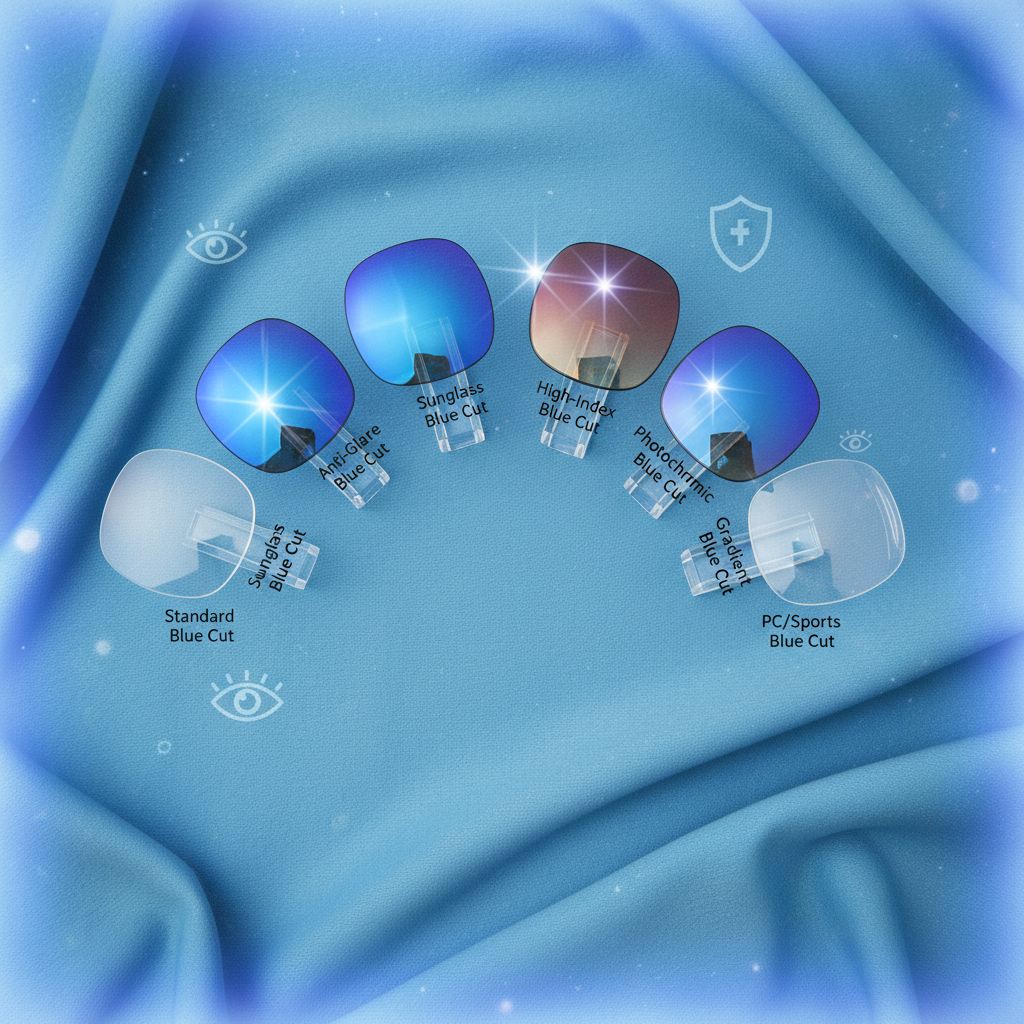
When it comes to eye protection, blue cut lenses have become increasingly popular due to their capability to filter harmful blue light emitted from screens. Different types of blue cut lenses are available, each designed with specific features that enhance UV protection. For instance, some lenses incorporate advanced coatings that effectively block not only blue light but also harmful UV rays. These coatings help reduce the risk of eye strain and long-term damage while ensuring maximum comfort during prolonged screen time.
Another important factor is the lens material itself. High-index plastic and polycarbonate lenses often provide superior UV protection compared to traditional glass lenses. Polycarbonate, in particular, offers a lightweight and impact-resistant option that is ideal for active lifestyles. Additionally, polarization may be featured in certain blue cut lenses, which further minimizes glare and enhances visual clarity. Comparing these different options helps consumers determine which blue cut lens best suits their needs, balancing comfort and optimal eye protection.
Cutting Through the Myths: Debunking Common Misconceptions about Blue Cut Lenses
When discussing blue cut lenses, many myths cloud their true efficacy and purpose. One prevalent misconception is that blue light filtering lenses are only necessary for those who spend excessive time in front of screens. In reality, studies demonstrate that blue light is emitted not only by digital devices but also by natural sunlight, making these lenses beneficial for everyone, regardless of their screen time. According to a report from the American Optometric Association, prolonged exposure to blue light can contribute to digital eye strain, increasing discomfort and reducing productivity.
Another common belief is that blue cut lenses distort color perception. However, advancements in lens technology have mitigated this concern significantly. A study published in the Journal of Optical Technology found that modern blue light blocking lenses are designed to filter harmful high-energy visible (HEV) light without significantly altering the color spectrum. This means that users can enjoy vibrant color accuracy while protecting their eyes. By understanding these facts, consumers can make informed decisions about the types of lenses that not only enhance comfort but also safeguard eye health in an increasingly digital world.
The Role of Blue Light Filtration in Sleep Quality and Circadian Rhythms
Exposure to blue light, particularly from screens, has been linked to various sleep disturbances and disruptions in circadian rhythms. According to a study published in the Journal of Clinical Sleep Medicine, adults exposed to blue light in the evening take longer to fall asleep and report lower sleep quality. This can be attributed to blue light's ability to inhibit the production of melatonin, a hormone crucial for regulating sleep-wake cycles. As our reliance on digital devices continues to grow, understanding the role of blue light filtration is essential for maintaining optimal sleep quality.
Tips for minimizing blue light exposure include adopting the use of blue cut lenses while using digital devices. These lenses can significantly reduce the amount of blue light entering the eyes, helping to maintain the natural circadian rhythm. Additionally, consider implementing the "20-20-20 rule" – every 20 minutes, look at something 20 feet away for at least 20 seconds to alleviate eye strain and give your eyes a break from digital screens.
Investing in blue cut lenses can be a game-changer for those struggling with sleep quality, especially individuals who spend extended hours in front of screens. A 2021 report from the Vision Council found that nearly 70% of adults experience symptoms of digital eye strain, highlighting the critical need for protective eyewear. Embracing blue light filtration is not just a trend, but a necessary step towards enhancing overall well-being and promoting better sleep hygiene.
Latest Innovations in Blue Cut Lens Technology for Enhanced Comfort and Clarity
Recent advancements in blue cut lens technology have dramatically transformed the eyewear industry, focusing on enhancing both comfort and clarity for users. In today's digital age, where exposure to screens has become ubiquitous, the demand for effective blue light filtration has surged. According to a report by the Vision Council, nearly 80% of adults experience digital eye strain, highlighting the necessity for protective eyewear. Innovative blue cut lenses now come with enhanced coatings that optimize clarity while providing superior defense against harmful blue light emitted by screens.
One of the latest innovations is the incorporation of adaptive photochromic properties in blue cut lenses. These lenses not only filter blue light but also adjust to varying light conditions, ensuring optimal comfort during outdoor activities. Additionally, anti-reflective coatings have been improved, minimizing glare and enhancing visual clarity. A study presented at the Optical Society's annual meeting indicated that users of these advanced lenses reported a 30% reduction in eye strain and fatigue after prolonged screen time.
**Tip:** When selecting blue cut lenses, consider those with anti-reflective and photochromic features for maximum protection and comfort.
Another noteworthy trend is the integration of specialized materials that enhance durability without adding weight. With a growing emphasis on fashion, these innovative lenses are designed to meet aesthetic preferences while providing essential eye protection. By choosing the right blue cut lenses, users can significantly mitigate the risk of digital eye strain and enjoy improved visual experiences throughout their daily activities.
**Tip:** Always choose lenses that are certified for blue light protection, providing peace of mind that your eyes are well-protected.
Top 7 Types of Blue Cut Lens for Ultimate Eye Protection and Comfort
This chart illustrates the effectiveness of various blue cut lens types in providing eye protection and comfort during prolonged screen use. The data showcases user satisfaction and comfort levels associated with each lens type.