Top 10 Glasses Lens Index Options for Optimal Vision Correction Insights
In the realm of eyewear, choosing the right glasses lens index is crucial for optimal vision correction. With a variety of options available, it’s important to understand how different lens indices affect clarity, thickness, and overall aesthetics. Dr. Lisa Hartman, a renowned optometrist and lens technology expert, states, "The right glasses lens index not only improves vision but also enhances comfort and style." This insight sheds light on the significance of selecting the appropriate index to cater to individual visual needs.
As we explore the top 10 glasses lens index options, it’s vital to consider factors like prescription strength, lifestyle, and personal preferences. The right index can drastically change the user's experience from everyday durability to advanced lightness. For example, higher index lenses are often thinner and lighter, making them a preferred choice for those with strong prescriptions. This guide aims to provide valuable information on the most effective lens indices to help you make informed decisions on your eyewear journey.
Whether you need lenses for reading, driving, or outdoor activities, understanding the glasses lens index options is key to achieving not just vision correction but also maintaining a fashionable appearance. By delving into the top ten selections, you'll be well-equipped to enhance your visual experience while making a statement with your glasses.
The Importance of Lens Index in Vision Correction: Understanding the Basics
When it comes to vision correction, understanding lens index is essential. The lens index refers to the refractive power of the lenses; that is, how efficiently they bend light to correct vision. Higher index lenses are thinner and lighter, making them a popular choice for individuals with stronger prescriptions. For those who might find heavy, thick lenses uncomfortable, selecting a higher index option can significantly enhance comfort and aesthetic appeal.
Tip: When choosing lenses, consider your daily activities. If you engage in sports or outdoor activities, look for impact-resistant options that maintain the desired lens index. This balance ensures optimal clarity without compromising safety.
Moreover, it's important to recognize that different lens materials come with various index options. High-index plastic lenses, for example, provide excellent visual correction while being more lightweight than traditional glass lenses. This is particularly beneficial for those who require significant vision correction.
Tip: Consult with your eye care professional to determine the best lens index based on your prescription and lifestyle needs. Having the right advice can help you make an informed decision, ensuring your lenses not only correct your vision effectively but also cater to your daily comfort.
Top 10 Glasses Lens Index Options for Optimal Vision Correction Insights
| Lens Index |
Material |
Recommended Prescription Range |
Weight (grams) |
UV Protection |
| 1.50 |
Polycarbonate |
Up to -3.00 / +3.00 |
30 |
Yes |
| 1.59 |
High Index Plastic |
Up to -4.00 / +4.00 |
25 |
Yes |
| 1.61 |
Trivex |
Up to -5.00 / +5.00 |
24 |
Yes |
| 1.67 |
High Index Plastic |
Up to -6.00 / +6.00 |
22 |
Yes |
| 1.74 |
Ultra High Index Plastic |
Up to -8.00 / +8.00 |
18 |
Yes |
| 1.70 |
Polycarbonate |
Up to -7.00 / +7.00 |
20 |
Yes |
| 1.75 |
High Index Glass |
Up to -9.00 / +9.00 |
21 |
Yes |
| 1.80 |
Ultra High Index Glass |
Up to -10.00 / +10.00 |
17 |
Yes |
| 1.90 |
Premium High Index |
Up to -12.00 / +12.00 |
16 |
Yes |
Comparative Analysis of the Top 5 Glasses Lens Index Options in 2025
With advancements in lens technology, choosing the right glasses lens index has become crucial for optimal vision correction. A comparative analysis of the top five glasses lens index options in 2025 reveals significant improvements in clarity, weight, and comfort. According to the Optical Lens Manufacturers Association, lenses with a higher index, such as 1.74 and 1.67, offer thinner profiles while enhancing visual acuity significantly. These high-index lenses not only cater to strong prescriptions but also provide a stylish, lightweight solution that is increasingly favored by consumers.
When selecting a lens index, consider your personal prescription and lifestyle. For instance, individuals with high prescriptions should prioritize high-index lenses for improved aesthetics and reduced distortion. Furthermore, the integration of anti-reflective coatings can enhance the overall visual experience by minimizing glare.
**Tips:** Always consult with an eye care professional to determine the most compatible lens index for your specific needs. Additionally, consider anti-scratch and UV protection features to prolong the lifespan of your lenses and safeguard your eye health. As technology continues to evolve, staying informed about the latest trends in lens indices will empower you to make better choices for your vision correction.
Benefits of Higher Index Lenses: Weight, Thickness, and Aesthetic Advantages
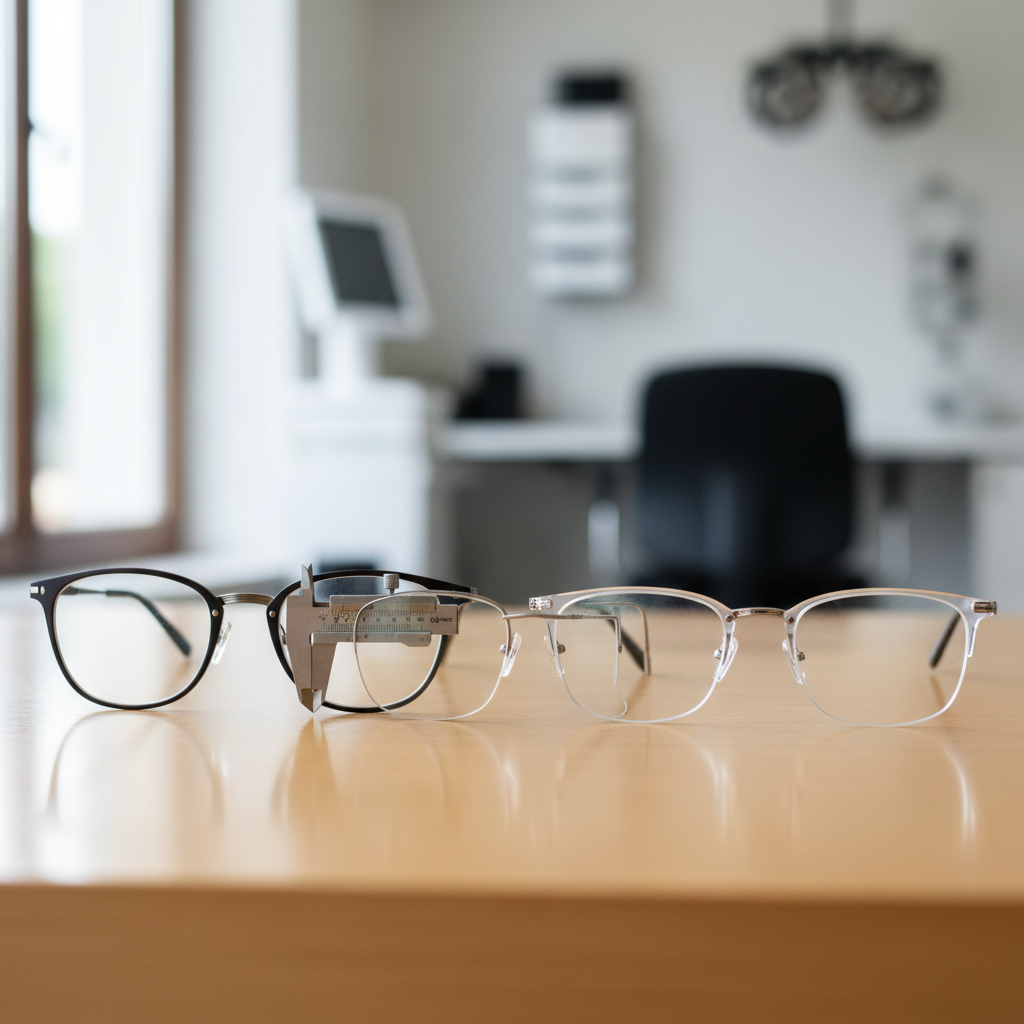
Higher index lenses are becoming increasingly popular among individuals seeking vision correction, thanks to their unique benefits in weight, thickness, and aesthetics. Lenses with a higher refractive index – typically starting at 1.56 and going up to 1.74 or beyond – allow for thinner and lighter designs without compromising on optical performance. According to the American Optometric Association, patients opting for high-index lenses can experience a 20% reduction in thickness compared to standard plastic lenses, making them a favorable choice for those with strong prescriptions.
The aesthetic advantage of high-index lenses is particularly noteworthy. As thicker lenses can start to distort facial proportions, individuals wearing high prescriptions can find them less flattering. A study published in the Journal of Vision Science revealed that wearers of higher index lenses reported a significant improvement in their overall appearance, which directly contributes to higher confidence levels. Additionally, lighter lenses reduce pressure on the nose and ears, increasing comfort for everyday wear. With advancements in lens technology and increased awareness about these benefits, higher index lenses are propelling a shift towards both functional and fashionable eyewear choices.
Industry Trends: How Consumer Preferences are Shaping Lens Index Options in 2025
As we move towards 2025, the lens index options available to consumers are rapidly evolving, driven largely by shifting consumer preferences and the advancements in optical technology. Today's consumers are increasingly informed and health-conscious, seeking lenses that not only offer superior vision correction but also enhance their overall lifestyle. High-index lenses are becoming more popular among those with strong prescriptions, as they are thinner, lighter, and more comfortable, minimizing the bulk associated with traditional lenses. This trend reflects a broader move towards personalization in eyewear, where consumers prioritize both aesthetics and functionality.
Additionally, sustainability is becoming a significant factor influencing consumer choices in the lens market. Eco-friendly lens materials and production processes are gaining traction as more consumers express a desire to support brands that align with their environmental values. By 2025, we can expect to see a greater variety of lens options that cater to these preferences, including biodegradable materials and responsibly sourced components. The interplay between optical performance and sustainability will likely shape the future landscape of lens index options, making it essential for manufacturers to innovate and adapt to meet these emerging demands.
Future Innovations in Lens Technology: What’s Next for Optimal Vision Correction?
The future of lens technology holds exciting prospects for optimal vision correction. Innovations in materials and design are paving the way for lighter, thinner lenses that retain durability while providing enhanced clarity. As research advances, we can expect lenses incorporating advanced coatings that reduce glare and improve scratch resistance, ensuring longevity and comfort for users.
Moreover, the integration of smart technology into eyewear is on the horizon. These smart lenses may feature adaptive optics, adjusting automatically to various lighting conditions, or augmented reality capabilities that overlay digital information onto the real world. Such advancements could revolutionize the way individuals interact with their surroundings, enhancing not only vision correction but also overall functionality in daily life. As the industry looks ahead, the focus will be on creating personalized solutions that cater to individual visual needs, charting a new course for effective vision correction in the years to come.
Top 10 Glasses Lens Index Options for Optimal Vision Correction
This chart displays the refractive index options for glasses lenses, showing various lens materials and their corresponding indices. The higher the index, the thinner and lighter the lens can be, which is important for optimal vision correction.