What are Photosensitive Lenses and How Do They Work for Eye Protection
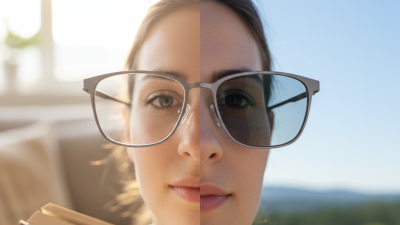
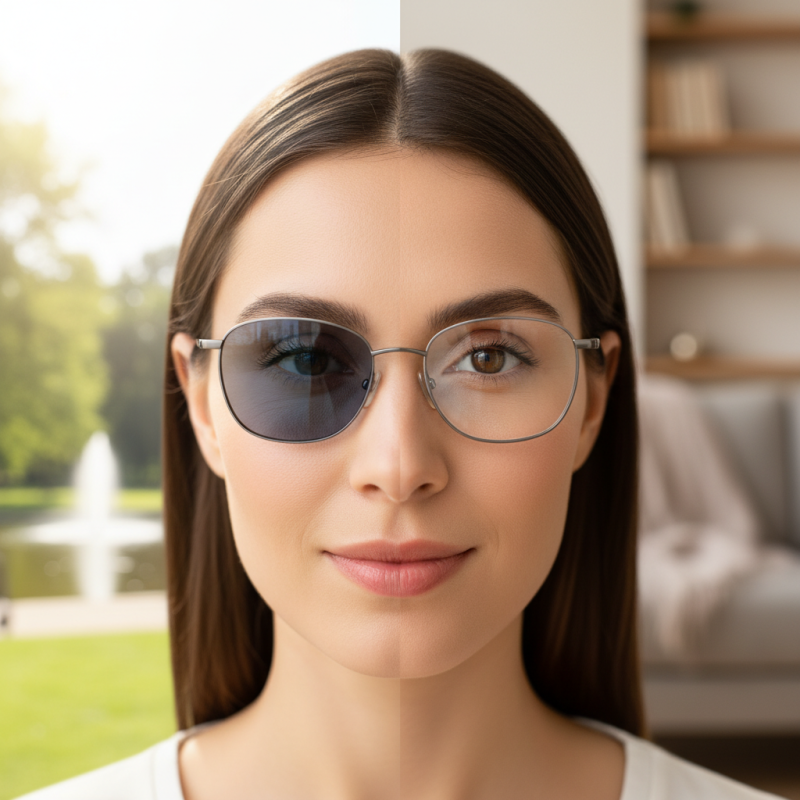
Photosensitive lenses, often known as photochromic lenses, are revolutionizing the way we protect our eyes from harmful UV radiation and glare. According to Dr. Emily Stanton, a leading expert in ocular health, “The adaptability of photosensitive lenses means they provide optimal eye protection, adjusting seamlessly to changing light conditions.” These innovative lenses darken when exposed to sunlight and return to a clear state indoors, ensuring that users benefit from enhanced comfort and visual clarity throughout their daily activities.
As the importance of eye protection continues to gain recognition in the realm of public health, photosensitive lenses have emerged as an effective solution for individuals seeking relief from glare and safeguarding their vision from the sun’s potentially damaging rays. With increasing awareness of the long-term impact of UV exposure on eye health, products that integrate advanced technology like photosensitive lenses are becoming essential for consumers in various environments, whether it's at work, while driving, or enjoying outdoor activities.
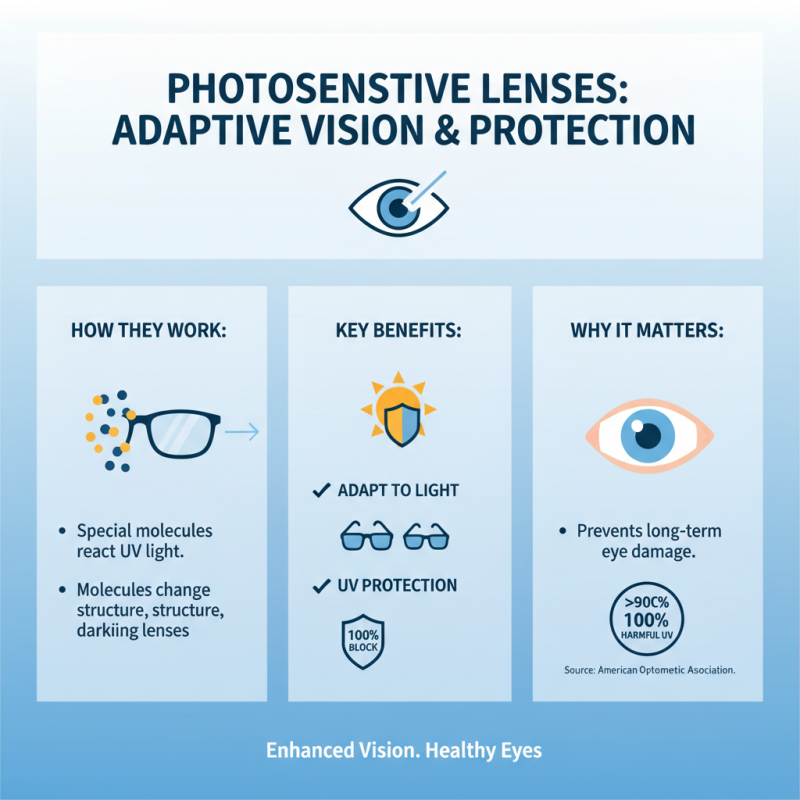
The mechanics behind these lenses can be attributed to special molecules within the lens material that respond to UV light. When sunlight strikes the lenses, these molecules undergo a chemical reaction that causes the lenses to darken, thus providing shade and protecting the eyes. This process not only enhances comfort but also plays a crucial role in preventing conditions linked to UV exposure, such as cataracts and macular degeneration. As we delve deeper into the workings and benefits of photosensitive lenses, it becomes clear that they are a vital asset in the modern pursuit of eye health.
What Are Photosensitive Lenses?
Photosensitive lenses, often referred to as photochromic lenses, are specialized eyewear designed to adapt to varying light conditions. These lenses contain molecules that change structure when exposed to ultraviolet (UV) light, which causes them to darken. This ability to transition from clear to tinted provides effective eye protection against the harmful effects of UV rays, making them ideal for individuals who spend a lot of time outdoors.
When choosing photosensitive lenses, consider your lifestyle and specific needs. For instance, if you frequently move between indoor and outdoor environments, these lenses can enhance comfort by minimizing glare and reducing eye strain in bright sunlight. It’s best to consult an eye care professional to ensure that you select the right type of lenses that align with your vision requirements.
**Tips:** Always check for the level of UV protection offered by the lenses; ensuring they block 100% of UVA and UVB rays is critical for eye health. Additionally, keep in mind that photosensitive lenses may react slower in extreme temperatures, so it’s worth having a backup pair of non-tinted sunglasses when you're exposed to intense sunlight. Lastly, regular cleaning and proper storage can prolong the life of your photosensitive lenses, keeping your vision clear and protected.
What are Photosensitive Lenses and How Do They Work for Eye Protection
| Dimension |
Description |
| Definition |
Photosensitive lenses are optical lenses that darken upon exposure to sunlight and return to a clear state in low light conditions. |
| Functionality |
They protect eyes from harmful UV rays and reduce glare while enhancing visual comfort. |
| Material |
Typically made from polycarbonate or high-index plastic, which are lightweight and impact-resistant. |
| Health Benefits |
Reduce eye strain, protect against damage from blue light, and help prevent cataracts and macular degeneration. |
| Usage Scenarios |
Ideal for outdoor activities, driving, and daily wear for individuals with light sensitivity. |
| Limitations |
May not work effectively in cars due to the windshields blocking UV rays; may take time to adjust between dark and light conditions. |
The Science Behind Photosensitive Lens Technology
Photosensitive lenses, also known as photochromic lenses, are designed to adapt to varying light conditions, providing wearers with enhanced vision and protection against harmful ultraviolet (UV) rays. The science behind this technology lies in special molecules embedded within the lens material, which respond to UV radiation. When exposed to sunlight, these molecules change their structure, causing the lenses to darken. According to a report by the American Optometric Association, more than 90% of photochromic lenses block 100% of harmful UV rays, which is essential for preventing long-term eye damage.
The mechanisms at play involve both reversible chemical reactions and the principles of optics. As the UV light intensity increases, the lenses transition to a darker tint, thus reducing glare and improving visual comfort. Conversely, when the light levels decrease, the lenses gradually return to their clear state. Research from the Vision Council indicates that over 50% of adults are concerned about the effects of UV exposure on their eyes, underscoring the importance of photochromic technology in everyday eyewear. Additionally, advancements in material science have led to the development of faster-reacting lenses, providing immediate relief from bright sunlight—a feature that can be especially beneficial for outdoor enthusiasts.
How Photosensitive Lenses Adapt to Light Conditions
Photosensitive lenses, also known as photochromic lenses, are designed to adapt to varying light conditions. When exposed to ultraviolet (UV) rays from sunlight, these lenses darken, providing optimal eye protection from harmful rays. A report from the American Optometric Association indicates that over 50% of UV radiation can penetrate through clouds, underscoring the importance of these lenses even on overcast days. This adaptive technology not only enhances vision but also reduces glare, making it easier for individuals to transition between indoor and outdoor environments without needing to switch glasses.
The mechanism behind photosensitive lenses involves special molecules embedded within the lens material that react to UV light. When UV rays hit, these molecules undergo a chemical change, causing them to absorb visible light and darken the lens. When the light diminishes, these molecules revert to their clear state. According to a study published by the Vision Council, nearly 80% of respondents indicated a preference for eyewear that adjusts automatically to light, highlighting the demand for this innovative technology in maintaining comfort and visual clarity throughout the day.
Tips: When selecting photosensitive lenses, consider your typical daily activities and light exposure. If you spend considerable time indoors, ensure that the lenses are not overly reactive to artificial lighting. Additionally, remember that while these lenses protect against UV rays, they might not provide adequate protection against extreme brightness in certain environments, like while driving in bright sunlight.
Benefits of Photosensitive Lenses for Eye Protection
Photosensitive lenses, also known as photochromic lenses, offer significant benefits for eye protection by adapting to changing light conditions. These lenses darken when exposed to ultraviolet (UV) light, providing users with a comfortable vision experience outdoors and ensuring that their eyes are shielded from harmful sun rays. This dynamic response not only enhances visual comfort but also helps reduce glare, which can be particularly beneficial for individuals who spend considerable time outside, whether for work or leisure activities.
In addition to offering protection from UV rays, photosensitive lenses can also help alleviate symptoms of light sensitivity, which many individuals experience. By adjusting to the intensity of ambient light, these lenses enable users to transition smoothly from indoor to outdoor environments without the need to switch glasses frequently. This convenience encourages consistent usage, thereby improving overall eye health. Furthermore, the reduction in eye strain can lead to a better quality of life, allowing individuals to engage in daily activities without the discomfort that comes from exposure to bright sunlight. Overall, the advanced technology behind photosensitive lenses significantly enhances their protective qualities, making them a valuable choice for eye safety.
Choosing the Right Photosensitive Lenses for Your Needs
When choosing photosensitive lenses, it’s essential to consider several factors that align with your lifestyle and specific visual needs. Photosensitive lenses, also known as photochromic lenses, automatically adjust their tint in response to changing light conditions. A 2022 report from the Vision Council indicates that nearly 70% of eyeglass wearers express interest in lenses that offer greater adaptability to various environments. For those who transition frequently between indoor and outdoor settings, high-quality photosensitive lenses can provide significant added comfort and protection against harmful UV rays.
Additionally, it is crucial to evaluate the speed of activation and deactivation of the lenses, as well as their resistance to scratch and wear. Reports suggest that lenses with faster transition times can improve the user experience, particularly for individuals who rely on their eyewear throughout the day. Selecting lenses with a durable coating can also ensure longevity, making them a cost-effective option in the long run.
Tips:
1. Always try on different lenses in various lighting conditions to determine which ones meet your comfort needs best.
2. Consult with an eye care professional to understand the different lens options available and how they can be tailored to your specific vision requirements.