What is Free Form Lens Design? Key Insights and Benefits Explained
In the realm of optical science, "Free Form Lens Design" has emerged as a transformative approach, redefining the parameters of vision correction and enhancement. Leading expert in optical engineering, Dr. Emily Chen, aptly states, "Free Form Lens Design allows us to customize lenses to the unique contours of each individual's eye, resulting in unparalleled visual clarity." This innovative technique leverages advanced computer-aided design and manufacturing technologies to create complex lens shapes that traditional methods cannot achieve.
The advantages of Free Form Lens Design are manifold, ranging from improved peripheral vision to reduced optical distortions. By meticulously tailoring each lens to the wearer’s specific needs, this approach significantly enhances user comfort and satisfaction. Moreover, it opens new avenues for applications in various fields, including high-performance eyewear, advanced automotive optics, and sophisticated imaging systems.
As we delve into the key insights and benefits of Free Form Lens Design, it becomes clear that this revolutionary methodology is not just about improving vision, but also about elevating the entire user experience in optical solutions. Understanding its principles and implementations will pave the way toward future innovations in lens crafting and eye care technology.
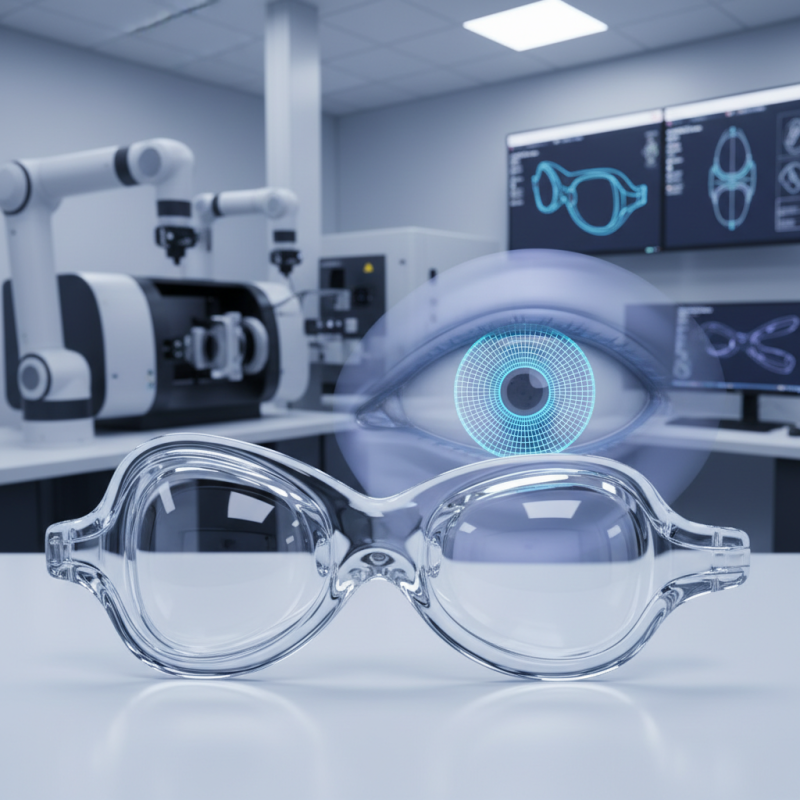
Understanding Free Form Lens Design: An Overview
Free form lens design represents a revolutionary approach in optical manufacturing that allows for intricately designed lenses tailored to
specific visual requirements. Unlike traditional lens design, which often relies on standardized shapes,
free form technology utilizes sophisticated software to create lenses that can accommodate unique prescriptions and personal preferences.
This process involves the manipulation of various parameters, including curvature, thickness, and material,
resulting in lenses that optimize visual performance across different viewing conditions.
One of the key benefits of free form lens design is its ability to enhance visual clarity and reduce visual distortions. By allowing for precise customization,
these lenses can provide a wider field of view and minimize aberrations that are commonly associated with conventional lenses.
Additionally, free form lenses can be adapted for various lifestyles and activities, catering to the needs of users whether they are engaging in sports,
digital work, or general daily activities. The ability to personalize lenses in such a meticulous manner translates into improved comfort
and satisfaction for the wearer.
The Principles Behind Free Form Lens Design
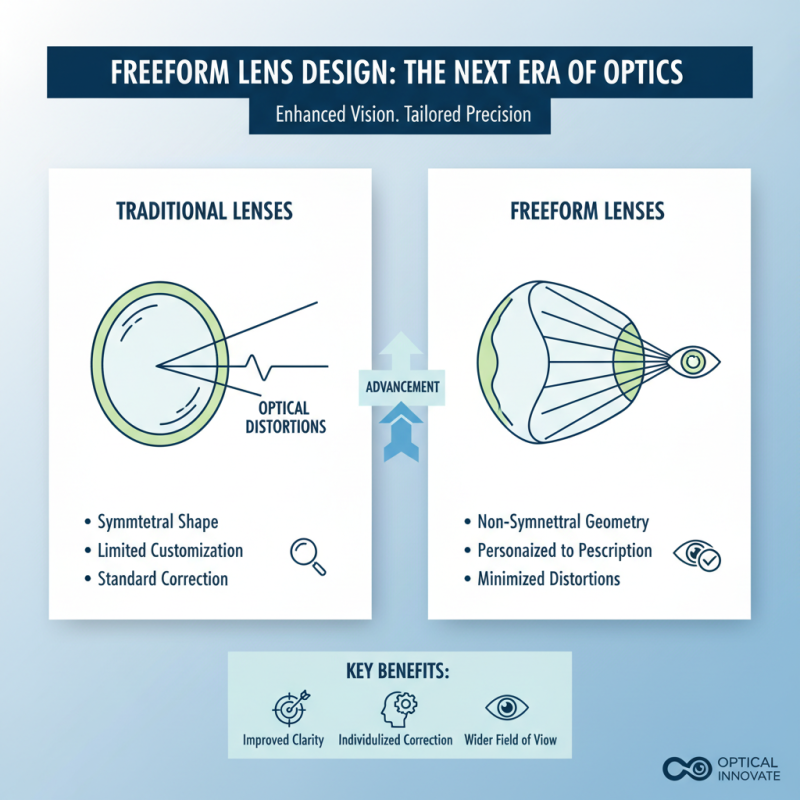
Free form lens design represents a significant advancement in optical engineering, allowing for enhanced customization of lens geometries. The core principle of free form design lies in its ability to manipulate lens surfaces in a non-rotational symmetric way, accommodating a broader range of visual needs. Unlike traditional lenses that are constrained by symmetrical parameters, free form lenses can be crafted with intricate shapes that address specific vision corrections tailored to an individual's prescription. This level of precision can minimize optical distortions and improve the overall visual experience.
Another fundamental aspect of free form lens design is the use of sophisticated computational techniques. Designers leverage advanced algorithms and modeling software to optimize lens performance across various conditions. This not only helps in achieving the desired optical qualities but also streamlines the production process, allowing for quicker turnaround times without compromising quality. The integration of these technologies ensures that free form lenses provide superior clarity and comfort, making them a preferred choice for various applications in eyeglasses and other optical instruments. As the industry continues to evolve, the principles behind free form lens design are set to redefine the standards of optical solutions, enhancing not just visual acuity but also the quality of life for users.
Key Advantages of Free Form Lens Technology
Free form lens technology represents a significant advancement in optical design, offering various key advantages that enhance visual experiences. One of the primary benefits is the ability to create highly personalized lens shapes that cater specifically to an individual's vision needs. Unlike traditional lens manufacturing, which relies on standardized designs, free form lenses can be tailored to accommodate unique prescription parameters and lifestyle requirements. This customization leads to improved image quality and comfort, making activities such as reading or driving clearer and more enjoyable.
Another essential advantage of free form lens technology is its ability to minimize distortions and aberrations. Traditional lenses often involve compromises in quality due to their rigid designs; however, free form lenses leverage sophisticated algorithms and cutting-edge manufacturing methods to optimize every zone on the lens surface. This precision ensures that wearers benefit from wider fields of view and clearer peripheral vision, significantly enhancing overall visual performance. As a result, individuals can experience reduced eye strain and fatigue, promoting better eye health and a more immersive way of seeing the world.
What is Free Form Lens Design? Key Insights and Benefits Explained - Key Advantages of Free Form Lens Technology
| Dimension |
Description |
Benefit |
| Customization |
Ability to create lenses tailored to individual user prescriptions and requirements. |
Enhanced visual clarity and comfort based on personal needs. |
| Precision |
Advanced computer algorithms allow for precise shaping of the lens surface. |
Reduction of optical distortions and improved optical performance. |
| Aesthetics |
Design flexibility enables thinner and lighter lenses compared to traditional lenses. |
More appealing and comfortable eyewear options for users. |
| Multiple Applications |
Suitable for various types of eyewear, including prescription glasses, safety glasses, and sports eyewear. |
Versatile lens options catering to a wide range of activities and environments. |
| Reduced Cosine Effects |
Minimized distortion when viewing at different angles through the lenses. |
Improved peripheral vision and overall user experience. |
Applications of Free Form Lenses in Various Industries
Free form lens design has revolutionized the way optical components are crafted, allowing for highly customized lenses that cater to a variety of applications across multiple industries. These lenses do not conform to traditional shapes, enabling designers to optimize their performance based on specific requirements, such as focal length, distortion control, and light distribution.
One prominent application of free form lenses is in the automotive industry, where they enhance the performance of advanced driver-assistance systems (ADAS) and improve the visibility of displays. Additionally, in the medical field, free form lenses are crucial in developing high-precision optical instruments used in surgeries and diagnostics, ensuring superior clarity and accuracy. The ability to design lenses tailored to specific medical needs can significantly impact patient outcomes and enhance procedural effectiveness.
**Tips:** When considering free form lenses for your projects, assess your specific requirements carefully, including the desired optical characteristics and manufacturing capabilities. Collaborating with experienced lens designers can also help you maximize the advantages of free form technology, ensuring your lenses deliver optimal performance in your chosen application.
Applications of Free Form Lenses in Various Industries
Future Trends in Free Form Lens Design and Development
As we look to the future of free form lens design, several trends are emerging that promise to revolutionize the optical industry. Industry reports indicate that the global freeform optics market is projected to grow significantly, reaching approximately $12 billion by 2025, driven by advancements in design technologies and increased demand across various sectors such as consumer electronics and medical devices. This growth signifies a shift towards more customized optical solutions, catering to the specific needs of consumers and professionals alike.
One of the most notable trends is the integration of artificial intelligence and machine learning into the lens design process. These technologies enable designers to optimize lens performance rapidly, reducing the time from conception to production. Furthermore, advancements in additive manufacturing techniques are allowing for the creation of complex geometries that were previously unattainable, leading to improved light management and overall optical quality. As a result, the lenses can be tailored not just for vision correction but also for enhancing visual experiences across applications.
Tips: When considering your next lens design project, focus on how emerging technologies can enhance customization. Stay informed about the latest software developments that enable better simulations and adjustments. Also, consider collaborating with engineers specialized in additive manufacturing for innovative design possibilities that align with consumer expectations. The future of lens design is all about personalization and adaptability, aligning with the dynamic needs of the market.