How to Choose the Best Freeform Multifocal Lenses for Clear Vision
Choosing the right lenses is crucial for ensuring optimal vision, especially for those who require multifocal solutions. Freeform multifocal lenses have emerged as a popular choice among wearers seeking clarity at various distances without the hassle of switching glasses. These lenses are customized using advanced technology to accommodate individual visual needs and preferences, making them an excellent investment for enhanced comfort and visual performance.
When deliberating over the best freeform multifocal lenses, it’s essential to consider several factors, including your lifestyle, prescription requirements, and personal preferences. The design of freeform lenses allows for a more precise distribution of power across the lens surface, which can lead to less distortion and improved peripheral vision. Understanding how these benefits align with your visual habits is vital in making an informed choice.
In this guide, we will explore the key aspects to consider when selecting freeform multifocal lenses, emphasizing the importance of consulting with an eye care professional to tailor the perfect pair for your needs. By evaluating factors such as lens design, coatings, and fitting options, you can enhance your overall visual experience and enjoy the freedom of clear vision in all aspects of your life.

Understanding Freeform Multifocal Lenses and Their Benefits
Freeform multifocal lenses represent a significant advancement in optical technology, allowing wearers to enjoy clear vision at multiple distances seamlessly. Unlike traditional multifocal lenses, which often feature visible lines and limited customization, freeform lenses are crafted using advanced digital manufacturing techniques. This means they can be tailored to the individual’s specific prescription and lifestyle needs, resulting in improved visual comfort and clarity.
When choosing the best freeform multifocal lenses, consider factors such as your daily activities and your eye care professional’s recommendations. It’s essential to assess how much time you spend on digital devices, reading, or engaging in outdoor activities since these factors will influence the lens design. Additionally, look for lenses that offer features like anti-reflective coatings to reduce glare and enhance visual acuity, making them suitable for various lighting conditions.
**Tips:** Always consult with your eye care provider to determine the best lens options that suit your vision needs. Try to test different lens designs during your fitting process to see which works best for your visual preferences. Lastly, remember to discuss any special requirements you may have, such as occupational needs or hobbies, to ensure optimal performance of your lenses.
How to Choose the Best Freeform Multifocal Lenses for Clear Vision - Understanding Freeform Multifocal Lenses and Their Benefits
| Feature |
Description |
Benefits |
| Customization |
Lenses are tailored to individual's prescription and visual needs. |
Provides sharper vision and improved comfort. |
| Seamless Transition |
Gradual change in lens power for smooth focus shift between distances. |
Eliminates image jump and enhances visual clarity. |
| Thin and Lightweight |
Advanced lens technology allows for thinner lens profile. |
Increased comfort and fashion appeal, reducing bulkiness. |
| Anti-Reflective Coating |
Coating that reduces glare and reflections on the lenses. |
Enhances visual comfort, especially in bright conditions. |
| UV Protection |
Filters harmful UV rays from sunlight. |
Helps in protecting eyes from potential damage and discomfort. |
| Enhanced Peripheral Vision |
Design accommodates a wider field of view. |
Improves overall visual performance during daily activities. |
Key Factors to Consider When Choosing Multifocal Lenses
When choosing the best freeform multifocal lenses for clear vision, several key factors should be considered. Firstly, the specific visual needs of the wearer play a crucial role. It’s essential to assess whether the lenses are primarily for reading, computer work, or distance vision. Understanding individual lifestyle habits can help in selecting lenses that offer the right design and features to accommodate those needs effectively.
Another important factor is the lens material and construction. Freeform technology allows for a customized surface design that can enhance visual performance. Opt for lenses that provide a wide field of view and minimize distortion. Additionally, considering the index of refraction is vital; higher indices can produce thinner and lighter lenses, which may increase comfort for the wearer. Lastly, ensure that the lenses have appropriate coatings, such as anti-reflective and scratch-resistant layers, to enhance durability and visual clarity.
Comparing Different Types of Freeform Multifocal Lenses
When it comes to choosing freeform multifocal lenses, it's essential to understand the different types available to make an informed decision.
Freeform technology allows for personalized lens crafting, capable of addressing various vision needs through advanced digital surfacing methods.
The most common types include variable corridor lenses, which offer a smoother transition between different focal points, and progressive lenses, known for their seamless progression from distance to near vision.
Each type caters to different lifestyles and visual habits, making it important to consider individual demands.
Another significant category is the personalized freeform lenses, which take into account specific measurements of the eye, ensuring optimal alignment and comfort.
This customization can lead to sharper vision and reduced distortions. Additionally, there are specialized designs for specific activities, such as digital lens options that reduce eye strain from prolonged screen use.
Understanding these differences will help individuals select lenses that best suit their everyday activities, providing clear vision without compromise.
Evaluating Lens Materials and Coatings for Optimal Clarity
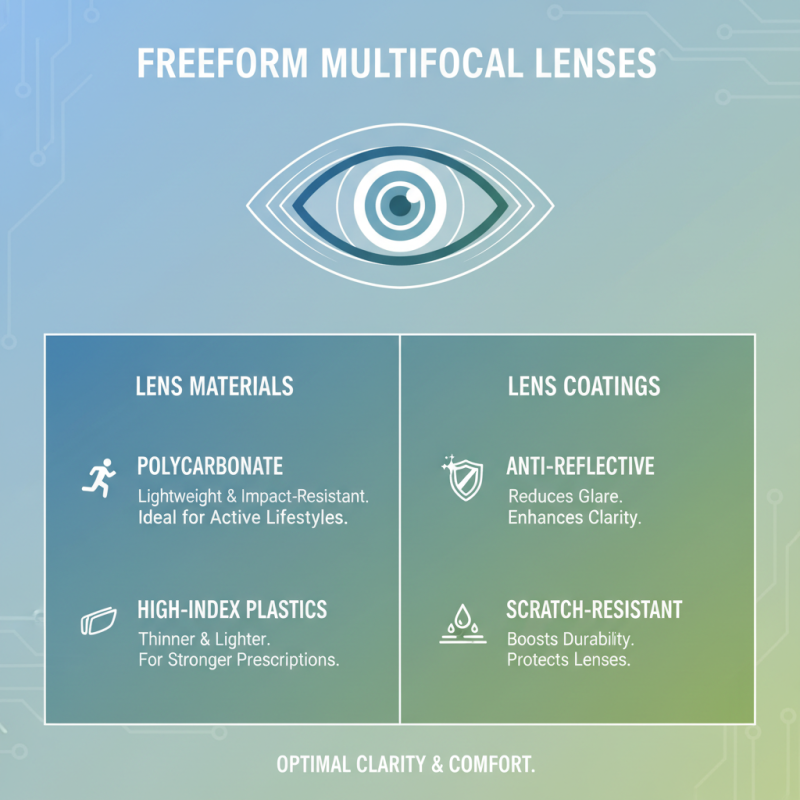
When selecting freeform multifocal lenses, evaluating the lens materials and coatings is crucial for achieving optimal clarity. The material of the lens plays a significant role in its weight, thickness, and durability. Polycarbonate lenses, for example, are lightweight and impact-resistant, making them an excellent choice for those with active lifestyles. High-index plastics are another option, offering thinner and lighter lenses for stronger prescriptions, which can greatly enhance comfort and aesthetics.
Coatings applied to the lenses also significantly impact visual clarity. Anti-reflective coatings reduce glare from screens and bright lights, enhancing overall vision quality. Additionally, scratch-resistant coatings prolong the life of the lenses, making them more durable in daily use. UV protection is another critical feature, as it safeguards the eyes from harmful ultraviolet rays while ensuring clearer vision outdoors.
Tips: When choosing lenses, consider your lifestyle needs. For those who spend considerable time outdoors, lenses with UV protection and anti-reflective coatings are highly beneficial. If you often engage in vigorous activities, opt for durable materials such as polycarbonate. Always consult with an eye care professional to find the best combinations of materials and coatings that fit your vision requirements.
Consulting with an Eye Care Professional for Personalized Advice
When considering the best freeform multifocal lenses for clear vision, consulting with an eye care professional is crucial. Their expertise allows for a personalized assessment of your specific needs, which can significantly enhance your visual comfort and clarity.
According to a report by the American Optometric Association, nearly 75% of adults require some form of vision correction, underscoring the importance of tailored solutions in eye care. An eye care professional can evaluate your visual demands, lifestyle, and any underlying conditions, ensuring that the selected lenses meet your expectations.
Furthermore, the complexities of presbyopia can vary greatly among individuals, necessitating a customized approach. A study published in the Journal of the American Academy of Ophthalmology highlighted that patients who received personalized lens consultations reported a 30% increase in visual satisfaction compared to those who did not. This data emphasizes the value of professional guidance, as it not only aids in selecting the most suitable freeform multifocal lenses but also helps in understanding the adaptation period and proper care required for them.
Engaging with an eye care professional therefore serves not just to refine your lens choice, but also to enhance your overall visual health.